Voyager Suite
 Breeze
 Virtuoso
 Investment Suite
 RentCafe
 CommercialCafe Suite
 Elevate Suite
 Procure to Pay Suite
  Energy Suite
 Aspire
 RightSource
 Care Suite
 Matrix
 WorkCafe
 Yardi Kube Suite
 ScreeningWorks Pro
  Yardi Corom




















Most commercial real estate (CRE) problems start small. Maybe no one notices right away, but the problems compound quickly. Those problems move through the business, from marketing to leasing to operations to accounting. It’s not just about accurate square footage and rent amounts, but timing, terms, service responsibilities, options, renewals, amendments, etc. If all of these elements stay consistent, everything you do will feel smooth. If they don’t, it’s time for some cleanup.
What inefficient problem-solving looks like
Most companies try to solve this one piece at a time. For example, marketing upgrades its CRM, leasing adopts new documentation tools and finance adopts new forecasting software. Each team improves its own corner of the workflow.
Upgrades are great, but there’s a catch. Systems don’t always share the same foundation. So, the details still have to be checked as they move from one stage to the next.
Over time, that creates friction in small but noticeable ways. Billing takes longer because numbers need verification. Reports require extra review before they can be trusted. Meetings start with “let’s make sure we’re all looking at the same data.”
Where should your team’s energy go?
As portfolios grow, the number of changes grows with them. Every change introduces something new (e.g., dates, rates, square footage, responsibilities). If those updates don’t flow automatically everywhere they need to go, someone has to move them manually.
All this manual effort slows people down and leaves room for error. In larger portfolios, this also becomes a compliance issue. Inconsistent records make audits harder. Investor reporting takes more effort. Controls become more complicated than they need to be.
You can’t truly eliminate complexity. After all, complexity is the name of the game in commercial real estate. (Leases are detailed for a reason.)
What you can do is stop re-handling the same information over and over. The complexity will always be there, but your teams won’t feel like it’s weighing them down.
What’s the end game with connected CRE?
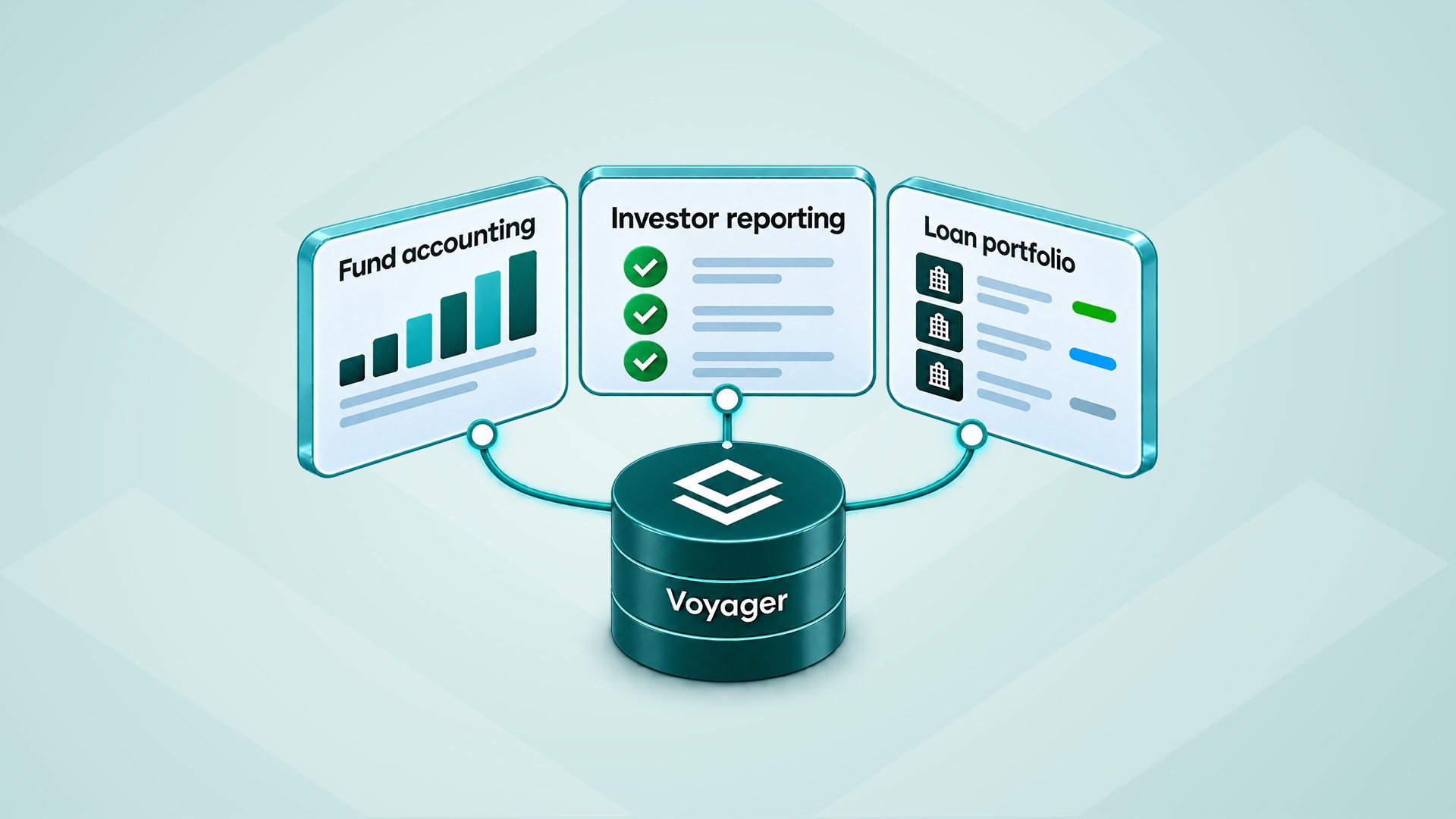
When systems are connected properly, a change made during negotiation shows up in the lease automatically. This way, when a lease is finalized, your operations team sees the correct data in real time. When occupancy shifts, financial reporting reflects it without extra steps.
That changes how the business feels. Teams spend more time making decisions and less time confirming numbers.
Implementing a fully connected CRE solution may not have the same satisfying rush as launching a new development or closing a major deal. But it will have a lasting impact over time.
We all know that commercial real estate already has enough moving parts. Connected CRE solutions organize your daily complexity in a way that’s crystal clear and highly actionable. When the little details stay aligned from start to finish, the business runs the way it’s supposed to. That’s when you can focus on growth instead of cleanup.
The bottom line
When the CRE lifecycle operates as a connected whole rather than a series of disconnected steps, organizations gain:
- Clearer visibility across assets and portfolios
- Faster, more confident decision-making
- Reduced operational friction and risk
- A stronger foundation for growth and innovation
Check out this video interview of a real client who explains how Yardi Voyager brought them out of “the dark ages” and into the 21st century.