


 Voyager Suite
 Breeze
 Virtuoso
 Investment Suite
 RentCafe Suite
 REACH by RentCafe
 CommercialCafe Suite
 Elevate Suite
 Procure to Pay Suite
  Energy Suite
 Aspire
 RightSource
 Care Suite
 Matrix
 Yardi Kube Suite
 ScreeningWorks Pro
  Yardi Corom

















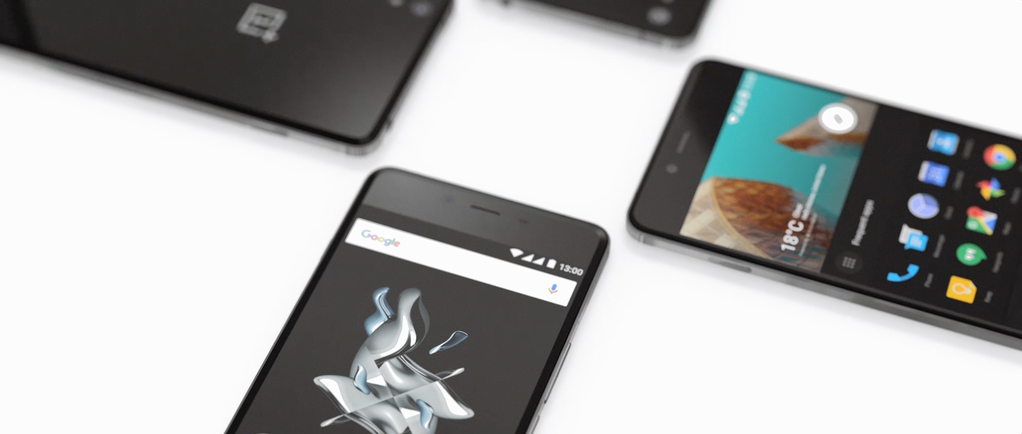
China’s OnePlus has been enjoying the spotlight since the OnePlus One smartphone debuted more than a year ago. The handset surprised and impressed with its hard-to-refuse price point: a top-end phone is rarely under $300. A year later, OnePlus did it again with its follow-up OnePlus 2, improving the technology, but keeping the price relatively low.
Now comes version No. 3. OnePlus X is a completely different species—it’s OnePlus’ first truly mid-range smartphone that feels like it should be $500, but costs only $249.
“The X line will always be the line where we can experiment a bit more.”
The X line trades a bit of power, battery life and even screen size for a design that feels comfortable and looks premium.
OnePlus X will be available in two versions: Onyx and Ceramic. The latter is the premium model of the two, made using a laborious crafting process that takes 25 days. It all begins with a zirconia mold fire-baked up to 1,482oC for more than 28 hours. The next two days it is left to cool and then sent through a rigorous polishing process. OnePlus is making only 10,000 of them starting at about $414, and only for European customers.
The device resembles the famous boxy design of the iPhone 4 with some modern traits. At 0.27 inches it’s the thinnest OnePlus handset so far and the 5-inch display sits comfortably in the palm of the hand. The device has micro cuts in the metal frame that runs around its circumference, adding to the grip.
This time, OnePlus uses a 5-inch AMOLED display with 1080 x 1920 resolution with 441ppi, instead of an LCD one. On paper, this suggests that the device will display deeper blacks and more vibrant colors. A bit of a recap will help here: AMOLED panels generate colors by electrically charging each individual pixel—they can create blacks simply by not charging the pixels. Moreover, the deeper blacks make colors pop and improve the overall performance of the screen.
The X packs 3GB of RAM, a 2,525mAh battery, a 13MP back-facing camera with an f/2.2, no 4K video recording, and no optical image stabilization, and a 7.6MP front-facing camera. The storage space could have been a problem, considering the 16GB of on-board storage, but it’s backed up with microSD support up to 128GB. You’ll have to use the second SIM slot for the microSD card.
The Qualcomm Snapdragon 801 chip is the least impressive. It would have been acceptable a year ago, but these days not so much. Still, even though this processor model is not as power-efficient as some of Qualcomm’s newer mid-range processors (take the Snapdragon 617 for instance), it doesn’t pose significant performance issues, mostly thanks to the 3GB of DDR3 RAM. The X also lacks a fingerprint sensor (and a home button) and NFC.