


 Voyager Suite
 Breeze
 Virtuoso
 Investment Suite
 RentCafe
 CommercialCafe Suite
 Elevate Suite
 Procure to Pay Suite
  Energy Suite
 Aspire
 RightSource
 Care Suite
 Matrix
 WorkCafe
 Yardi Kube Suite
 ScreeningWorks Pro
  Yardi Corom



















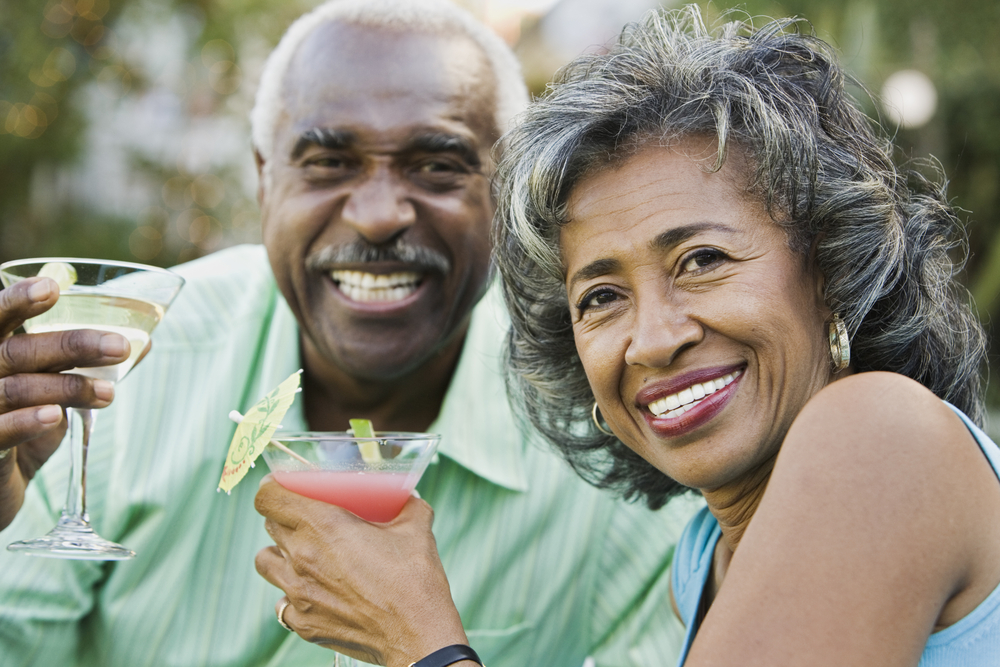
As Jimmy Buffet and Alan Jackson famously reminded us, it’s five o’clock somewhere! Many senior living communities are hosting cocktail parties and happy ho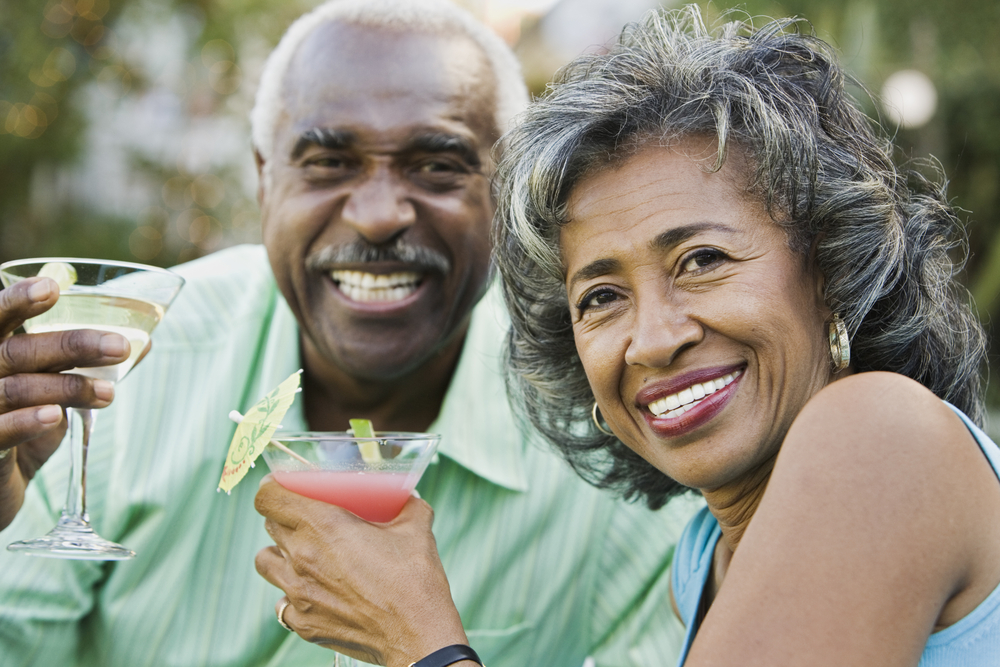 urs to encourage conversation and bring a sense of community and connection to their residents.
In the US, approximately 70% of assisted living residents drink alcohol regularly, with most imbibing at least once per day, and those numbers are on the rise. With so many older adults accustomed to rounding out the evening with a nightcap or enjoying friendly conversation over a pint, cocktails are on the menu at several senior living facilities. Not only do these on-site happy hours encourage a sense of community, but they also help make residents feel at home. Running the gamut from wine-pairings to Oktoberfest blowouts, these spirit-forward gatherings provide residents with the chance to mingle.
“We want the residents to continue to enjoy what they’ve enjoyed in the past,” Judi Donovan, Executive Director of GreenFields told the Chicago Tribune. “This often times includes wine, beer and or cocktails. Residents are invited to enjoy alcohol within their apartments and at meals, cocktail parties and happy hours.”
“Our cocktail parties and happy hours are wonderful ice-breakers giving people a time to chat with old friends and meet new ones,” Donovan continues. “It’s about encouraging fellowship. We have a very friendly community. Social hours sometimes give people who might not otherwise interact with each other, a chance to do so and make new friends.”
The Brew Crew
While famous concoctions like martinis and Manhattans still rule the roost, beer and wine are making inroads within the senior demographic. In Bend, OR, for example, members of the Aspen Ridge Retirement Community’s “Brew Crew” concoct 13 different types of beer, including popular favorites like Machine Maggie Imperial IPA and their award winning Angels Breath Stella’s Bock. Lucky visitors even head home with a complimentary six pack.
Recently, the Brew Crew even prepared 300 gallons of beer to benefit Alzheimer’s research.
“This is Bend’s version of a bake sale,” says local brewery owner James Watts. “It’s about embracing the cause (and) the charity and giving them a novel platform to raise some funds.”
Happier Hours
Meanwhile in England, Cocktails in Care Homes dispatches volunteers to nine different senior living facilities throughout the country for cocktails and conversation. What began as a simple pilot project in 2011 has now morphed into a well-respected organization responsible for 91 parties serving 370 residents over 3500 beverages. But the organization’s primary function involves helping residents maintain social relationships.
“What we attempt to do is address this problem of isolation that care home residents face,” says Clea House, Development and Volunteer Manager for Magic Me, the organization behind Cocktails in Care Homes. “It’s all about the conversation. Generating a conducive and fun atmosphere for that to happen.”
For Cocktails in Care Homes participants, the events help create a sense of connection and continuity while also allowing them to retain a sense of their own identity.
“Age and illness, that’s why they’re here, but that doesn’t stop them from being who they are,” says Marcia Forsythe, Care Home Manager for Silk Court, a participating community. “It really does a lot for their wellbeing.”
“I love the parties because it brings everybody together….it’s lovely,” says Silk Court Resident Jean. “Because you’re on your own quite a lot, so when you get a bit of company you realize it’s not so bad.”
Drinking Responsibly
While alcohol doesn’t play well with many prescription medications, most senior living providers are keen to keep residents safe and happy by balancing consumption with care. Clinical staff keeps an eye out for any possible hazards, but ultimately the residents remain responsible for monitoring their intake.
“For our residents, happy hour is a social event, not in a drunken context,” Francesco Tardio, director of dining services at The Clare tells Food Management. “It’s a time to get together, share life experiences, look for commonalities—it’s a time for bonding. Their drinking habits are definitely different from younger crowds.”
“The residents are all adults,” Donovan reiterates. “And, no one is getting in a car and driving home, which is the beauty of a retirement community.”