Voyager Suite
 Breeze
 Virtuoso
 Investment Suite
 RentCafe
 CommercialCafe Suite
 Elevate Suite
 Procure to Pay Suite
 Energy Suite
 Aspire
 RightSource
 Care Suite
 Matrix
 WorkCafe
 Yardi Kube Suite
 ScreeningWorks Pro
 Yardi Corom


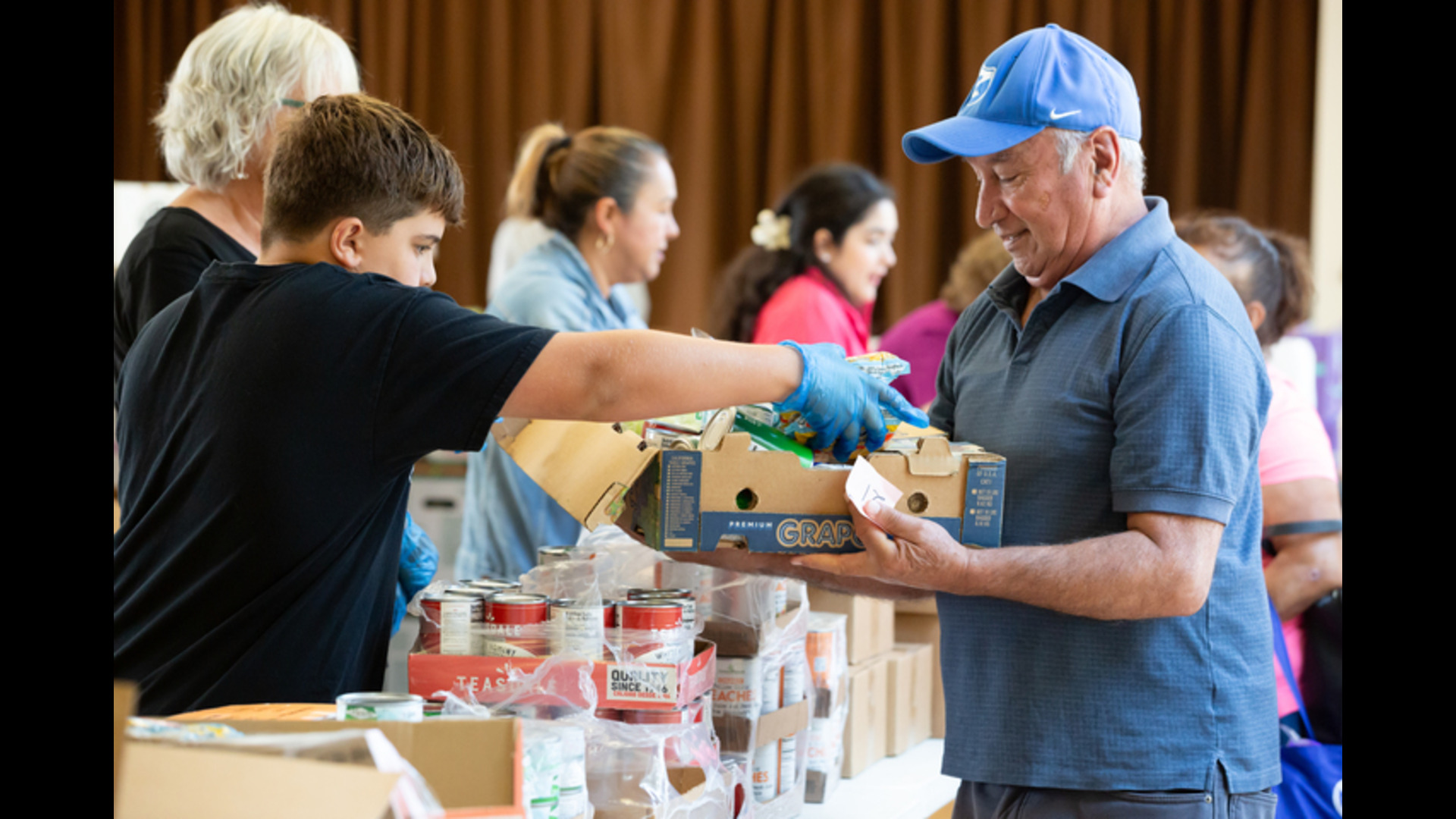
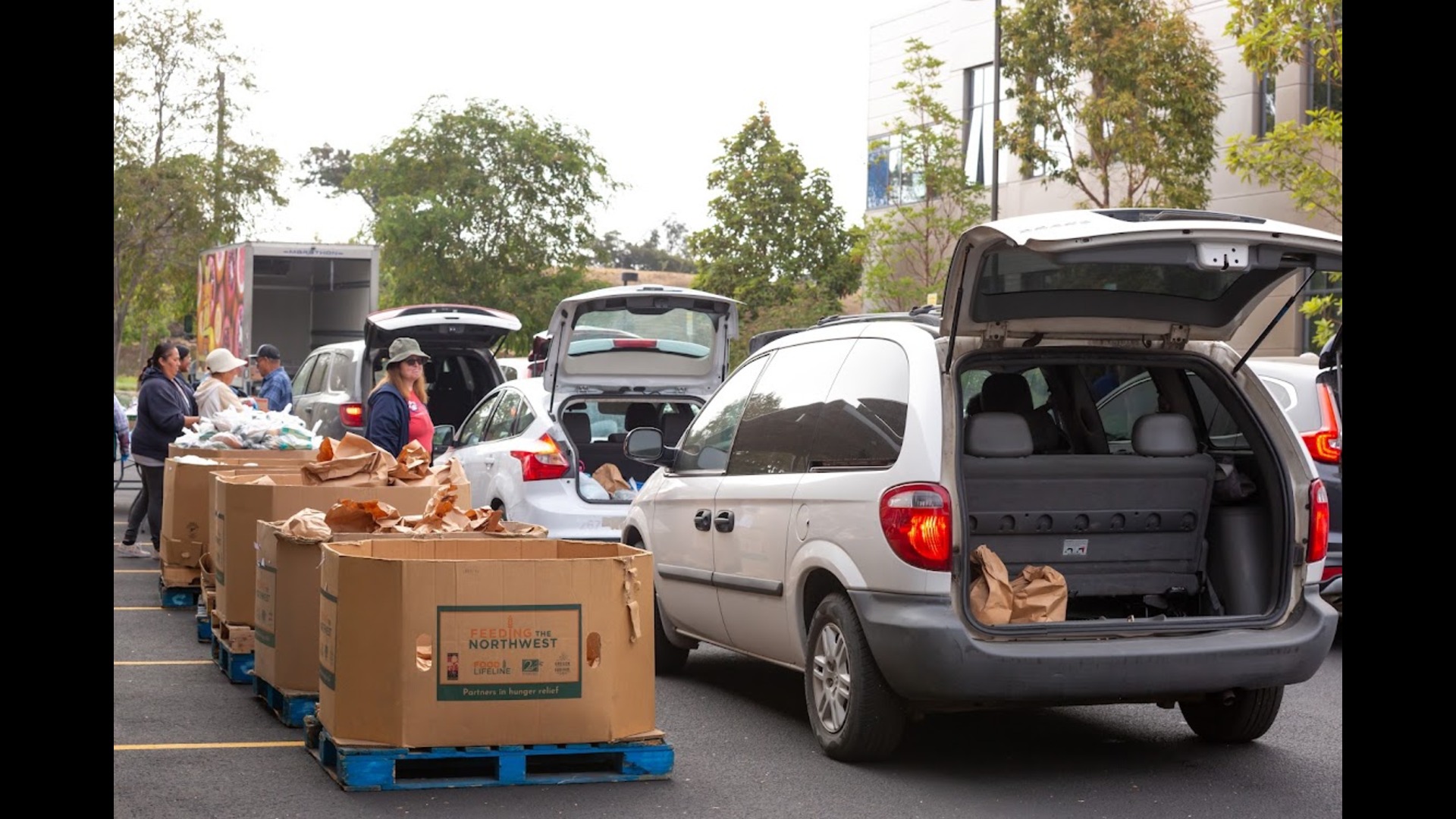
As the cost of living continues to rise, more households across the United States are struggling to consistently access the nutritious food they need. Rising housing, transportation, child care and health care costs, coupled with incomes that have not increased alongside inflation and other systemic barriers, continue to exacerbate food insecurity for millions of Americans and drive hunger relief efforts.
Meeting a growing need
Today, food insecurity affects every county in the U.S. and disproportionately impacts children, seniors, people with disabilities, communities of color, rural residents and single-parent households. At the same time, recent changes to SNAP have contributed to an estimated 5.5 million people losing their food benefits in the last year alone, further increasing the demand for food assistance programs nationwide.
As the need for support grows, food banks are expanding, adapting and strengthening their programs to address the evolving needs of their communities. In Raleigh, North Carolina, where approximately 1 in 6 residents experience food insecurity, the Food Bank of Central & Eastern North Carolina distributes more than 41 million pounds of food annually and provides 9,000 Senior Food Boxes each month.
To help address food access among children and families, the Central Texas Food Bank operates School Pantry programs at schools with high rates of subsidized meal enrollment, while Second Harvest Food Bank of Orange County provides free afterschool and summer meals through its Kid Café program for children under 18.
Creating innovative support mechanisms
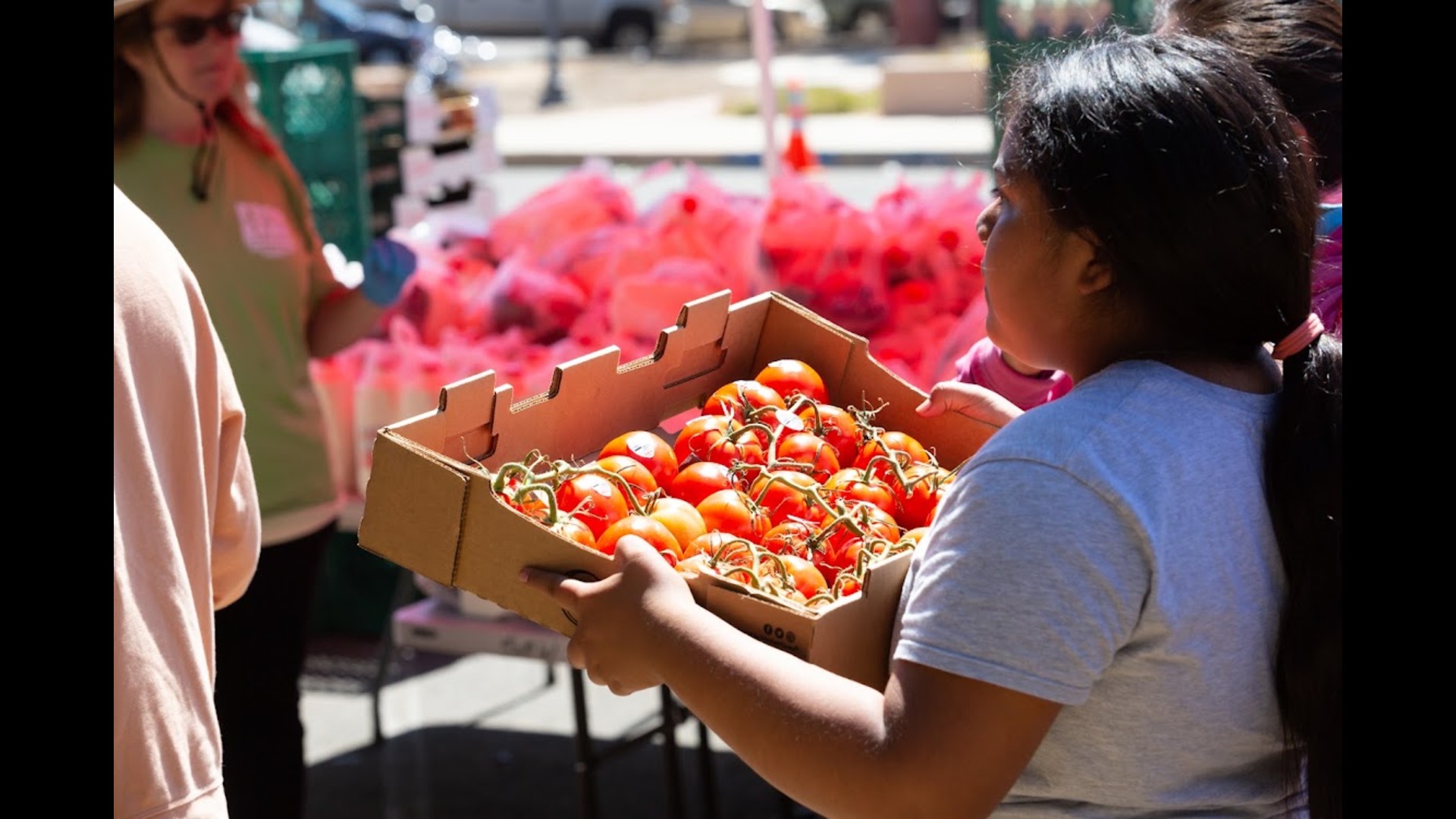
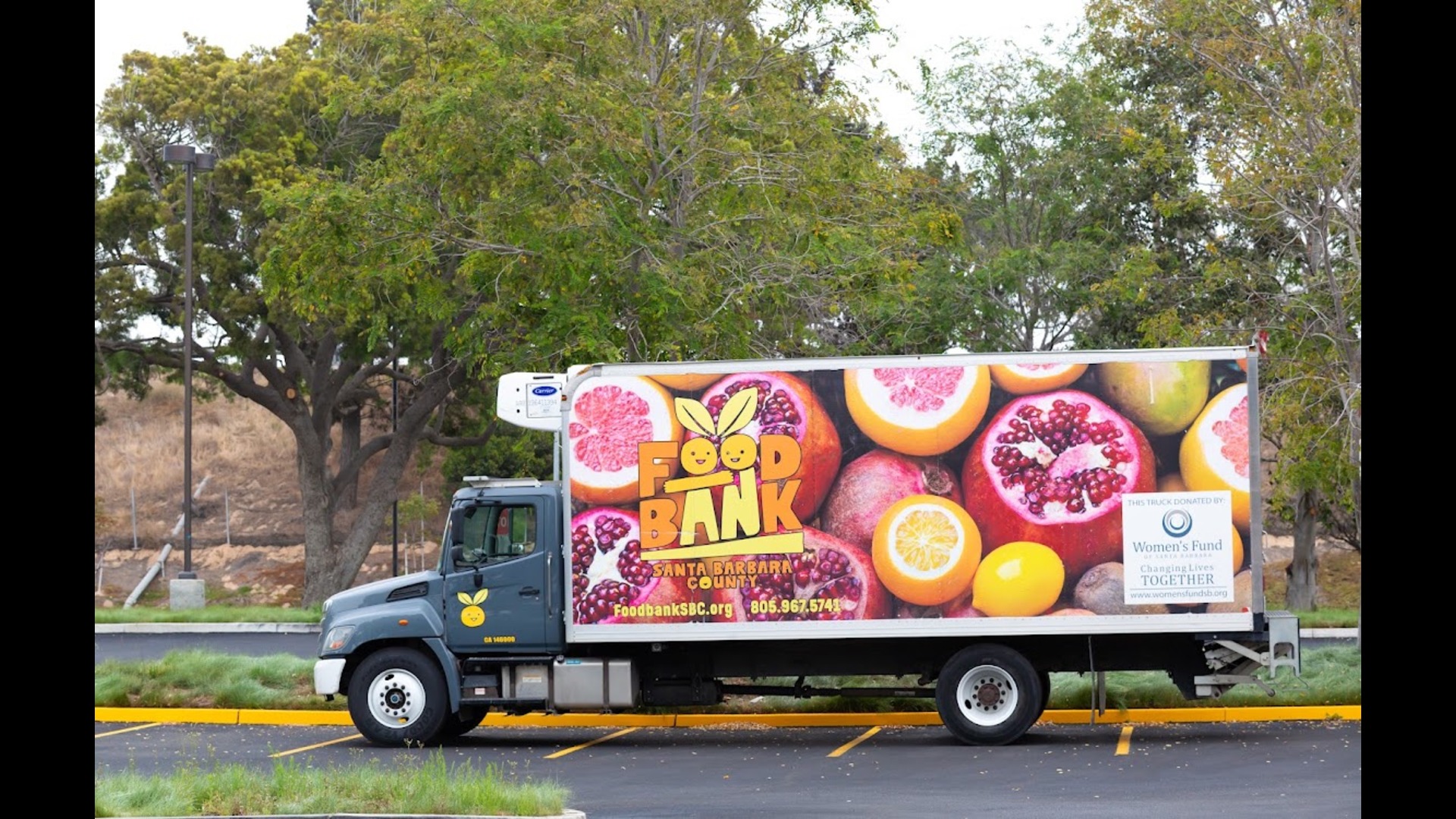
Many food banks are finding innovative ways to increase access to fresh, nutritious food through programs that strengthen local food systems. Along California’s Central Coast, Food Share of Ventura County and the Foodbank of Santa Barbara County utilize gleaning programs that recover excess produce from farms and backyard gardens, then redistribute the produce to individuals and families accessing their services. Meanwhile, the North Texas Food Bank supports long-term food security through its Partner Garden Network, which teaches communities how to grow their own food and use regenerative gardening practices that help sustain and expand local food sources for the years to come.
Food banks are also finding ways to overcome transportation and accessibility barriers that can prevent people from receiving assistance, whether by bringing food directly to residents or working through extensive community networks to expand access.
In Colorado Springs, Colorado, Care and Share Food Bank operates mobile markets and pantries through its “grocery store on wheels” model, while Long Island Cares delivers food to homebound residents, including seniors and individuals with disabilities or medical conditions. In Boston and Atlanta, the Greater Boston Food Bank and Atlanta Community Food Bank each partner with 600-700 community partners to connect residents with food assistance throughout their regions.
Recognizing the growing demands on food banks as they work to serve more people with fewer resources and higher costs, Yardi is honored to provide funding to this handful of partner food banks located in American cities with our largest offices as we head into the holiday season.
To find your nearest Feeding America food bank, please visit their location list.