Voyager Suite
 Breeze
 Virtuoso
 Investment Suite
 RentCafe
 CommercialCafe Suite
 Elevate Suite
 Procure to Pay Suite
  Energy Suite
 Aspire
 RightSource
 Care Suite
 Matrix
 WorkCafe
 Yardi Kube Suite
 ScreeningWorks Pro
  Yardi Corom



















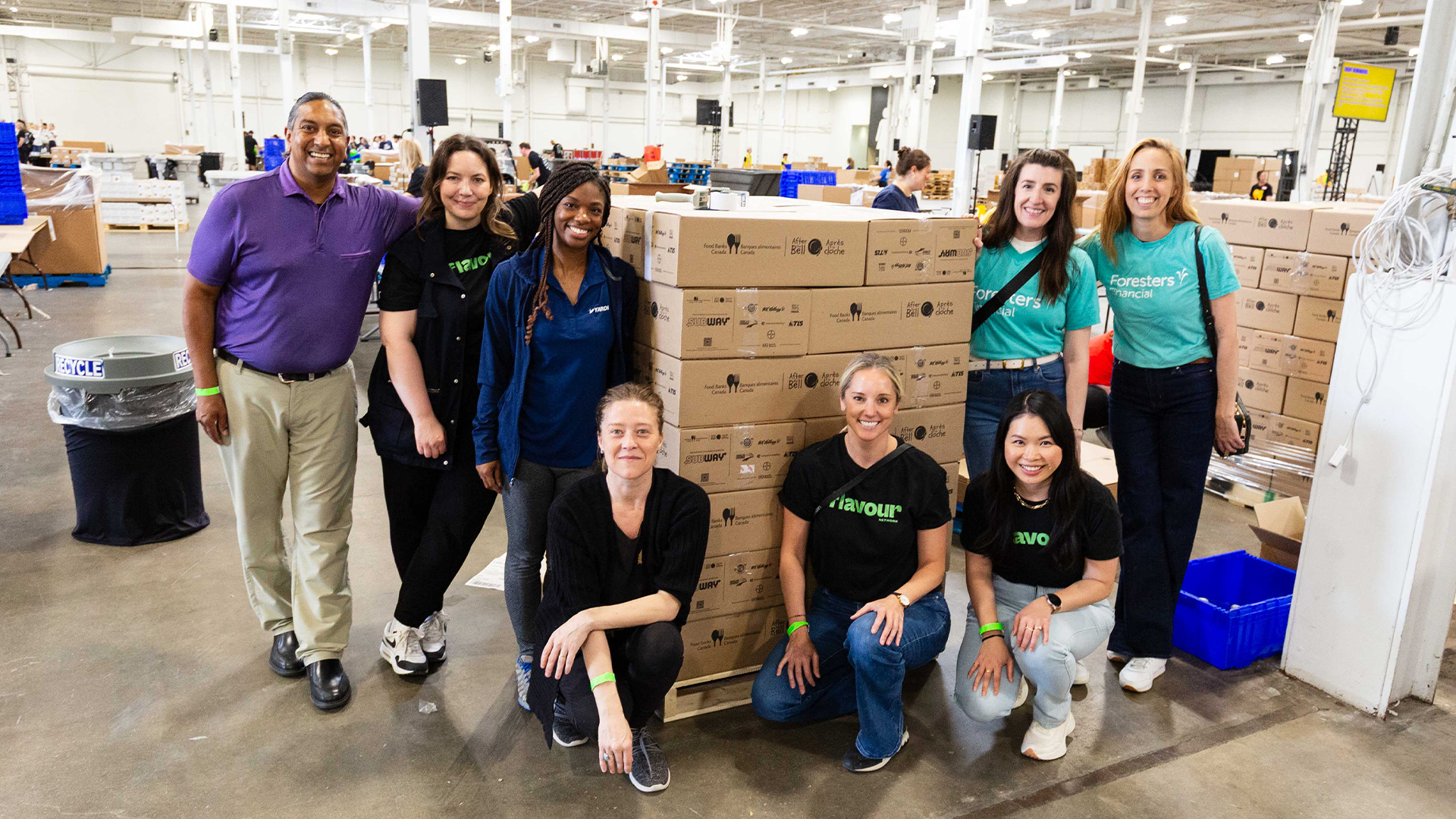
Approximately 25% of people living in Canada are currently experiencing food insecurity. But while the challenge is great, so too is the response.
Much of the energy devoted to preventing and mitigating food insecurity comes from nonprofits across the country that work to ensure access to safe, nutritious food for those in need. The Food Bank of Waterloo Region, for example, distributed 9.6 million pounds of food within its 530-square-mile regional municipality just in the past year.
In response to the growing need across Canada, Yardi reached out to nonprofits to learn about the underlying causes of increased food insecurity and how best to support people across the nation. Ten food banks across the vast country demonstrated collective efforts for using local food to feed their communities and shared innovative practices to support those in need.
Delivering multiple services
Along with maintaining a food bank and breakfast program, Brunswick Street Mission in Halifax offers one-on-one social worker support, laundry services for unhoused individuals and a free tax clinic for those with low annual incomes. The organization also advocates for people experiencing poverty and homelessness across the Halifax Regional Municipality.
Hamilton’s Neighbour to Neighbour Centre also follows a multifaceted approach, supplementing its emergency food bank with educational opportunities, counseling, referrals and other support services. Similarly, Daily Bread Food Bank, recognizing the connection between food insecurity and housing insecurity, is partnering with Habitat for Humanity to build housing in their parking lot.
Yet another organization offering multiple services is the Saskatoon Food Bank & Learning Centre, which offers a variety of social services along with food, such as income tax programming, job training and cooking classes.
Delivering help where it’s needed
Some nonprofits don’t wait for need to come to them – they deliver. One such organization is Brown Bagging for Calgary’s Kids, which works with volunteers, donors, schools and partners to prepare and deliver nutritious lunches to kids every school day, ensuring that no child has to learn on an empty stomach.
Employing a collaborative strategy
Building on the power of collaboration, Moisson Montréal, the largest food bank in Canada, collects food and essential goods year-round and distributes them free of charge to community organizations across the Island of Montreal. It also leverages strong provincial and national partnerships with agri-food suppliers.
Meanwhile, the Greater Vancouver Food Bank focuses on fresh food through partnerships with local farmers to maximize the British Columbia farmer tax credit. Another organization, Food Banks Canada, works to ensure a unified and effective response on a national level, investing in local organizations, coordinating food distribution, conducting research and advocating for policy change.
Sharing a commitment to serve
As illustrated through these examples, addressing food insecurity takes collective effort. In addition to food, it is critical to deliver compassion grounded in care, dignity and community.
Learn more about Yardi’s philanthropic efforts.