Voyager Suite
 Breeze
 Virtuoso
 Investment Suite
 RentCafe
 CommercialCafe Suite
 Elevate Suite
 Procure to Pay Suite
  Energy Suite
 Aspire
 RightSource
 Care Suite
 Matrix
 WorkCafe
 Yardi Kube Suite
 ScreeningWorks Pro
  Yardi Corom


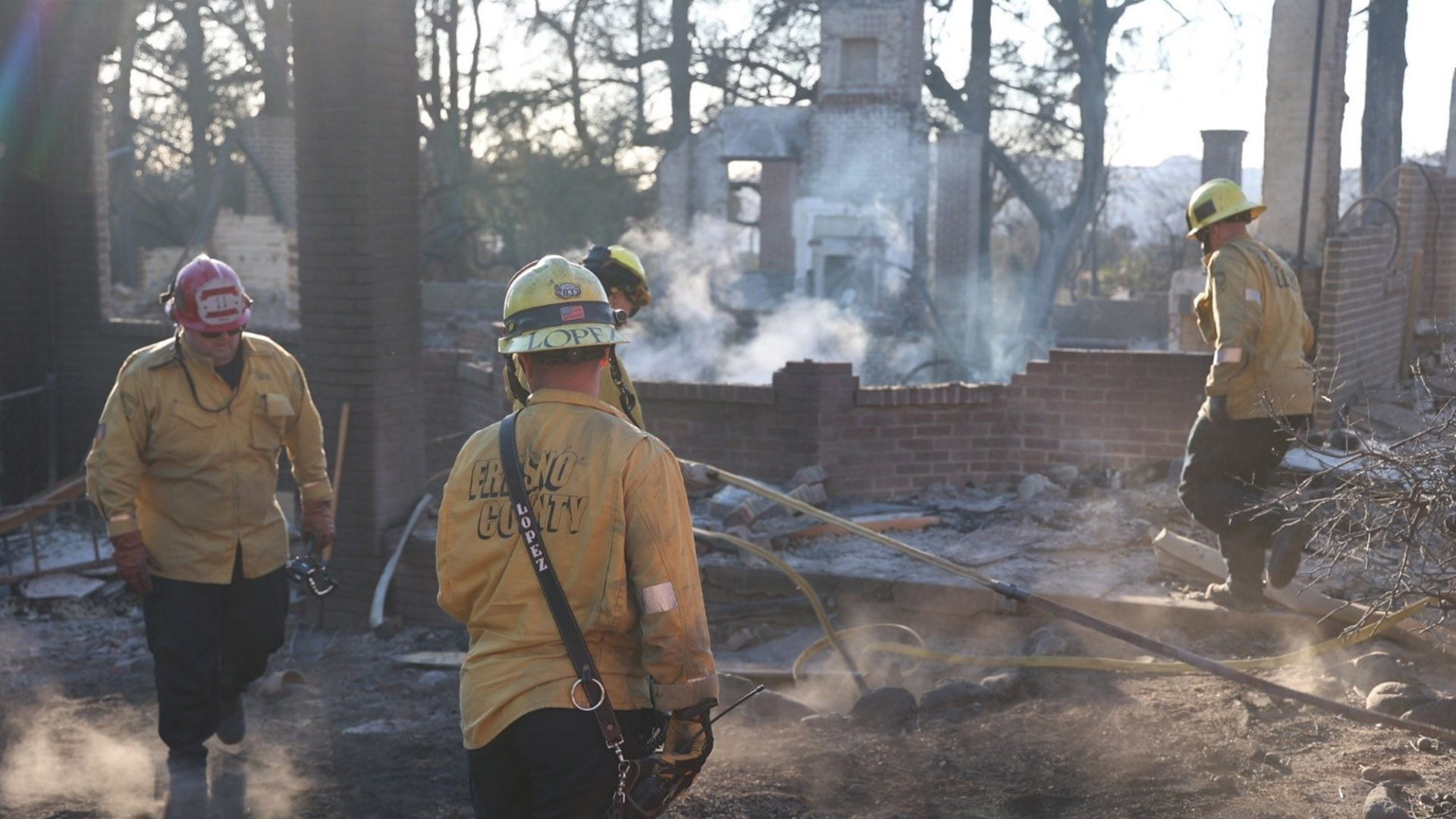
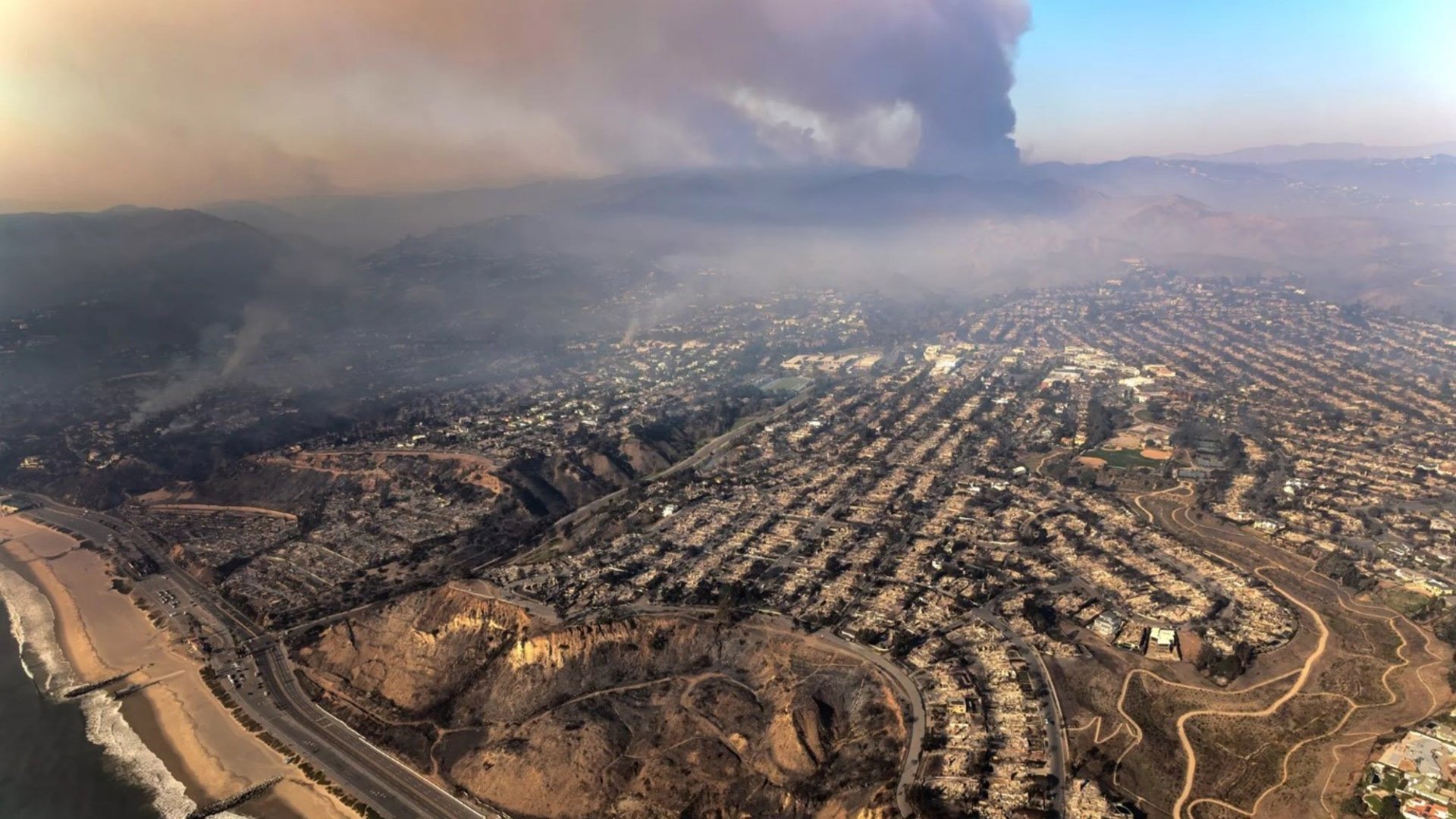
Crucial research into preventing and mitigating extreme wildfire events is happening near Yardi’s company headquarters in Santa Barbara, California, not far from Earth Day, which falls on April 22 this year.
Earth Day’s legacy lives on 56 years after its founding through community, individual, corporate and academic actions around the world. One such example, and a part of Yardi’s environmental giving pillar, is the Wildfire Resilience Initiative (WRI).
WRI, a leading spatial and environmental program sponsored by UC Santa Barbara’s Geography department, focuses on researching local geography and environmental conditions that influence wildfire activity. Using the latest technology, resilience research, satellite data and meteorological information, WRI seeks to understand, prevent and mitigate extreme wildfire events as well as the resulting damage from such events.
Rigorous risk & vulnerability assessments
UCSB faculty, undergraduate and graduate students participating in the Wildfire Resilience Initiative conduct a range of research aimed at developing rigorous wildfire resilience risk and vulnerability assessments.
Key focus areas include:
- Assessment and fire code compliance evaluations, such as fire hydrant placements and access, that impact emergency response
- Warning systems and evacuation, which consist of outdoor sirens and evacuation bottleneck identification
- Plant flammability, which encompasses the role of ignited vegetation in spreading wildfires
- Vegetation condition monitoring with remote soil moisture sensors
- Weather and climate, with a focus on micro-level weather and climate forecasting of both extreme events and prolonged droughts
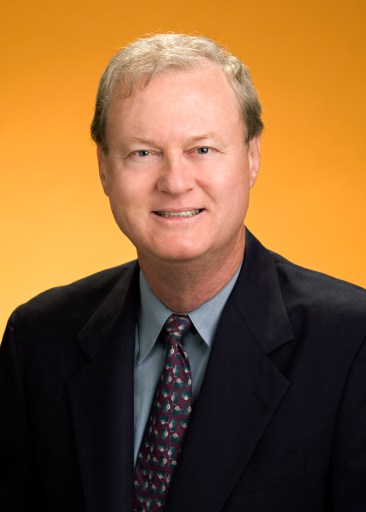
This work becomes increasingly important because, as UCSB Professor Alan Murray, director of the Wildfire Resilience Initiative, notes, “Fires will happen. They’ve happened in the past. They will happen in the future.”
WRI mirrors Earth Day principles
WRI’s dedication to better understanding climate conditions follows a modern tradition established by Earth Day, an annual observance that began in 1970 in response to environmental deterioration, including the 1969 offshore oil spill near Santa Barbara. More than a billion people in more than 190 countries participate in Earth Day.
Earth Day 2026 activities sponsored by nonprofits, governments and businesses include clean-up events, environmental workshops and tree-planting. People can also evaluate opportunities to make eco-conscious lifestyle changes.
Individual actions matter
“Whether it’s making small, conscious choices in daily life or embracing innovative technologies that reduce our environmental footprint, each action counts,” according to earthday.org, a nonprofit formed after the inaugural event and the world’s largest recruiter to the environmental movement.
The theme of Earth Day 2026, “Our Power, Our Planet,” signifies the daily actions of communities, educators, workers and families in protecting homes and workplaces. The theme reflects “a fundamental truth: environmental progress doesn’t depend on any single administration or election.”
Yardi’s environmental support
Along with hosting WRI, UCSB is home to the Yardi Scholars for Environmental Justice, a transformative four-year scholarship program for students from all majors who want to learn the changemaking skills needed to address complex environmental challenges and create lasting environmental solutions.
Learn more about Yardi’s environmental giving initiatives, which include support for WRI and other efforts to protect and preserve natural spaces.
In addition to its philanthropic efforts in the environmental space, Yardi also helps real estate property owners, operators and occupants manage energy costs, consumption, efficiency and sustainability with solutions that benchmark and improve energy performance in thousands of buildings around the world.