Voyager Suite
 Breeze
 Virtuoso
 Investment Suite
 RentCafe
 CommercialCafe Suite
 Elevate Suite
 Procure to Pay Suite
 Energy Suite
 Aspire
 RightSource
 Care Suite
 Matrix
 WorkCafe
 Yardi Kube Suite
 ScreeningWorks Pro
 Yardi Corom


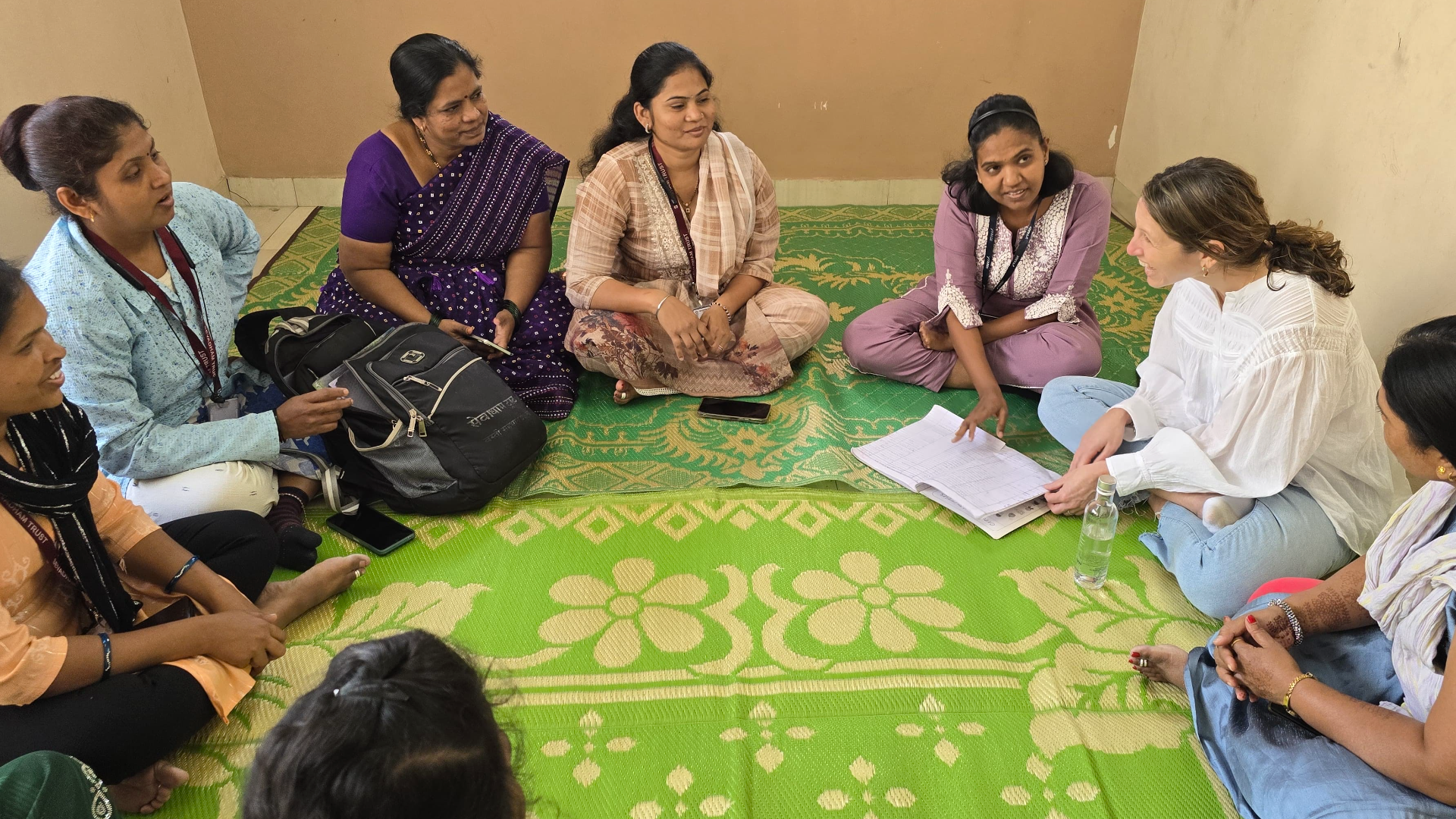
Pune, India, is home to Yardi’s largest office, with approximately 3,000 employees, including 60 in its Corporate Social Responsibility (CSR) team who developed the Pune Social Work program. More than 7 million people live in Pune, and approximately 40% of those residents live in the vastis, densely populated areas of unincorporated housing where many face barriers to basic resources and services.
Living conditions vary across the vastis, but most homes lack access to plumbing and running water, waste collection and other public infrastructure. Together, these challenges intersect with and compound barriers to accessing education, healthcare and employment opportunities.
For Yardi’s CSR team in Pune, understanding these interconnected needs has shaped an equally interconnected approach to community support. Working alongside residents and in partnership with selected nonprofits, Yardi’s CSR team developed the Pune Social Work program, an initiative organized around six complementary focus areas: sanitation, health, education, vocational training, youth development and community mobilization.
The work is captured in seven short films, one dedicated to each area as well as an overview trailer. Highlights of the work follow.
Sanitation: Where Pune Social Work began
The sanitation program was the starting point for Pune Social Work and remains a critical component of the program today. With limited plumbing, running water and waste collection in many areas, the CSR team works alongside residents to improve sanitation practices and support a cleaner, more sustainable community. Composting is one part of this effort, with 1,500 households diverting 500 kilograms of organic waste each day that might otherwise end up in streets and public spaces.
Health: Supporting healthy bodies & minds
Access to healthcare and nutritious food can be challenging for residents in the vastis, particularly when transportation and fresh food options are limited.
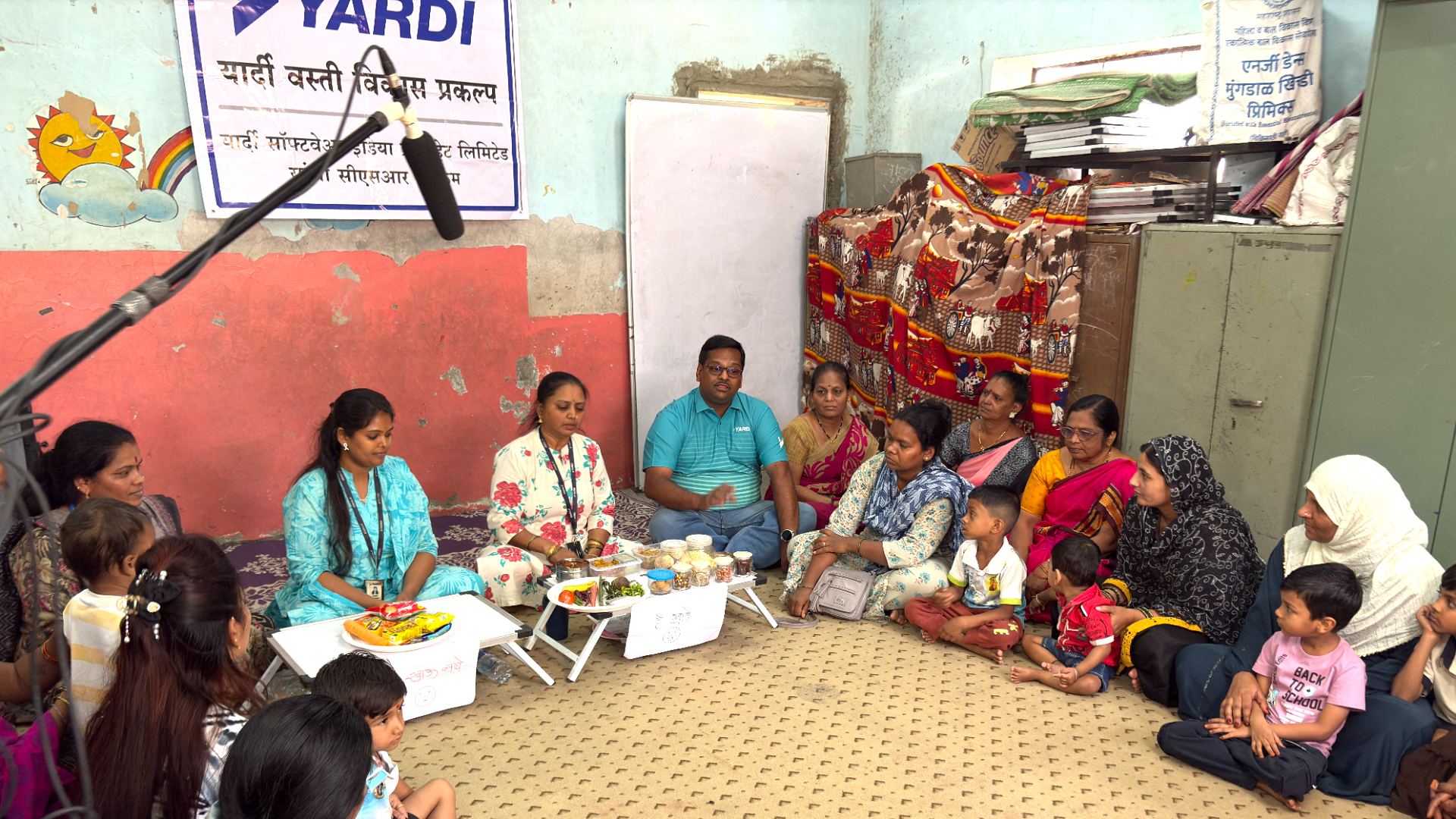
The health program works to bridge these gaps through education, providing parents and children with practical knowledge around nutrition, healthy development and guidance about how to prepare nutritious food to support physical and cognitive health. With malnutrition and anemia prevalent among children and adolescents in the vastis, early education gives young people practical knowledge they can carry forward to support their health and well-being.
Mental health support is also a key part of the program. Helping young people understand how to care for their own mental well-being during formative years provides them with the tools they need to support their own continued growth. When concerns arise, the CSR team can also step in to provide support and help those struggling to access additional care that may otherwise be difficult to reach.
Education: Helping children access opportunity
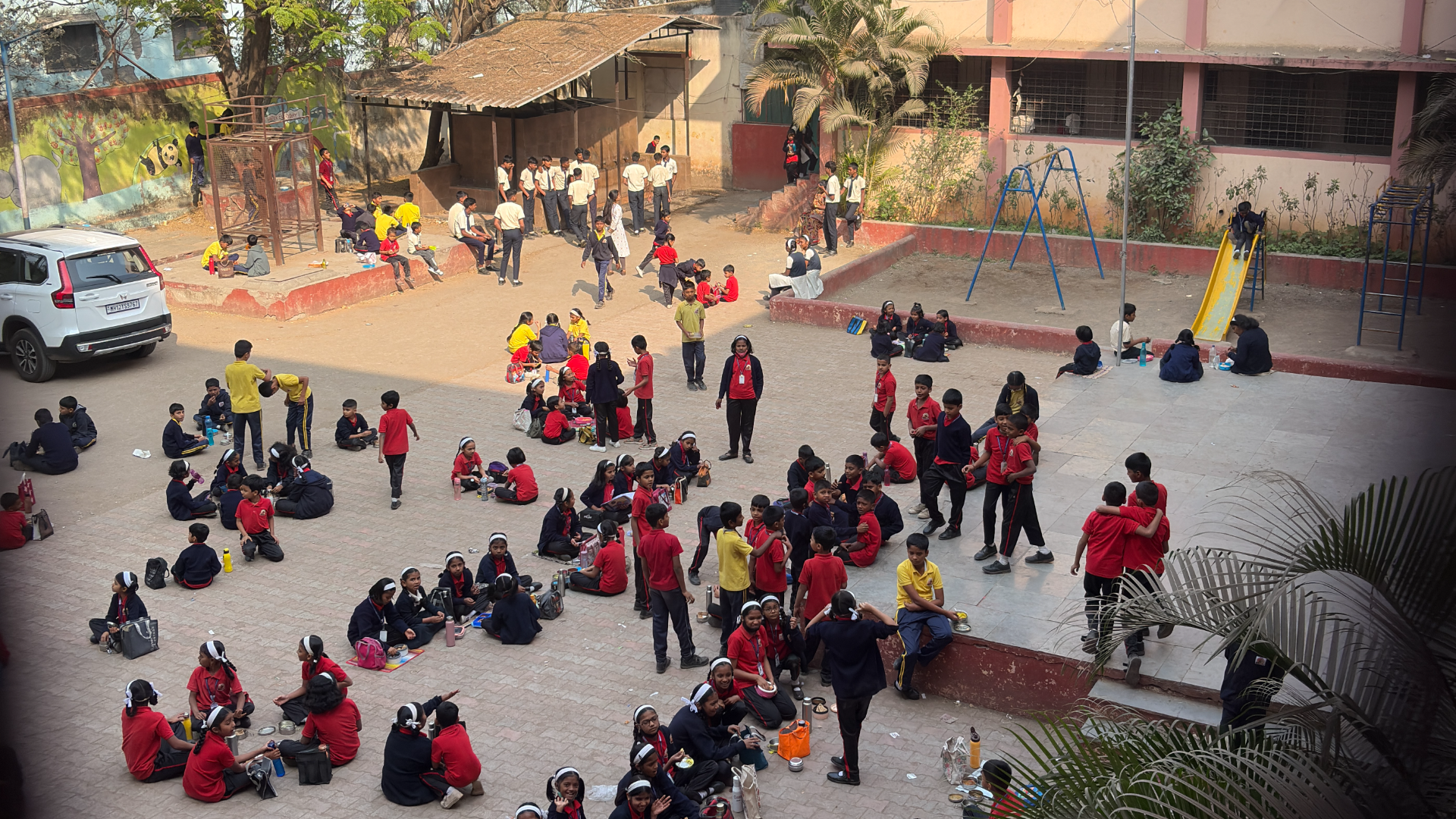
Population density within the vastis places significant pressure on the local school system. Many schools cannot accommodate students for a full school day, instead offering half-day instruction to two distinct sets of students and also pushing education beyond eighth grade out of reach for many.
Families new to the vastis may also face challenges navigating the school system or language barriers, which can prevent children from attending school.
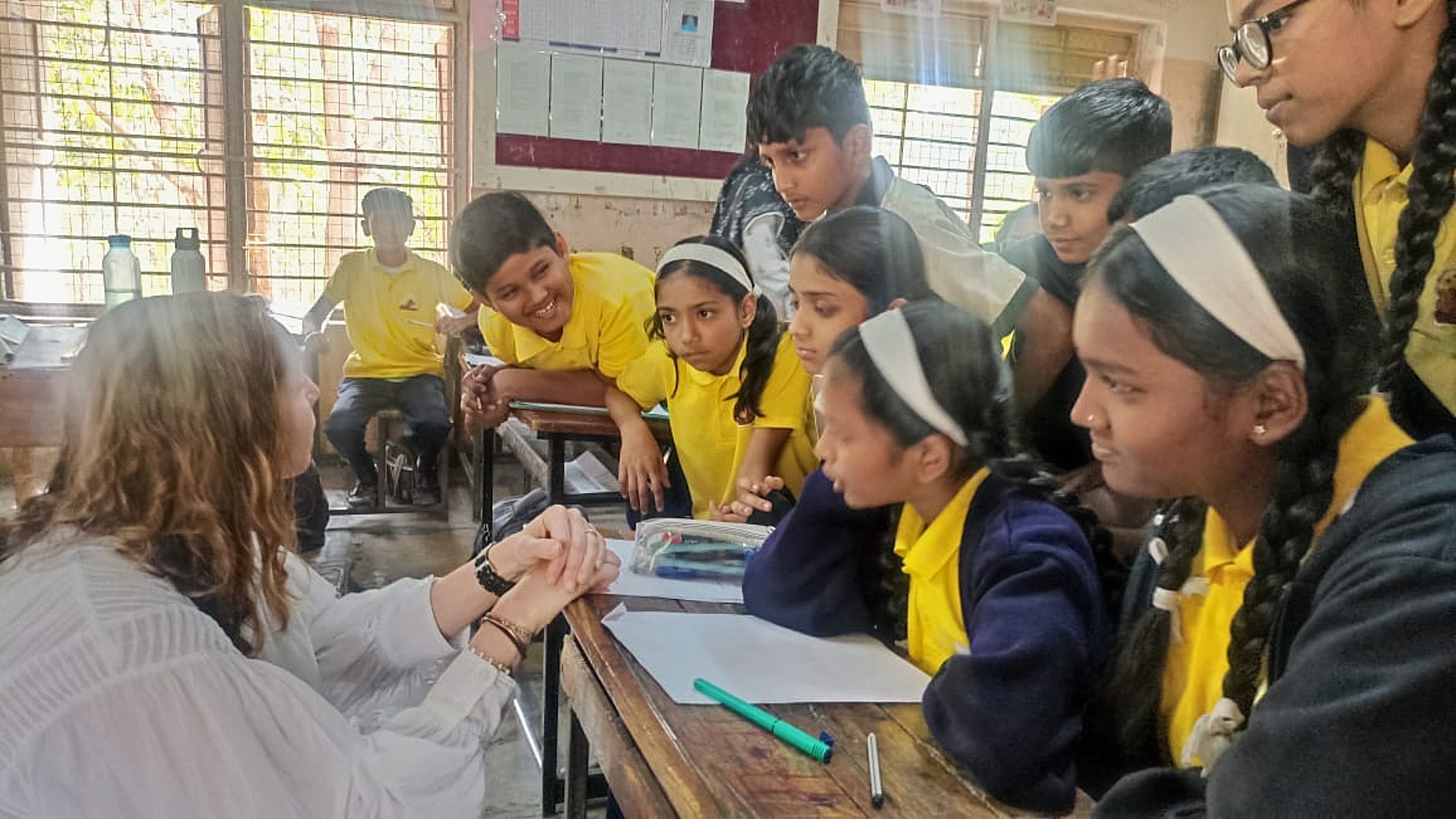
The CSR team works with families to navigate these barriers, get children back to school and help prevent students from falling out of the education system, while also providing life-skills programming that helps youth continue to grow and develop.
Vocational training: Expanding pathways
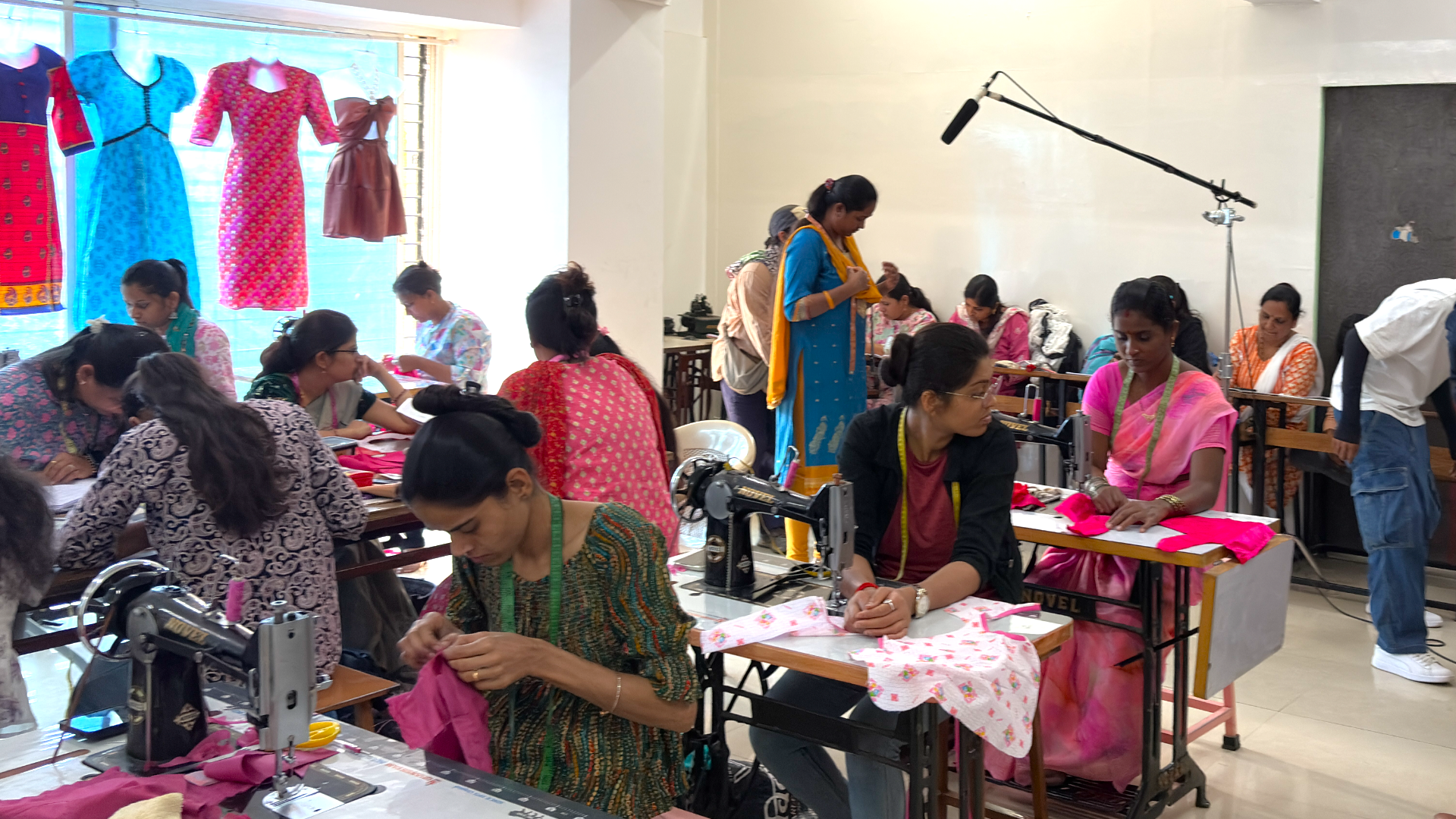
For adults in the vastis, access to employment and higher-paying jobs is limited. Pune Social Work’s vocational training program connects men and women with training and support to build skills, access new employment opportunities and strengthen their financial independence. The programming pathways vary by location, and include instruction in areas such as sewing, beauty care, technical programming, fitness and hospitality.
Youth development: Investing in the next generation
The Youth Development Program (YDP) serves young people ages 13 to 25, helping bridge a critical period between childhood and adulthood. The program begins with a 10-week course focused on gender stereotypes and expectations, critical thinking and personal development. Participants who like the course can then progress to become peer mentors and, ultimately, community leaders who work together to identify and address issues affecting their communities.
Community mobilization: The connection that makes it work
The sixth focus area is the key piece that ties the others together.
Known as Vasti Sahbhag Prakalp, the community mobilization program identifies and trains residents from the various vastis to become leaders in their own communities by connecting their neighbors to the five other programs that compose Yardi’s Pune Social Work initiative. By knowing about these programs, the mobilizers connect their fellow residents with need-based resources.
Trust is central to this work. Community mobilizers are women who grew up in and remain active members of the vastis they serve. Their relationships with residents and knowledge of their communities help the team understand local needs and connect families with relevant programs.
Taking care of our communities
Every community has its own challenges, requiring an approach shaped by the people who know those challenges best. By listening to and working alongside residents in the vastis, Yardi’s programming offers six interconnected services to respond to the needs of the community.
At the heart of this work is a shared commitment to care for the community and for one another. It is a commitment that can only be carried forward together, and Yardi’s leadership is deeply grateful to the CSR team, NGO partners and vastis residents who make this all possible.
To learn more about Pune Social Work and to see the group in action, visit Yardi.org.