

 Voyager Suite
 Breeze
 Virtuoso
 Investment Suite
 RentCafe
 CommercialCafe Suite
 Elevate Suite
 Procure to Pay Suite
  Energy Suite
 Aspire
 RightSource
 Care Suite
 Matrix
 WorkCafe
 Yardi Kube Suite
 ScreeningWorks Pro
  Yardi Corom



















It’s never too late to give an existing structure a greener lease on life. Retrofits offer commercial building managers an opportunity to improve efficiency and drive cost savings. If you’re just getting started, the four retrofit methods below are a great starting point for sustainable practices.
Observe, benchmark and improve your energy consumption. Monthly bills are not enough to accurately determine the efficiency of a commercial site. Retrofits connected to the internet of things (IoT) provide real-time insights into energy consumption. Explore usage based on subleased portions or the entire building. What’s best, you can implement IoT retrofits at a speed that matches your budget.
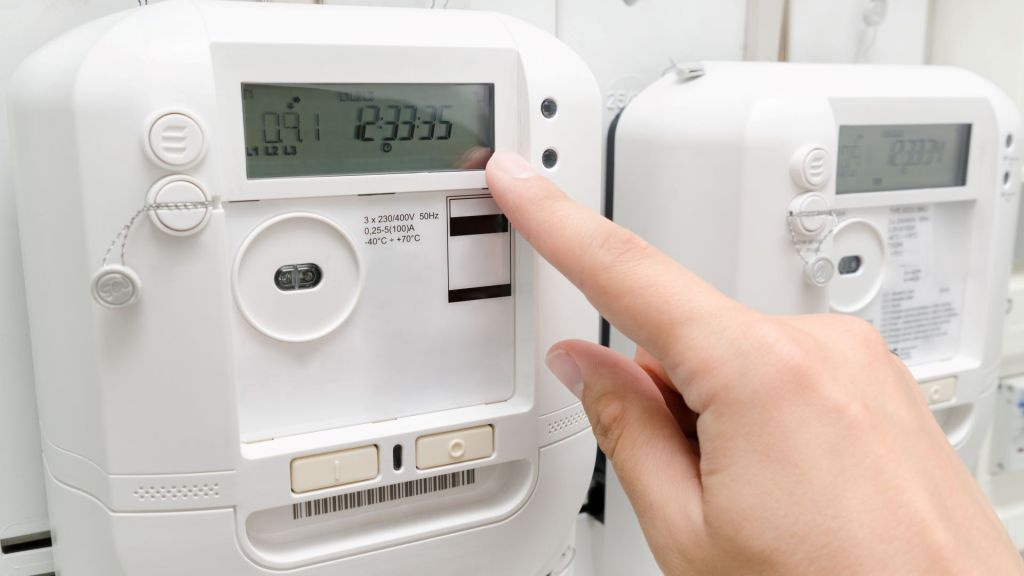
Commercial managers often begin with submeters. Submetering offers insights into building performance while facilitating average savings of 2-5%. Implement supportive technology such as energy benchmarking to help you meet compliance regulations for ESG platforms like ENERGY STAR®.
Promote water efficiency regardless of your location. Dry, arid regions have long prioritized end-user water conservation. Interest has grown nationwide: efficiency offers economic benefits to all managers regardless of the site’s location.
Retrofits for cooling towers and chillers are a great place to implement efficiency measures. Such retrofits will have the most notable impact since they can consume tens of thousands of gallons each day. Smaller projects, such as fixtures, may follow.
Streamline HVAC operations to reduce waste and increase comfort. The efficiencies of HVAC systems decline naturally over time. Promoting optimal operation and occupant comfort requires consistent maintenance and smart controls.
Networked controllers and cloud-based management software enable you to monitor and manage usage. Smart thermostats and monitoring technology can offer up to 30% energy savings while slashing future maintenance costs.
Improve indoor air quality (IAQ). Americans spend about 90% of their time inside. Indoor air contains a higher concentration of allergens, pollutants and pathogens than outdoor air. Hazardous contaminants in paints, adhesives, cleaning agents and pesticides contribute to poor occupant health. Concerns regarding common VOCs, as well as the pandemic, resurrected interest in the purification of indoor air.
Retrofits that offer real-time IAQ monitoring can help projects comply with modern green building standards and improve occupant satisfaction.
You don’t need to be an expert with experts on your team. Management software is only a part of the solution. Knowledgeable account managers can help you fully understand the energy usage in your portfolio and help you find ways to optimize savings.