Voyager Suite
 Breeze
 Virtuoso
 Investment Suite
 RentCafe
 CommercialCafe Suite
 Elevate Suite
 Procure to Pay Suite
  Energy Suite
 Aspire
 RightSource
 Care Suite
 Matrix
 WorkCafe
 Yardi Kube Suite
 ScreeningWorks Pro
  Yardi Corom



















The Underestimated Threat
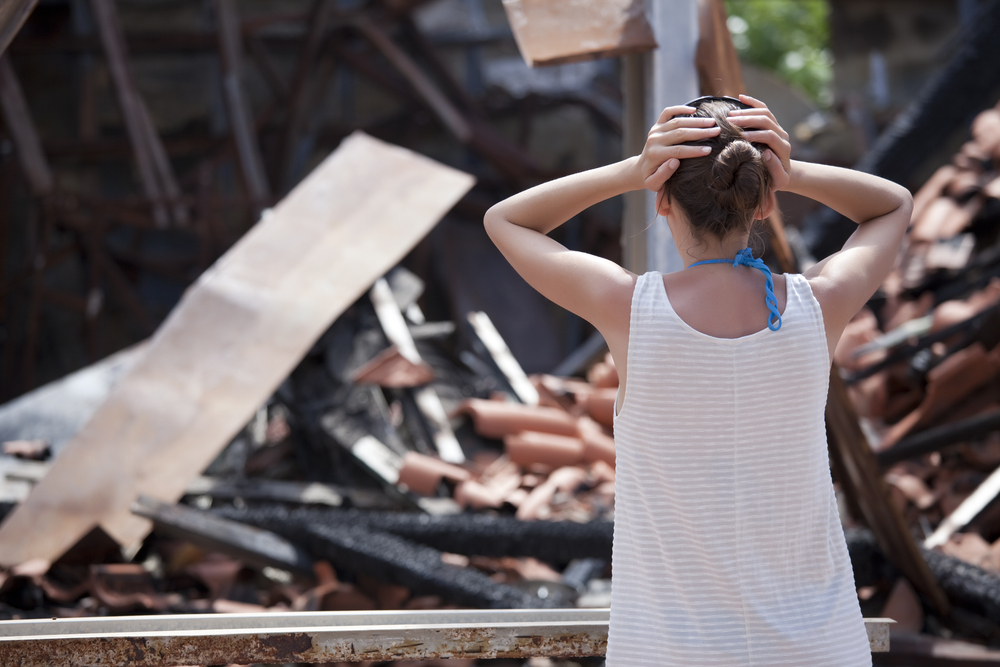
In 2018, the nation witnessed Camp Fire, the deadliest and most destructive wildfire in recent history. The fire blazed 135,000 acres and engulfed 14,000 buildings. Camp Fire claimed the lives of 85 people.
The Environmental Protection Agency estimates that wildfires will contribute to increase in frequency. The land burned by wildfires has increased since the 1980s, and “of the 10 years with the largest acreage burned, nine have occurred since 2000.”
Though the frequency of wildfires has spiked, many homeowners are choosing to rebuild their home without additional fire precautions. The problem isn’t isolated to California. In Western Australia, for example, a series of deadly bushfires ravaged four regions in the course of two years. Few homeowners rebuilt their homes with additional fire precautions in place.
Fire-Resistant Architecture
Some architects specialize in fire-resistant structures, such as Glenn Murcutt. His work in Australia includes black ceramic tiles that reflect radiant heat, rooftops equipped with permanent water features, and powerful sprinkler systems that protect home exteriors. The fire-conscious elements of Murcutt’s designs add only 5 percent to building costs.
In the absence of a specialized architect, there are several recommendations for fire resilient rebuilds:
- Consider wildfire burn patters. Build at least 30 feet away from ridges and cliffs. Wildfires travel fastest uphill. A 20° increase in slope can double wildfire spread.
- Customize vents for fire safety. Add flame- and ember-resistant vents or metal screening to attic and crawl space access points.
- Upgrade glass features. Double paned and tempered glass withstand flames longer than conventional products.
- Opt for breezeway garages. Many flammable products, such as paint thinners and fuels, are stored in garages and sheds. Such structures should not be attached to the homes to minimize combustion damage.
- Reconsider deck building supplies. Wooden decks should be fire treated. When possible, opt for concrete and composite building materials.
Several additional products may interest builders and homeowners. Heat-activated shutters, external fire detection audio alarms, and rapid garage door openers promote safety for occupants.
Due to wildfire forecasts, some experts believe that building code should be updated to include additional fire safety precautions. Others maintain that such upgrades are prohibitive and should remain optional. The debate continues.