

 Voyager Suite
 Breeze
 Virtuoso
 Investment Suite
 RentCafe
 CommercialCafe Suite
 Elevate Suite
 Procure to Pay Suite
  Energy Suite
 Aspire
 RightSource
 Care Suite
 Matrix
 WorkCafe
 Yardi Kube Suite
 ScreeningWorks Pro
  Yardi Corom


















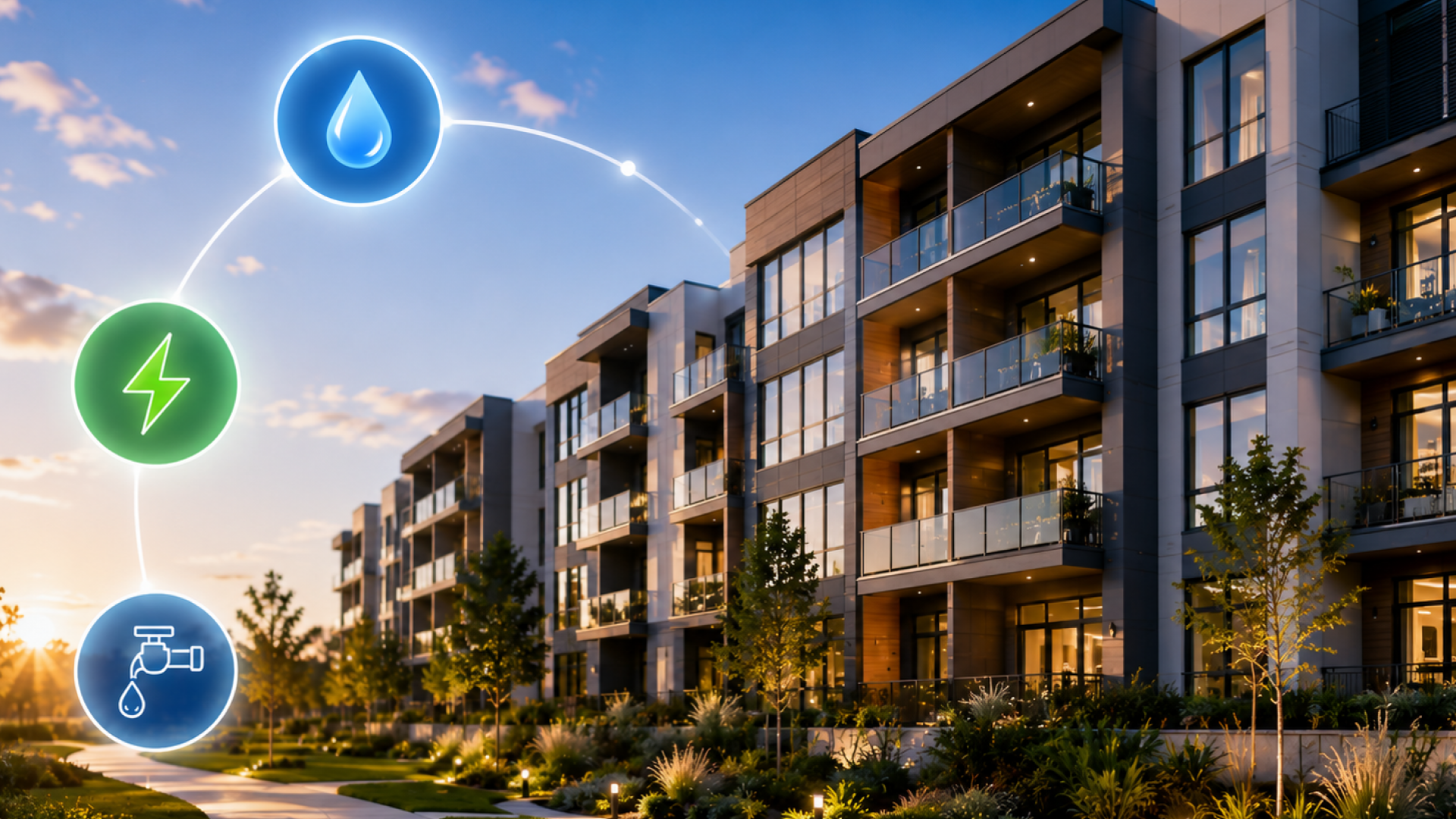
Utility rates for properties have risen sharply, making it even more critical for property operators to stay on top of submeter performance. Utilities consistently rank among the top three operating expenses for multifamily properties, and that share of the budget is growing. U.S. water and sewer bills rose roughly 24% over the past five years, according to Yardi Matrix and Bluefield Research. Electricity rates have risen in similar dramatic fashion.
The gap between what a property pays the utility and what it recovers from residents widens every billing cycle that benchmarks aren’t revisited. A recovery rate that looked strong a few years ago may be quietly underperforming today — not because submetering isn’t working but because the math has changed.
Properties with accurate meter reads every cycle, active vacant unit billing and regular reconciliation can consistently meet current recovery standards. Strong recovery depends on meter read accuracy, vacant unit billing and regular reconciliation of submeter totals against the master meter.
An easy self-audit is pulling the last 12 months of master meter bills, comparing against what was recovered and calculating recovery rate by utility.
Two recovery methods
There are two basic types of recovery methods. The first, the ratio utility billing system, or RUBS, allocates utility costs based on unit size, occupancy or other formulas without individual meters gauging actual usage. The second approach, submetering, measures actual usage per unit.
The regulatory landscape around RUBS is tightening. Some states, such as Connecticut, have banned it entirely. North Carolina prohibits the practice for water utilities, while Seattle, Los Angeles and other municipalities are weighing bans. That means the current trend favors submetering, which enables more defensible billing, better transparency for residents and stronger long-term recovery.
The benefits of automated utility billing
Regardless of the recovery approach, manual billing compounds costs with invoice errors, delayed charges and missed recovery opportunities. Automated invoice audits, RUBS calculations, resident bill generation and move-in/move-out billing eliminate these problems, reducing the administrative burden on site teams and catching discrepancies before they compound.
The Simon Konover Company, a full-service real estate organization managing more than 80 properties across residential and commercial markets, recovered $370,000 in water and sewer charges in a single year through its submetering program. Yardi Utility Billing and Yardi Submetering Services gave the company end-to-end control, from the meter to the bill, within a single connected solution.
Compliance: The new baseline
With the transformation of state and local compliance requirements, transparency is no longer a differentiator — it’s the minimum acceptable standard. Compliance needs to be a routine review item, not a one-time check.
The need for transparency highlights the value of a connected utility billing and submetering platform that centralizes compliance tracking across jurisdictions. Find out what better recovery looks like for your portfolio.
Key utility billing & submetering features
- Maximize utility cost recovery by billing occupants back through your utility billing program. Streamline the utility transfer process with Vacant Cost Recovery and increase your utility cost recoveries by up to 20% with convergent billing.
- Never lose track of a final utility bill with a process that’s integrated into deposit accounting, reconciling utility charges before returning deposits. Create final bills on demand if needed and post them directly to the occupant ledger for seamless tracking and management.
- Enhance utility submeter performance with expert field technicians. Streamline meter installations for new constructions or upgrades and maintain hardware with Yardi programs that manage existing submeter systems or install new ones.
- Catch small leaks before they become big problems with rope sensors and smart alerts to identify hidden issues early, lowering insurance risk and avoiding expensive repairs with around-the-clock monitoring.