

 Voyager Suite
 Breeze
 Virtuoso
 Investment Suite
 RentCafe
 CommercialCafe Suite
 Elevate Suite
 Procure to Pay Suite
  Energy Suite
 Aspire
 RightSource
 Care Suite
 Matrix
 WorkCafe
 Yardi Kube Suite
 ScreeningWorks Pro
  Yardi Corom



















In most CRE leasing organizations, deal pipelines span multiple systems. Lease data, prospect activity, financial assumptions and approval threads are each in a different place. What leadership sees at any point may be a snapshot someone built manually. Asset managers and VPs of leasing know what that arrangement costs the business, especially with rising investment and soft leasing fundamentals putting more pressure on deal-level execution. The question worth asking is what becomes possible when the pipeline runs on one platform.
Key takeaway
Fragmented deal data slows pipeline reporting and skews deal economics with outdated numbers. A unified deal management platform, integrated with property and accounting data, replaces manual consolidation. It provides real-time pipeline visibility, in-platform financial comparisons and centralized approvals from lead to signed lease.
Centralize deal management with Yardi Deal Manager
Most of the friction in CRE leasing happens between systems. Pipeline activity resides in one tool, lease and tenant records in another and financial assumptions in a third. Status reporting becomes manual work. Deal economics may compare against rent rolls or budgets from the last cycle. Proposals, approvals and lease documents sit apart from the property data that determines whether they make sense.
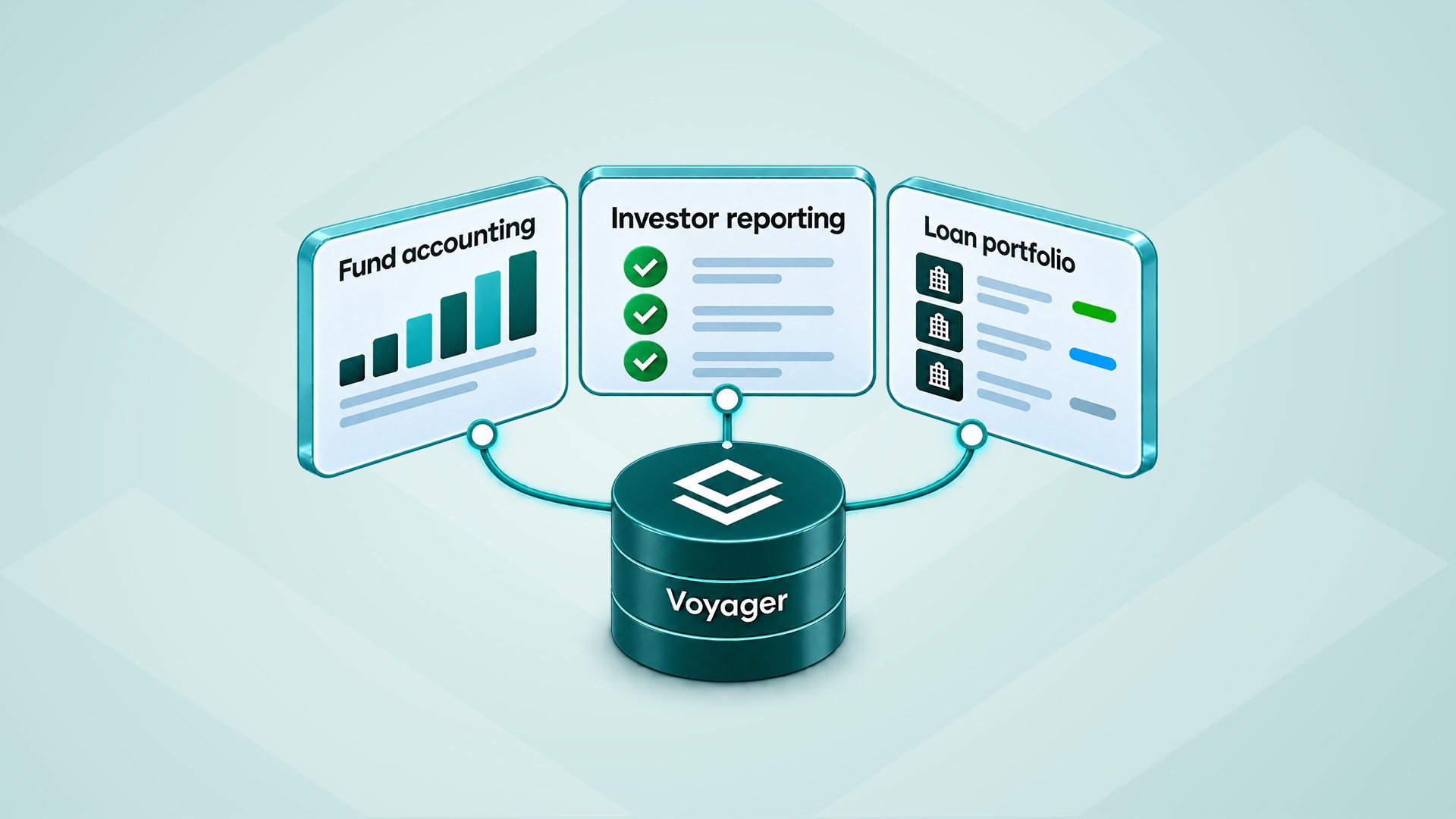
Yardi Deal Manager, part of the Elevate Suite for Commercial, connects every stage of the deal process to the property management and accounting data in Yardi Voyager. Deal records draw from current portfolio data as deals progress, and executed leases write back to it — a connection that also reshapes how teams manage CRE lease renewals from pipeline to signed lease. For leadership, pipeline status, financial analysis, approvals and lease documents all reflect the current state of the portfolio, not yesterday’s exports.
Deal management platforms that sync with property data tend to work from a copy that may already be a step behind. Deal Manager shares a database with Voyager, so deal records and portfolio data stay current without a separate sync or abstraction step.
Stop rebuilding pipeline reports every quarter
In most organizations, pipeline reporting runs through individual brokers, spreadsheet exports and a summary produced before it reaches leadership. By the time anyone acts on it, the picture may already be out of date.
The Deal Manager milestone dashboard tracks deal progress across the pipeline. When a deal stalls or a milestone slips, it surfaces before someone has to ask, so leadership attention shifts from gathering status to acting on it.
Built-in reporting covers leasing activity, lease expirations and team performance, and custom reports pull together the metrics needed for board meetings, ownership reviews and internal forecasting. The quarterly rush to complete them stops being someone’s job.
Compare deal economics without leaving the platform
Most deal comparisons start with an export. Rent rolls come from the property management system, budget assumptions from a spreadsheet, prior lease terms from a shared drive. By the time the numbers are gathered, the analysis may already reflect a snapshot rather than the portfolio’s current state.
Deal Manager removes that step. NER and IRR calculators, LOIs and deal sheets compare each proposal against current budgets, prior leases and relevant benchmarks, which are configurable across the portfolio. That way, asset managers evaluate proposals against real numbers from the current cycle rather than assumptions carried over from an earlier one.
When property data is imported rather than shared, benchmarks can reflect the portfolio as it was at the last sync rather than as it stands now. Deal Manager compares against Voyager data directly.
Forecast Manager, which integrates with Deal Manager as part of the Elevate Suite, provides budget data by suite. Brokers compare active proposals against current budget assumptions before they reach the asset manager’s desk, while there’s still room to adjust.
“Deal Manager’s holistic tie back to Voyager was the biggest selling point. Rent rolls are always up to date, which means deal metrics are always up to date,” said Kelli Walter, partner of asset management for Partners Capital.
See occupancy, expirations & availability in real time
Occupancy data typically lives in a stacking plan updated periodically, often quarterly, sometimes less often. Space availability is in a separate spreadsheet that reflects the portfolio as it looked when someone last reconciled it.
In Deal Manager, stacking plans, floor plans and space availability reflect current tenant information, options and encumbrances. Available spaces are searchable across the portfolio. The view updates as leases are signed, renewed or modified, so when a tenant exercises an option, the inventory adjusts without anyone having to update a spreadsheet.
The same record prevents conflicting proposals. If a tenant holds an active renewal option, brokers cannot create new deals on that space, so leasing teams stop spending time on suites that are already encumbered.
For leadership, occupancy, upcoming expirations and available inventory are accessible from any device. Requesting a report from property management stops being a step in the workflow.
Approve deals without chasing email chains
In most organizations, deal approvals move through a chain of emails, forwarded PDFs and redlined attachments. Each approver works from whatever version arrived in their inbox. For deals with multiple approvers such as tiered authority, regional review or ownership sign-off, the process slows down at every handoff.
Deal Manager replaces that process. Ownership representatives, asset managers and leasing agents review, comment and approve in one place, and every conversation, revision and approval decision is logged at the deal level. The record is clear: who approved what, when and on which terms. Lease drafting, document-version collaboration with legal and electronic signature continue from there, so a deal moves from approval to signed lease without restarting in a different tool.
In deal management tools that sit outside the property record, approvals may capture the decision but not the portfolio context that shaped it. In Deal Manager, every approval is logged against the deal record itself, alongside the financial analysis, lease terms and Voyager data that informed it.
“Our leasing, asset management and legal teams communicate more efficiently with Deal Manager, and that makes us quicker. That’s the largest impact of Deal Manager for us,” said Richard Hickson, executive vice president of operations for Cousins Properties.
Capture deal data from anywhere
Most field activity — tours, prospect conversations, tenant inquiries — takes a winding path back to the pipeline view. A broker sends a summary by email, a leasing agent saves notes to a personal folder. Someone has to enter the data manually before anyone reviewing the pipeline can see what happened.
The mobile app lets brokers and leasing agents log deal activity on the spot from any device. Leadership sees current pipeline activity, and asset managers evaluate proposals with the full prospect history in front of them, without anyone stopping to transfer notes or rebuild context after the fact.
Connect leasing activity to forecasts & construction
Revenue forecasts and tenant improvement plans typically run on a separate schedule from the deals that drive them. Construction Manager, also part of the Elevate Suite, brings tenant improvement workflows into the same connection as Forecast Manager.
Projections reflect current pipeline activity as deals advance, stall or close. When a deal moves through the pipeline, the model adjusts, so leadership and ownership evaluate revenue based on what is actually in the pipeline rather than what was last entered into a budget cycle.
Tenant improvements follow the same logic. When a deal moves from approval to buildout, asset managers see project timelines, costs and deal status alongside the lease terms that drove them, rather than tracking leasing in one system and construction in another. Both shift with the pipeline rather than on a separate schedule.
Manage CRE deals & properties in one system
Connected deal data replaces manual consolidation and the sync delays that come with disconnected deal management platforms. Pipeline status, deal economics and approvals all draw from one source of truth rather than being assembled by hand or refreshed on a cycle.
For organizations already operating on Voyager, Deal Manager runs the deal pipeline directly on the database they already maintain rather than syncing from a separate platform.
See how Deal Manager turns live Voyager data into deal flow
FAQs
A deal management platform integrated with property management and accounting gives leasing teams access to current rent rolls, tenant options, encumbrances and expense structures without exporting or manually reconciling data between systems. Deal records draw from the same source as lease administration, so pipeline activity and portfolio data stay aligned. Yardi Deal Manager achieves this through full bilateral integration with Voyager — deal data and property data share one database, and executed leases are abstracted directly back into Voyager without a separate sync step.
Deal Manager includes NER and IRR calculators that automatically compare each proposal against current budgets, prior leases and configurable benchmarks across the portfolio. Asset managers evaluate proposals against real numbers from the current cycle rather than assumptions carried over from an earlier one. Forecast Manager provides budget data by suite directly within Deal Manager, so brokers can measure active proposals against budgeted minimum lease assumptions or speculative leases before they reach the asset manager’s desk.
Yes — teams generate lease drafts, collaborate with legal, compare document versions and sign final documents electronically within the platform. Deal economics, terms, options and clauses carry directly from the deal record into the lease document, reducing manual reentry. Executed leases are captured in Voyager, ensuring deal terms are reflected accurately in the property management system.
CRE leasing data integration keeps revenue projections and tenant improvement timelines aligned with current pipeline activity rather than lagging behind it. When a deal advances or stalls, the forecast adjusts without manual export, and construction teams see updated lease terms and project scope alongside the deals that produced them. In the Yardi Elevate Suite, Deal Manager integrates with Forecast Manager and Construction Manager to deliver this connection natively — pipeline deals inform forecasts automatically, and jobs can be created directly from Deal Manager proposals.
Effective CRE deal pipeline reporting covers leasing activity, lease expirations, team performance and deal-level economics across the portfolio, with the ability to combine deal data and property management data in custom reports. Leadership and asset managers need on-demand access to pipeline status and deal metrics without waiting for someone to assemble them manually. Yardi Deal Manager includes built-in reporting across all of these areas, with custom reports that pull from both Deal Manager and Voyager data for board meetings, ownership reviews and internal forecasting.
The most important capability is direct access to current property management and accounting data without manual export or periodic sync. Beyond that, evaluate your pipeline visibility, deal comparison tools, approval workflows and integration with forecasting and construction. Yardi Deal Manager runs natively on the Voyager database, which means deal records reflect current portfolio data at all times and executed leases write back without a separate abstraction step.