

 Voyager Suite
 Breeze
 Virtuoso
 Investment Suite
 RentCafe
 CommercialCafe Suite
 Elevate Suite
 Procure to Pay Suite
  Energy Suite
 Aspire
 RightSource
 Care Suite
 Matrix
 WorkCafe
 Yardi Kube Suite
 ScreeningWorks Pro
  Yardi Corom



















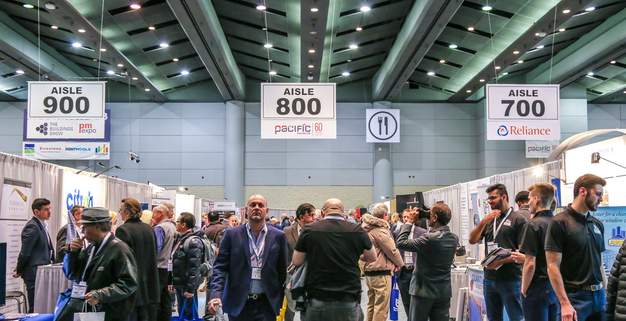
The industry is flooded with sustainable technologies. There are a variety of considerations to make when selecting the best solution for your organization. The experts at the 2019 PM SpringFest tackled the topic, helping attendees focus on what matters most.
The session PropTech: Technology Challenging the Status Quo explored beneficial technologies that transform conventional properties into sustainable, energy efficient, safe and high-performing assets while delivering notable ROI.
Session speakers included Phillip Raffi, national energy and sustainability manager with Colliers International; Matthew Lennan, innovator in residence at Oxford Properties Group; and Thano Lambrinos, vice president, smart building technology, digital innovation at QuadReal Property Group. Peter Altobelli, vice president and general manager of Yardi Canada, moderated the panel.
Altobelli began by asking: “What elements are important to look at as a foundation before you think about more advanced energy operational efficiencies?”
Lambrinos encouraged organizations to have a designated sustainability tech expert on staff. “You won’t realize potential if it is a pet project,” he said.
The second step is to invest wisely. “Look at creating an innovation slush fund. Our CEO encourages us to fail but fail fast,” he smiled. “The tech may not even have a business case or ROI yet, so test it out.” In absence of such resources, Lambrinos suggested aligning with an agnostic consultant.
Lennan emphasized the importance of team collaboration and transparency between senior management, IT, and OT. Each entity must be aware of implementation timelines and risks at both local and corporate levels.
Altobelli also asked the panel to address the challenges faced in their endeavors and what valuable lessons they’ve learned in the process of working through them.
Raffi advised, “We get inundated with people who have ‘the best tech.’ Filter through it. If it sounds too good to be true, it is.”
Limit the timetable of testing to about three months, which is enough time to get results but not waste too much of your time and resources, he said.
“Always go with proof of value or concept,” Lennan added. “Pricing is all over the map.”
In addition to having tech companies prove themselves, Lambrinos suggested that attendants fearlessly push the industry and their suppliers. He said, “Stand your ground. You are the customer. Push the community. Don’t assume everyone around you will play nice. Clearly articulate what you are looking for and deploy processes and methodology that you want to realize.”
Pursuing solutions becomes easier with experts in your corner. Contact us to learn more about sustainable technologies for multifamily and commercial properties.