Voyager Suite
 Breeze
 Virtuoso
 Investment Suite
 RentCafe
 CommercialCafe Suite
 Elevate Suite
 Procure to Pay Suite
  Energy Suite
 Aspire
 RightSource
 Care Suite
 Matrix
 WorkCafe
 Yardi Kube Suite
 ScreeningWorks Pro
  Yardi Corom



















As the United States shifts from its 20th century car-centric automotive ind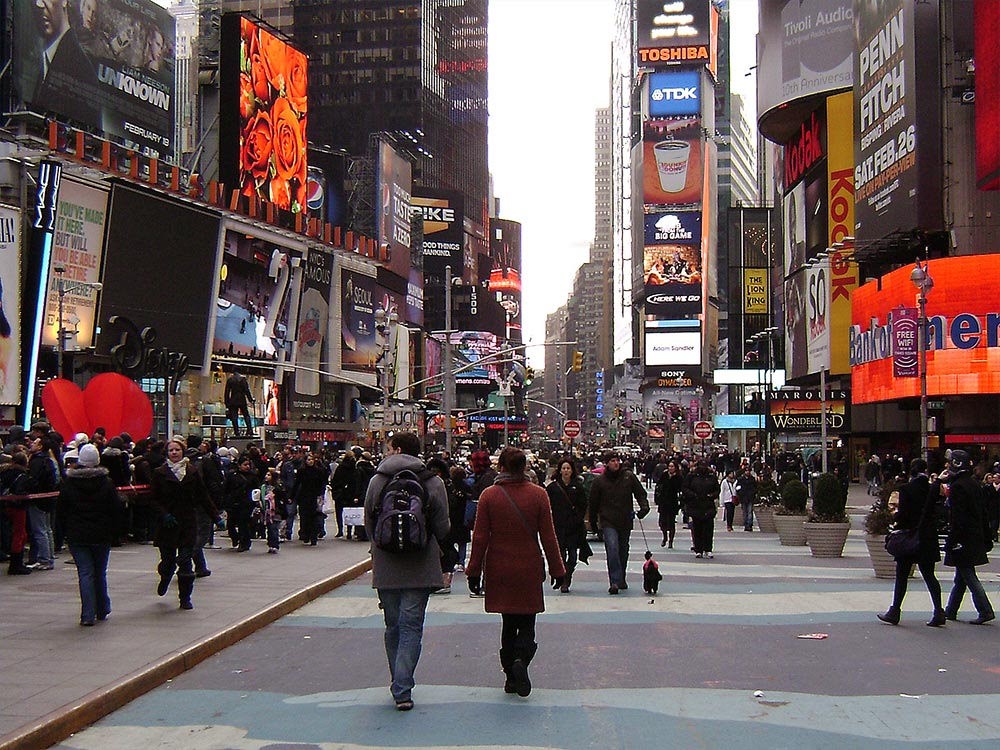 ustry and further into the 21st century, cities around the country are beginning to step into the trend of walkability. Large, metropolitan cities are seeing a decrease in the number of cars, which makes room for bigger sidewalks and more pedestrians.
Studies show that there are a multitude of benefits that come along with increasing a city’s walkability. From bettering your personal health, to contributing to bettering the city’s economy and infrastructure, to decreasing global warming, the wide range of positives is causing the popularity of this trend to take off.
Increasing Physical and Mental Health
Many people in metropolitan areas live very sedentary lives. They wake up, drive to work, and sit at their desks for hours before driving home for the day. Rinse and repeat. Physical inactivity can account for up to 10% of all deaths from noncommunicable diseases.
With the implementation of compact and walkable distances, people can increase the amount of activity in their daily lives, leading to overall healthier lifestyles. Research shows that walking just 30 minutes a day is linked to an 18 percent decrease in heart disease.
Sedentary lifestyles are often coupled with low levels of daily interaction. If you drive straight to work alone every day, social interactions would not be necessary. Walkable streets and areas can foster interactions that would not have taken place normally, such as striking up a conversation at a community park or meeting somebody at a coffee shop along a busy street.
These small social interactions can contribute to a larger sense of community, which can in turn increase the overall positive mental health for citizens.
Fostering a Vibrant and Active City
A bustling city filled with pedestrians means a thriving economy. Walkable streets encourage people to visit shops and contribute to successful businesses. The most walkable neighborhoods are shown to have the highest GDP per capita, and increasing walkability can lead to a rise in property values. Walkable and urban housing pricing can be 200 percent greater than suburban housing that would require driving to reach a large city.
In addition, walkable public spaces can lead to a rise in creative city developments, such as public art or landscaping, contributing to the overall beauty and vibrancy of a city.
Shrinking traffic congestion can decrease the amount of money being used to construct and maintain roads. Because sidewalks are simpler to implement and much more affordable, the U.S. government would save trillions of dollars in infrastructure construction.
Making a city more compact by using less roads would also decrease land use, which is both environmentally and economically viable. Los Angeles, a city known for its freeway dependency, takes up almost 500 square miles of space, while San Francisco takes up only 50 square miles with its compact and walkable city streets.
Decreasing Global Warming
According to the American Lung Association, Los Angeles is ranked as having the most polluted ozone in the United States, emitting about 18.5 million tons of carbon per year. Promoting public transit and sustainable behaviors can drastically reduce air pollution and have a direct effect on reducing a city’s carbon footprint. In addition, while cars can be an expensive investment, public transport or walking is a much cheaper and accessible alternative, given a more compact neighborhood with more walkable public spaces.