Voyager Suite
 Breeze
 Virtuoso
 Investment Suite
 RentCafe
 CommercialCafe Suite
 Elevate Suite
 Procure to Pay Suite
  Energy Suite
 Aspire
 RightSource
 Care Suite
 Matrix
 WorkCafe
 Yardi Kube Suite
 ScreeningWorks Pro
  Yardi Corom


In the wake of Hurricane Harvey, Congress has approved a $15.25 billion disaster aid package for the Federal Emergency Management Agency (FEMA). An additional package for Hurricane Irma recovery is likely under deliberation.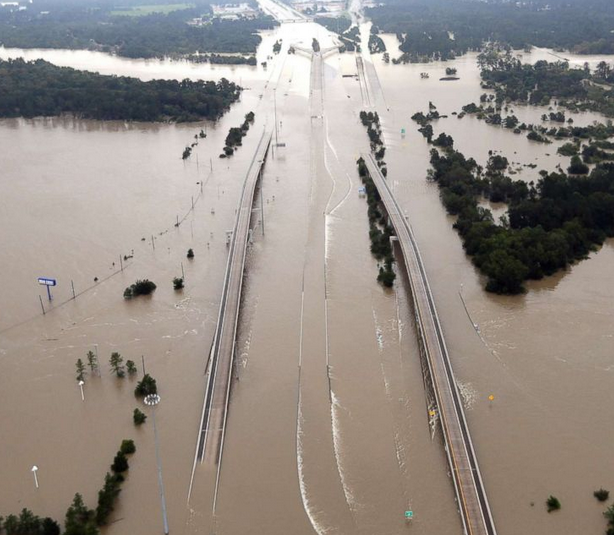
The approved funds will contribute to, yet not cover, emergency assistance for regions of Texas and Louisiana overcome by Hurricane Harvey. The total funds needed for recovery may exceed $50 billion, according to analysts.
The Gulf Coast of Texas received an unprecedented 50 inches of rain in less than four days. Homeland Security reports the loss of at least 70 lives and the destruction of more than 100,000 homes. Nearly 42 percent of Texans live in areas covered by the disaster proclamation.
Beyond the Storm
After Hurricane Allison, the 2014 City of Houston drainage study revealed that many of Houston’s poorest communities were inadequately prepared for “even modest storm events.” The National Community Reinvestment Coalition published a statement and map that shows the correlation between high-risk flood zones and communities of color.
CNN reports that the city council approved $10 million to reduce drainage issues. Texas Housers and the Texas Organization Project claim that the City of Houston did not take action to protect its residents or mitigate the effects of Hurricane Harvey.
Dam releases contributed to the devastation. On Monday, the US Army Corps of Engineers began to release water from the Addicks and Barker dams. The assumption was that the neighborhoods could better manage the water with controlled releases than uncontrolled overflow from the dams.
Flood control officials in Harris County estimate that hundreds of properties flooded as a result of the controlled releases.
Seeking Shelter
Housing is the leading priority for disaster recovery specialists.
Red Cross and partner associations opened 240 shelters in Texas and six shelters in Louisiana. The sites provide assistance for more than 33,800 people and 450 people, respectively. Hotels provide transitional housing for an additional 8,000 people.
John Henneberger of Texas Low Income Housing Information Service proposed to replicate a housing voucher program that was successful after Hurricane Katrina: displaced residents received temporary apartment vouchers through the US Department of Housing and Urban Development (HUD).
Similarly, FEMA is issuing housing vouchers to Texas families. Rural development-financed multifamily properties with vacant units are encouraged to participate in the program.
AirBNB hosts throughout the affect region are providing free housing for displaced families and individuals through September 25th.
FEMA reports 364,000 individual aid applications totaling approximately $66.4 million. Approvals for 103, 000 are already underway. Flood insurance claims exceed 51,000.
Take Action
The latest CARH newsletter includes links and contact information for multifamily and hospitality professionals interested in the voucher-based programs.
The newsletter also includes tips and resources for those affected by the natural disaster.
Yardi has taken several measures to assist with disaster recovery and housing, including a $1 million commitment to local nonprofits. To learn more, explore our blog post.