Voyager Suite
 Breeze
 Virtuoso
 Investment Suite
 RentCafe
 CommercialCafe Suite
 Elevate Suite
 Procure to Pay Suite
  Energy Suite
 Aspire
 RightSource
 Care Suite
 Matrix
 WorkCafe
 Yardi Kube Suite
 ScreeningWorks Pro
  Yardi Corom


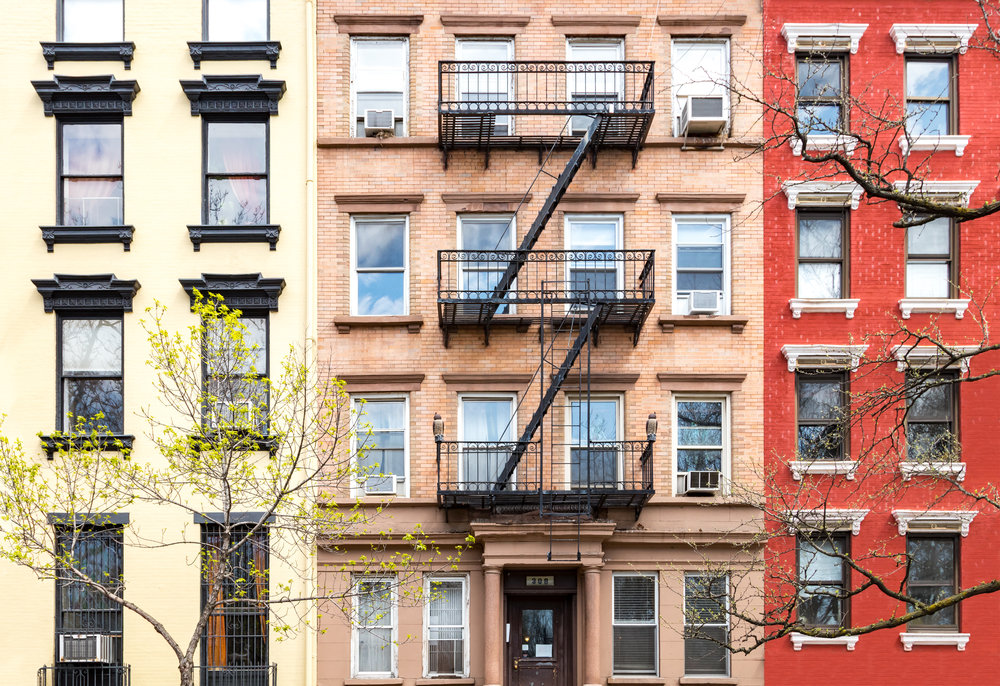
Affordable housing advocates hail New York state’s Housing Stability and Tenant Protection Act of 2019 as a life raft for renters in more than 1 million apartments in New York City alone. Other observers, however, regard it as a minefield that will eliminate incentives for building upkeep, remove housing stock from the market, and drive away landlords and investors.
A key provision of the law empowers a board to tie rent increases to an inflation-indexed percentage. Owners previously could raise rents 20% when stabilized units were vacated, with deregulation allowed when rent level or resident income thresholds were reached. Another section limits rent increases to cover only $15,000 of improvements over a 15-year period, regardless of actual costs.
“New York State has taken a historic step towards a fairer housing system by reforming the rent loopholes that allowed landlords and property owners to harass and displace tenants across the State. By passing this legislation, we are finally delivering equity and justice to our clients and all low-income New Yorkers,” the Legal Aid Society said in a statement.
“[The law] makes it likely that no new apartment buildings will rise. It guarantees that existing ones will decay. It will make repairs and upgrades prohibitively expensive for landlords who must eke out puny profits from properties that require major reinvestment, but where they can’t charge enough rent to pay for it,” countered New York Post editorial writer Steve Cuozzo.
In July, a month after Gov. Andrew Cuomo signed the bill into law, a coalition of trade associations and building owners filed a federal lawsuit alleging that the legislation is unconstitutional.
A new Yardi Matrix bulletin weighs in on the new law. “Market players say that the values of properties with stabilized units dropped anywhere between 20-40 percent overnight. Owners with highly leveraged properties or those that are thinly capitalized will feel the most pain, and those that suddenly find themselves underwater might decide to hand over the keys to banks,” the report says.
The bulletin acknowledges that the capital improvement limit was partly a response to property owners who applied rent increases while improving apartments less than they claimed. However, “if landlords can’t recoup capital spent on improvements, they either won’t make [them] or will do it with lesser quality materials.” And if rents don’t keep pace with rising expenses for utilities, wages, property taxes and capital improvements, “it’s hard to imagine how many companies want to own a property with deteriorating net income, unless they can buy it for a distressed price.”
Read more in the full Yardi Matrix bulletin, “New York Rent Control: Paved With Good Intentions.”