


 Voyager Suite
 Breeze
 Virtuoso
 Investment Suite
 RentCafe
 CommercialCafe Suite
 Elevate Suite
 Procure to Pay Suite
  Energy Suite
 Aspire
 RightSource
 Care Suite
 Matrix
 WorkCafe
 Yardi Kube Suite
 ScreeningWorks Pro
  Yardi Corom



















Glitzy architecture wins awards, high-profile tenants burnish reputations and energy conservation measures earn kudos for commercial properties. But there’s another aspect of the business that’s not quite so charismatic but every bit as important to maintaining asset value and reputation – pest control.
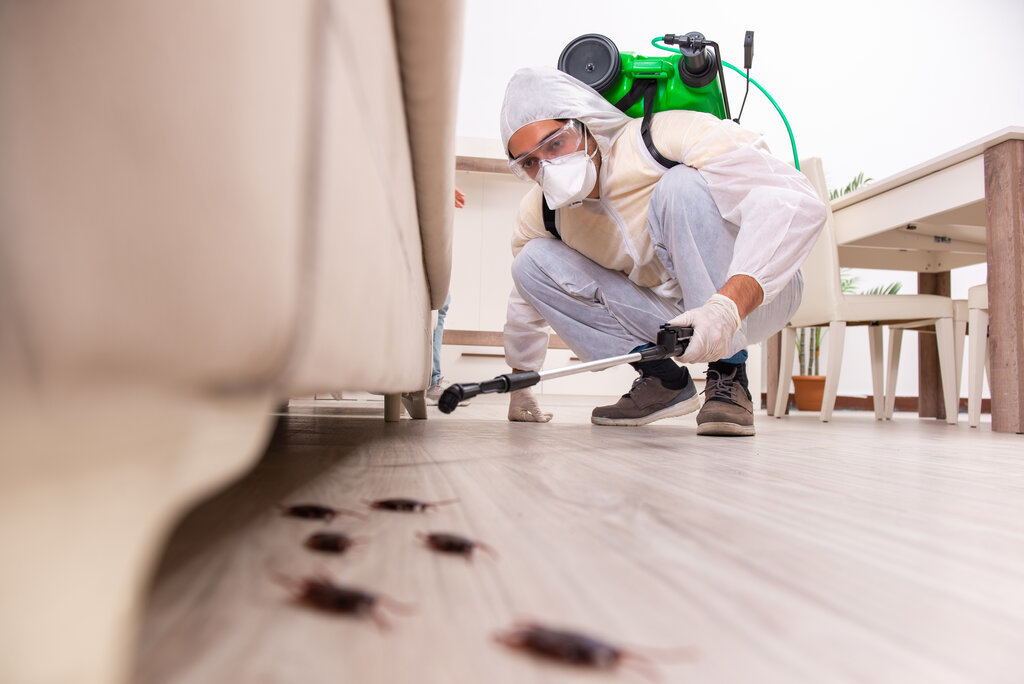
Such creatures as mice, rats, flies, ants, cockroaches, termites, spiders and pigeons can cause serious damage in electrical or boiler rooms, walls, and public and worker spaces. Gnawing rodents, for example, contaminate surfaces, increase fire risk by damaging wiring and equipment, transmit disease and aggravate allergies. Swarms of some ant species can also cause power disruptions. Bird droppings can corrode paint and materials. Aside from being damaging, these outcomes aren’t pleasant sights for occupants, customers and visitors.
Steps to avoiding such damage includes keeping pests out of a facility, eliminating breeding sites and applying pesticides when necessary. The fact that many commercial businesses share walls and common spaces such as lobbies and break areas makes dealing with this issue a collaborative effort.
“A successful pest management program depends on a strong partnership between the building’s management, occupants and a pest control professional. Effective communication between management, the maintenance staff and occupants is the key to success in any pest control program,” notes Abra Kadabra Environmental Services of Mound, Minn.
Here are some tips from Abra Kadabra, Hero Pest Control in Robinson, Texas, and Britain-based Rentokil Initial that can help commercial property owners protect occupant health, worker productivity, business performance and their reputation:
- Inspect facilities, including roofs, for cracks, holes or other openings. Repair all damage promptly and seal openings.
- Educate employees about keeping work areas clean, proper trash disposal and other good sanitation practices.
- Install window screens and replace torn or missing ones.
- Place weather-stripping around exterior doors.
- Promptly repair any sewer pipe damage. Cover drains with metal grates or screens.
- Deploy bird-scaring decoys and change their positions regularly.
- Establish a partnership with a professional pest control service.
“Pests are attracted to clutter. Clear out clutter and dense vegetation around your properties. Eliminate piles of leftover construction materials, boxes and other trash. Keep branches trimmed away from buildings and the grass trimmed short to deter rodents and insects,” advises Florida-based Petri Pest Control Services Inc.