Voyager Suite
 Breeze
 Virtuoso
 Investment Suite
 RentCafe Suite
 REACH by RentCafe
 CommercialCafe Suite
 Elevate Suite
 Procure to Pay Suite
  Energy Suite
 Aspire
 RightSource
 Care Suite
 Matrix
 Yardi Kube Suite
 ScreeningWorks Pro
  Yardi Corom

















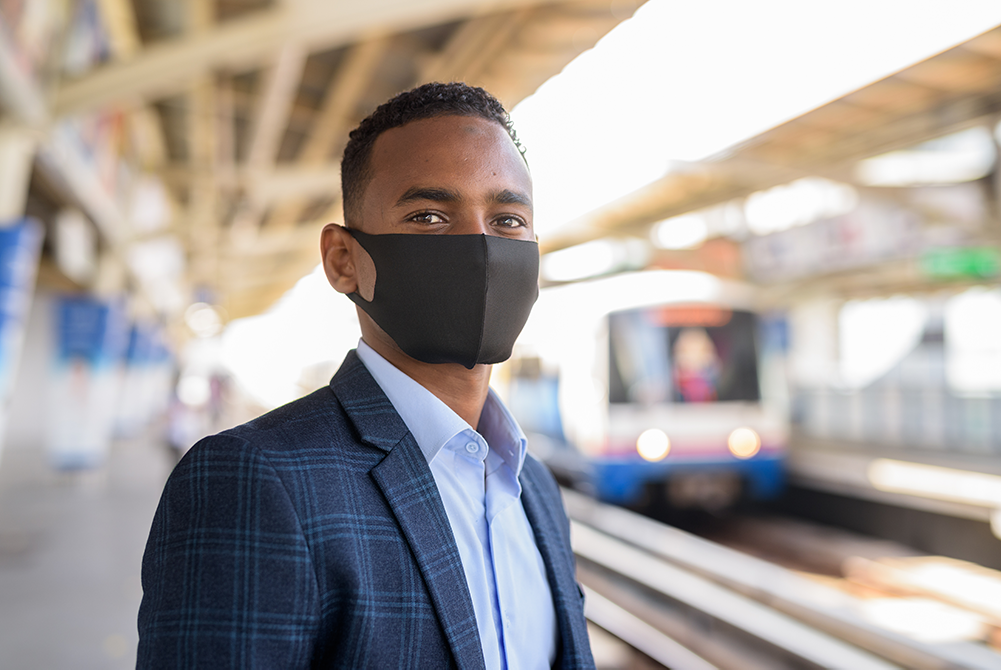
Most people are aware of the challenges that the pandemic has posed for operators and customers of U.S. airlines, which moved 927 million passengers in 2019. How about train travel, which 32.5 million passengers – more than the population of Texas – chose during the 2019 fiscal year?
As national railroad service Amtrak begins to recover from a 95% drop in ridership at the outset of the pandemic (vs. 96% for U.S. airlines), does it represent a viable alternative for travelers skittish about waiting in crowded airport check-in lines and being in an enclosed space at 35,000 feet?
John Marroni, owner of National Restoration, thinks so. “While not ideal, as the lesser of the evils, trains are a moderately safer method of travel during this pandemic” than other transportation options. They’re also easier to disinfect because “the turnover per person is not as frequent as other means of public transportation,” says Marroni, whose Cherry Hill, N.J., company provides construction and painting services for properties suffering fire and water damage and also offers COVID-19 sanitation services.
Safety measures instituted by Amtrak include mask requirements for staff and passengers, social distancing and protective plastic barriers. Trains have onboard filtration systems with a fresh air exchange rate every four to five minutes. Cleaning protocols encompass every seat, private room, baggage rack, bathroom, button, café car, dining car and other publicly shared spaces using an EPA-registered disinfectant before the train leaves. Amtrak maintenance crews also spray and wipe down all major touchpoints, including bathrooms, every couple of hours.
It’s important, says Dr. Thomas Russo, chief of the division of infectious disease at the University at Buffalo, “to remember that most of the transmission of the coronavirus is respiratory.” That means following U.S. Centers for Disease Control and Prevention guidelines for social distancing, hand-washing and vaccination is crucial for travelers to remain safe.
Another plus is that train stations usually have smaller crowds and shorter queues than at airports. To maximize space between passengers and manage flow, Amtrak encourages customers to arrive at least 30 minutes before departure.
“As states have started relaxing their restrictions and we restored some services, we are seeing an increase in ridership,” Roger Harris, executive vice president, chief marketing and revenue officer for Amtrak, reported in December. “With that, we are limiting bookings on most trains to allow for more physical distancing in seating areas. Individuals traveling alone may use the seat next to them for personal belongings, while friends and family members will easily find seats together.”
Dr. Edo Paz, a vice president at New York City digital primary care provider K Health, adds, “Physical distancing plays a big part in keeping passengers safe. Combined with wearing protective gear like masks and gloves and avoiding high-touch areas like doors, handrails and seats, these protocols suggested by the CDC and implemented by Amtrak can make traveling by train a safer experience.”
Did you know that North America’s largest transportation network runs on Yardi software? Read how New York’s MTA uses Yardi Voyager Government and Yardi Retail Manager to track and report on all of its properties, right-of-way easements, subway entrances and inspections, and to complete lease approvals efficiently.