Voyager Suite
 Breeze
 Virtuoso
 Investment Suite
 RentCafe
 CommercialCafe Suite
 Elevate Suite
 Procure to Pay Suite
  Energy Suite
 Aspire
 RightSource
 Care Suite
 Matrix
 WorkCafe
 Yardi Kube Suite
 ScreeningWorks Pro
  Yardi Corom



















The City of San Jose and Santa Clara County have developed a two-tier plan to mitigate homelessness, a crisis that plagues the region.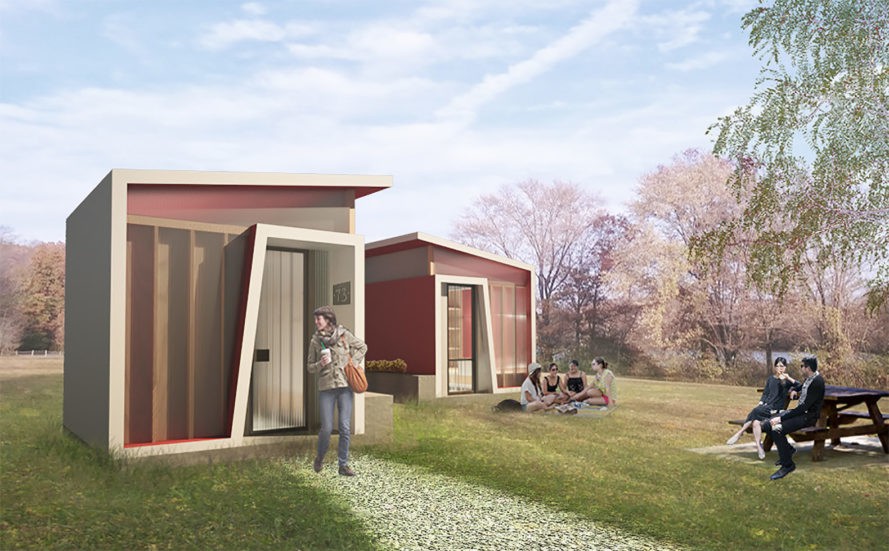
The breakthrough began in 2014 when the County received funding through CalWORKS, California Work Opportunity and Responsibility to Kids. The program empowered 20 local agencies with $20 million to identify housing, provide rent and move-in assistance, and provide case management and services to residents. As of mid-2016, more than 4,000 families benefitted from the CalWorks grant.
Yet CalWORKS and other supportive housing programs (SHP) face a formidable change. The shortage of affordable and low-income housing options continues to contribute to a growing number of residents without housing. The U.S. Department of Housing and Urban Development’s 2016 Annual Homeless Assessment Report reveals that Santa Clara County has:
- The third highest rate of unsheltered homelessness;
- The third largest number of chronically homeless person;
- The fifth largest number of unaccompanied homeless youth;
- The fifth largest number of homeless veterans; and
- The seventh largest number of homeless persons on any given night.
 In addition to ongoing CalWORKS and SHP programming, the City has recently committed to the construction of 533 permanent housing apartments for formerly homeless residents. The construction of those units, however, will take about four years.
In the interim, the Shelter Crisis Act will fill the void. It is a five-year program that creates emergency shelters throughout the city.
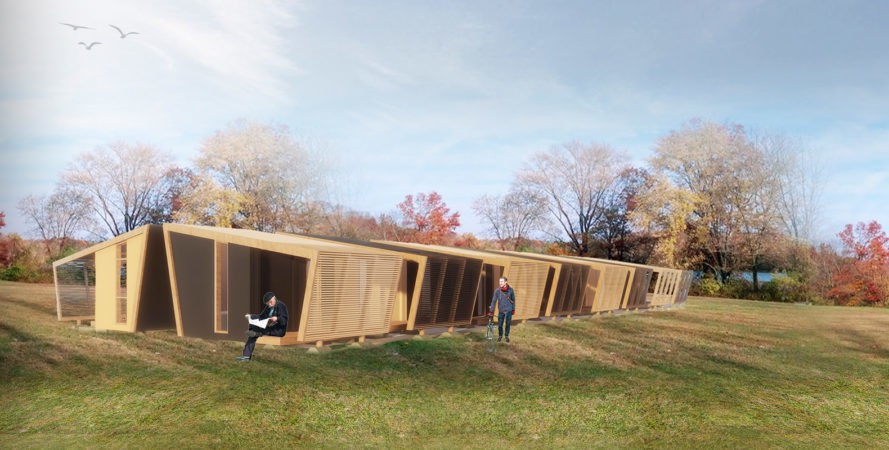
The model community, Bridge Housing Communities, has received approval from the City. The design includes community restrooms, common spaces, and cooking facilities. Residents will have access to onsite caseworkers that can connect them with resources that promote health and autonomy.
Gensler architects issued the winning design, a 40-unit village with sustainable features.
The next challenge is finding sites in each district of the city that can accommodate the communities, each holding no more than 25 people in 20 emergency shelters.
The City of San Jose, Santa Clara County, and state of California continue to explore solutions to homelessness. To learn more, visit the City’s page on ending homelessness.