Voyager Suite
 Breeze
 Virtuoso
 Investment Suite
 RentCafe
 CommercialCafe Suite
 Elevate Suite
 Procure to Pay Suite
 Energy Suite
 Aspire
 RightSource
 Care Suite
 Matrix
 WorkCafe
 Yardi Kube Suite
 ScreeningWorks Pro
 Yardi Corom


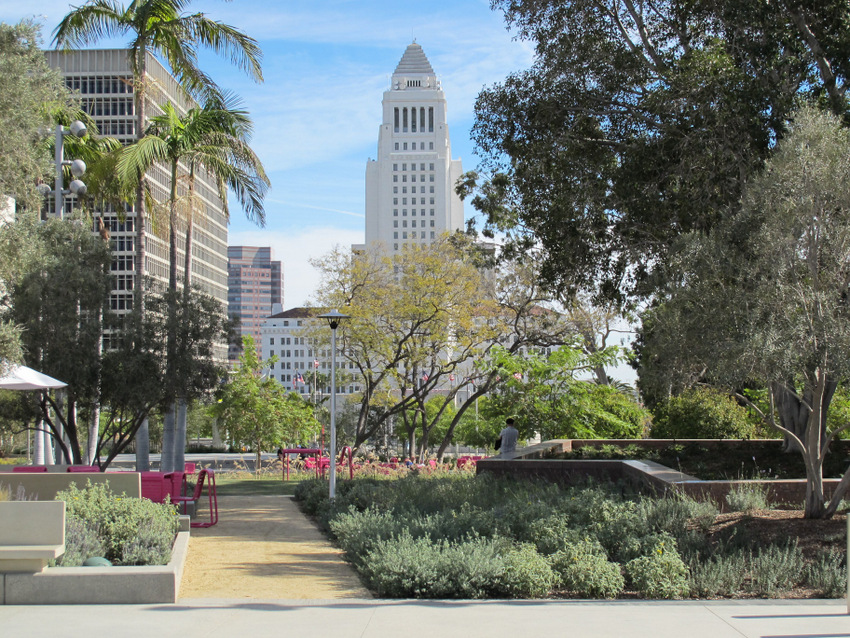
In advocating for urban parks revitalization, the American Society of Landscape Architects (ASLA) is also fighting for a better quality of life for all Americans.

Today, many communities are suffering from a lack of sustainable infrastructure, chronic stormwater management issues, lagging economies, poor health and limited recreational options. Neighborhood parks and other public green spaces have much to do with the creation of healthy environments for tourists and residents alike.
Not only do parks provide a great place for socialization and recreational activities, but they are also credited with supporting economic development; improving public health; reconnecting children with nature; reducing crime; and providing safe, healthy alternatives for youth.
In a recent statement, ASLA commended Congressman Albio Sires (NJ) for reintroducing the Community Parks Revitalization Act (CPRA), which would help communities rehabilitate existing and develop new outdoor spaces and recreational infrastructure.
According to Nancy Somerville, Hon. ASLA, executive vice president and CEO of ASLA, the CPRA is an exceptional initiative that will contribute to enhancing the very essence of our communities. “Parks provide significant economic, social, and environmental benefits to everyone in the community. Parks are not just pretty places, but critical to the fabric of our daily lives” she noted.
The bill is expected to stimulate neighborhood economic growth by leveraging limited public resources to generate community reinvestment; in other words, it will authorize grants for park and recreation agencies, which must be matched with local funds.
Additionally, the CPRA includes a financing mechanism that would create a program for secured loans and loan guarantees for the development of parks and recreational facilities. The program, which was modeled after the popular Transportation Infrastructure Innovative Financing Act (TIFIA), would allow either large scale projects such as trail systems, or multiple communities to bundle multiple projects together allowing eligible entities to take advantage of low cost financing, according to ASLA.
Investment in urban recreational sites makes sense especially since such endeavors have a proven record of attracting new businesses, improving local and state economies and preserving the natural beauty of our city centers. Studies show that approximately 20 jobs are created for every $1,000,000 invested in parks and conservation projects. In addition, standing as centerpieces of thriving urban developments, parks can help increase commercial and residential property values.
 Elaborating on the benefits the initiative, Somerville also noted that landscape architects, many of whom are part of small businesses, plan and design community parks and other outdoor recreational spaces. They help encourage physical activity by making spaces more accessible, attractive and sustainable. Exposure to nature helps improve both mental and physical health, which eventually results in happier lifestyles for all citizens.
Moreover, research has demonstrated that parkland saves cities millions of dollars in storm water management and air pollution expenses by capturing precipitation, reducing runoff, and absorbing air pollutants.
“Considering that more than 80 percent of the U.S. population now lives in urban areas, it is critical that our nation’s leaders recognize the importance of quality of life in the communities where most American live,” said Barbara Tulipane, President and CEO of the National Recreation and Park Association, in a release. “The CPR Act emphasizes the vital role local parks and recreation plays in shaping and improving the economic vitality, environmental and physical wellness of urban communities in the country.”
By addressing national issues such as environment protection, employment, obesity and juvenile delinquency, the program is expected to have a positive impact on communities all across the U.S. and serve as a sustainable platform for our cities’ further growth.