Voyager Suite
 Breeze
 Virtuoso
 Investment Suite
 RentCafe
 CommercialCafe Suite
 Elevate Suite
 Procure to Pay Suite
  Energy Suite
 Aspire
 RightSource
 Care Suite
 Matrix
 WorkCafe
 Yardi Kube Suite
 ScreeningWorks Pro
  Yardi Corom



















You’ve probably heard – or personally experienced – the convenience and controversy of Uber. Taking on the traditional taxi transportation model, this global ride-sharing company has made a huge splash in changing the way ridesharing works.
But Uber isn’t just about using an easy app to find a ride home from a party or the airport. The company is now branching out and setting its sights on the senior demographic cohort, hoping that it can make their lives a little easier – and maybe even help them stay independent longer.
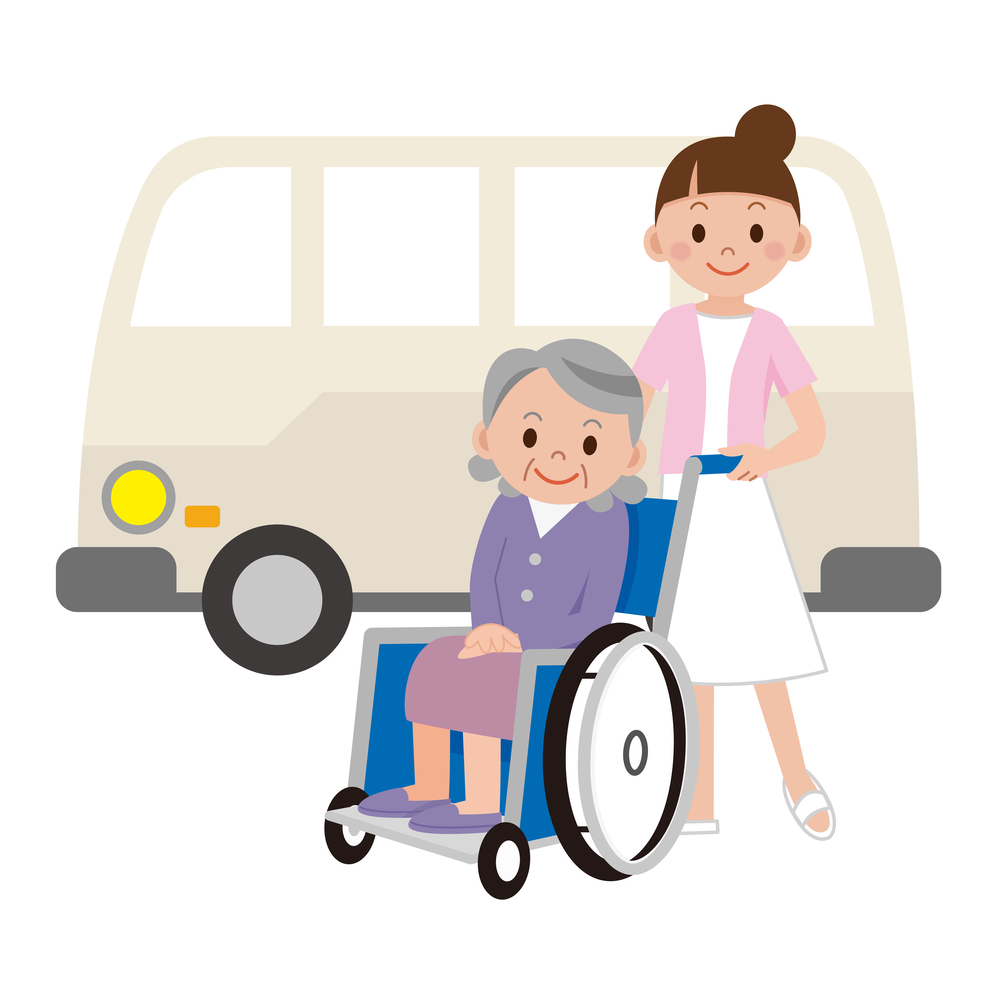
Two less well-known Uber services, uberASSIST and uberWAV, are designed specifically with seniors and the disabled in mind. Drivers for these services will operate vehicles that are accessible (such as a van with a ramp able to load a wheelchair), and often will have to take extra time to assist their passengers with boarding and departing the vehicle.
uberASSIST, the senior service, hit the news in a big way last week because it was talked about at the White House Conference on Aging, an annual event that focuses on elder issues. Not long ago, Uber and competitor Lyft were hit with criticism, even lawsuits, for not complying with state and federal disability access regulations. Now, it appears that the company is taking steps to address those concerns.
Pilot programs of uberASSIST include Ventura, Calif.; two Florida cities (Gainesville and Miami Lakes), Columbus, Ohio; Austin, Texas; and Phoenix and Tucson, Ariz. The intent is to partner with cities and community senior centers to get seniors access to the technology required to request a ride – and even teach them how to use an app or mobile communication device.
As the Baby Boomers age into retirement and their senior stage of their lives, services like this one will become increasingly in demand. And with smartphone use at an all-time high, the need for educational resources like teaching seniors about technology won’t always be a roadblock to easier, faster transportation access.
If you have an aging parent or grandparent, the idea of a convenient, inexpensive service that could give them a ride to their next doctor’s appointment, the grocery store or even a social call is likely an attractive one. Do you think the uberASSIST option will catch on?