Voyager Suite
 Breeze
 Virtuoso
 Investment Suite
 RentCafe
 CommercialCafe Suite
 Elevate Suite
 Procure to Pay Suite
  Energy Suite
 Aspire
 RightSource
 Care Suite
 Matrix
 WorkCafe
 Yardi Kube Suite
 ScreeningWorks Pro
  Yardi Corom


Era of Personal Computing, PC-plus Era or even Post-PC Era – Where are we? What stage in the evolution of technology have we entered, which have we exited? What marked the transition?
In 2006 HP launched a new campaign called The Computer is Personal Ag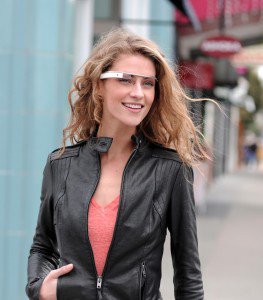 ain, putting more emphasis on empowering users and enterprises and paying little attention to the technical matters. That was a moment when many remembered the great distance computing had traveled from room-sized devices that were anything but personal, to the small devices we carry today that satisfy such personalized needs.
Every year, technology developers do their best to present to consumers either new devices or improved versions of the previous models. In the past few years, critics have been more vocal than ever, alleging lack of innovation. Are they right. or does everybody need to calm down and take a deep breath?
If we are to reflect upon the history of technology we see a clear pattern: at first, devices are used by businesses. Only after reaching a stable foundation are they produced for the masses; then the product needs to mature before the mass market adopts it. Some say that innovation comes in cycles of fifty years, equally divided between the enterprise environment and the general public’s adoption life cycle.
Ideas will never cease to surface. But in order to have a new idea succeed, the timing must be right. A new idea typically comes only after the previous one is perfected. Each innovation is built on the knowledge a previous one brought. People have to be mentally prepared to embrace the new.
With the expansion of the hardware, the software sees considerable growth. Software is growing in value and perhaps the best example would be the gigantic move Apple made when switching from iOS6 to iOS7; the process was so fast and so easy to perform by the users, that it might become a record. iPhone customers value the iOS. In the desktop era almost no one manifested this kind of interest in an operating system. The same applies to the upgrades they make regularly to their operating system for their MacBooks, it’s a fast and easy to perform process. These days things have changed, people are aware of the ins and outs of it because we live in the times when computing is becoming more personal than ever.
As people become more and more educated in the field, good enough is no longer good enough. The theory that low-cost devices become the standard, because they’re good enough, is proved wrong. The moment a product becomes personal is pivotal. Customers want what’s best for their needs and cheap is not always the best choice.
Due to the personal nature of this market, it requires the ability to support a variety of choices. This is proved not only by smartphones, but by the newer wearable computing, as we already see the Google Glasses and emerging smartwatches; more will surface on the market, but only after the customers are somewhat used to them and they’ve reached that minimum level of maturity. Apple’s Tim Cook knows – he stated: “There’s nothing [available at present in wearable computing] that’s going to convince a kid that’s never worn glasses or a band or a watch to wear one.”
In conclusion, before accusing Apple and other companies of not releasing more evolutionary products on a higher pace, we should understand that there are still millions of consumers who need to get their hands on these products and realize their value on their own. Once the cycle is over, a new one will start and amazement will be on our faces. Post-PC may not be here at this very moment, but we may find it right around the next corner.