


 Voyager Suite
 Breeze
 Virtuoso
 Investment Suite
 RentCafe
 CommercialCafe Suite
 Elevate Suite
 Procure to Pay Suite
  Energy Suite
 Aspire
 RightSource
 Care Suite
 Matrix
 WorkCafe
 Yardi Kube Suite
 ScreeningWorks Pro
  Yardi Corom



















The nation’s top 35 metros are ranked on walkable urbanism using a newly released index that considers commercial rent premiums, multifamily rents, and for-sale home prices.
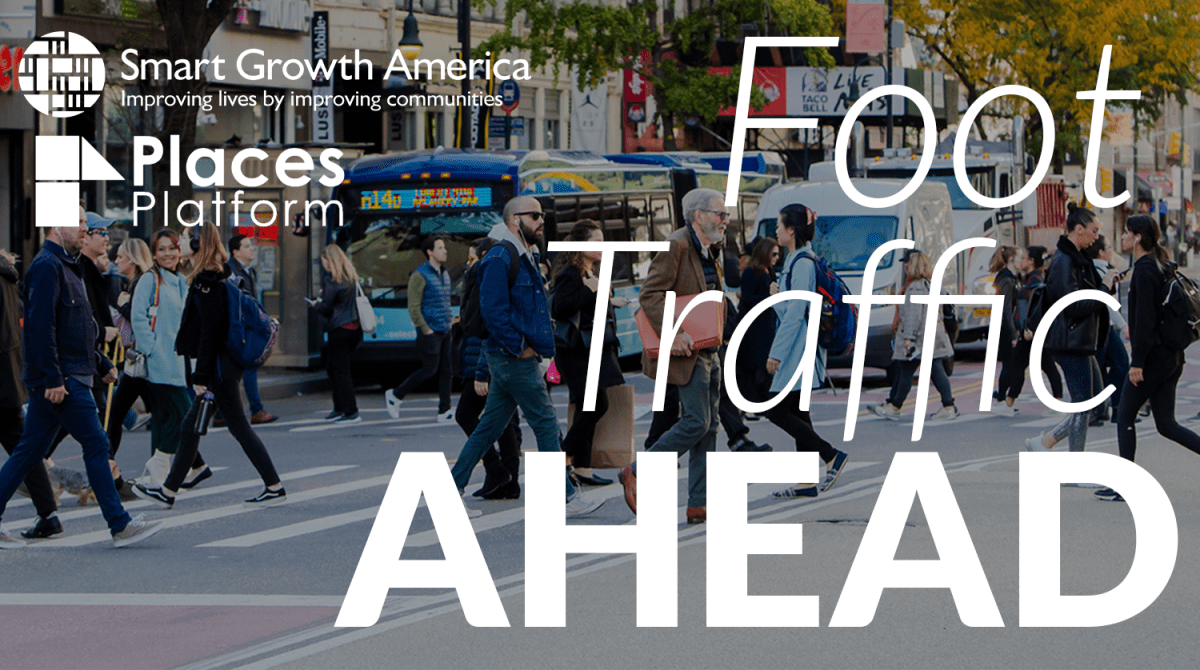
For the first time, Yardi Matrix was a significant source of data for the report, which was co-authored by Michael Rodriguez, AICP, and Christopher B. Leinberger; and ultimately concludes that the demand for walkable urban real estate far exceeds supply.
“Foot Traffic Ahead: Ranking Walkable Urbanism in America’s Largest Metros” finds that the top cities for walkability are:
- New York City
- Boston
- Washington, DC
- Seattle
- Portland
- San Francisco
- Chicago
- Los Angeles
The rankings are based on the share of office, retail, and rental multi-family occupied square footage in walkable urban places relative to the metro region as a whole.
“(The report) finds higher demand driving premiums for commercial and multifamily rents and for-sale home prices in walkable urban places, compared to car-dependent alternatives,” its authors conclude.
According to Smart Growth America, the 2023 report required a different approach in methodology and analytics than in past years. That’s attributed to the pandemic.
“Since the 2019 report, much of urban life has changed: the popularity of remote work skyrocketed; ever-increasing housing demand continued to push up the price of homes; public parks became invaluable social gathering spaces; and streets that once served only cars were shut down to make way for people,” SGA stated. “Taking these changes into account, FTA takes stock of the nation’s 35 largest metropolitan areas to identify how walkability in these places has transformed.”
Among the interesting data points from the report:
– Small spaces, significant population: Researchers found that 19.1 percent of the total U.S. real GDP and 6.8 percent of the U.S. population are located in walkable urban places that represent just 1.2 percent of total landmass of the top 35 U.S. metros.
– Societal benefits: Walkable urban areas have the potential to improve community health by promoting physical activity, can reduce emissions by decreasing car use, and can advance equity via access to economic opportunity.
–A mix of real estate product: Walkable urban places contain the highest concentration of office space (42.1 percent), just over one-third of multifamily rental spaces (30.4 percent), just under a quarter of retail space, and the smallest amount of for-sale housing (11.6 percent).
–Lack of walkable urbanism creates community challenges: The report’s authors find that a walk of walkable places is directly connected to the U.S. affordable housing and cost of living crisis.
“Housing in the very locations where it is most needed—such as transit-served and infill locations— remains challenging to deliver on account of restrictive zoning, lending policy, and pandemic-era supply chain and labor issues,” states the report.
Check out the downloadable Foot Traffic Ahead report for more insights, and read additional coverage of the report and its impact on multifamily real estate from Multihousing News.