Voyager Suite
 Breeze
 Virtuoso
 Investment Suite
 RentCafe
 CommercialCafe Suite
 Elevate Suite
 Procure to Pay Suite
 Energy Suite
 Aspire
 RightSource
 Care Suite
 Matrix
 WorkCafe
 Yardi Kube Suite
 ScreeningWorks Pro
 Yardi Corom


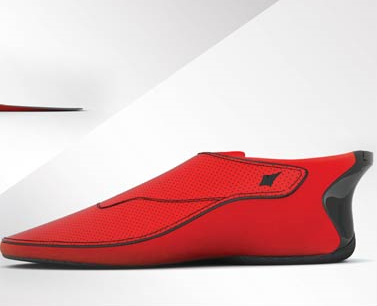
The world of wearable technology is still in its early stages. After wristbands, glasses, and watches, an Indian start-up firm, Ducere Technologies, has introduced the smartshoe. These Bluetooth enabled shoes called Lechal (‘take me there’ in Hindu) will sell for $100-$150 a pair, and are scheduled to hit the market next month. The product has already received 25,000 pre-orders, and the company expects to sell 100,000 by March 2015.
Originally designed in 2011 with the goal of assisting the visually-impaired with directional cues, Krispian Lawrence, co-founder and chief executive of the company, then realized the product could be of interest to joggers, mountain bikers, and tourists as well.
The Lechal smartshoe is designed in India but manufactured in China. The shoes are developed in two models: a complete pair of shoes with Lechal insoles or a package of two insoles that can be used in the customers’ own shoes. They are powered by removable and rechargeable lithium-polymer batteries that should be good for a few days of use. Lechal smartshoes have been designed to have the same weight, to be as comfortable as the typical running shoes, and able to support up to 500 kg per shoe.
The smartshoe is designed to connect to the iOS, Android, or Windows Phone device via Bluetooth. The insole has the typical slew of sensors that you’d expect from a wearable, allowing the user to accurately track the numbers of steps taken, calories burnt, and distance traveled. What sets Lechal apart from a fitness band is that each insole can vibrate.
When you first put on a pair of Lechal smartshoes, you pair it with a companion app on your smartphone. The app takes care of the health tracking part – calories burnt, setting targets, mapping the itinerary – but you can also plan a route on the app and sent it to your smartshoes. Once you start your exercise, the smartshoes will vibrate to indicate which direction you should turn. You can interact with the shoes with gestures – tapping the right toe on the ground will record a waypoint or pause the current training routine. The smartshoe has a similar function with “share my location” from WhatsApp or CityMapper which enables the user to find other Lechal wearers.
What do you think? Is the smartshoe for you?