


 Voyager Suite
 Breeze
 Virtuoso
 Investment Suite
 RentCafe
 CommercialCafe Suite
 Elevate Suite
 Procure to Pay Suite
  Energy Suite
 Aspire
 RightSource
 Care Suite
 Matrix
 Yardi Kube Suite
 ScreeningWorks Pro
  Yardi Corom

















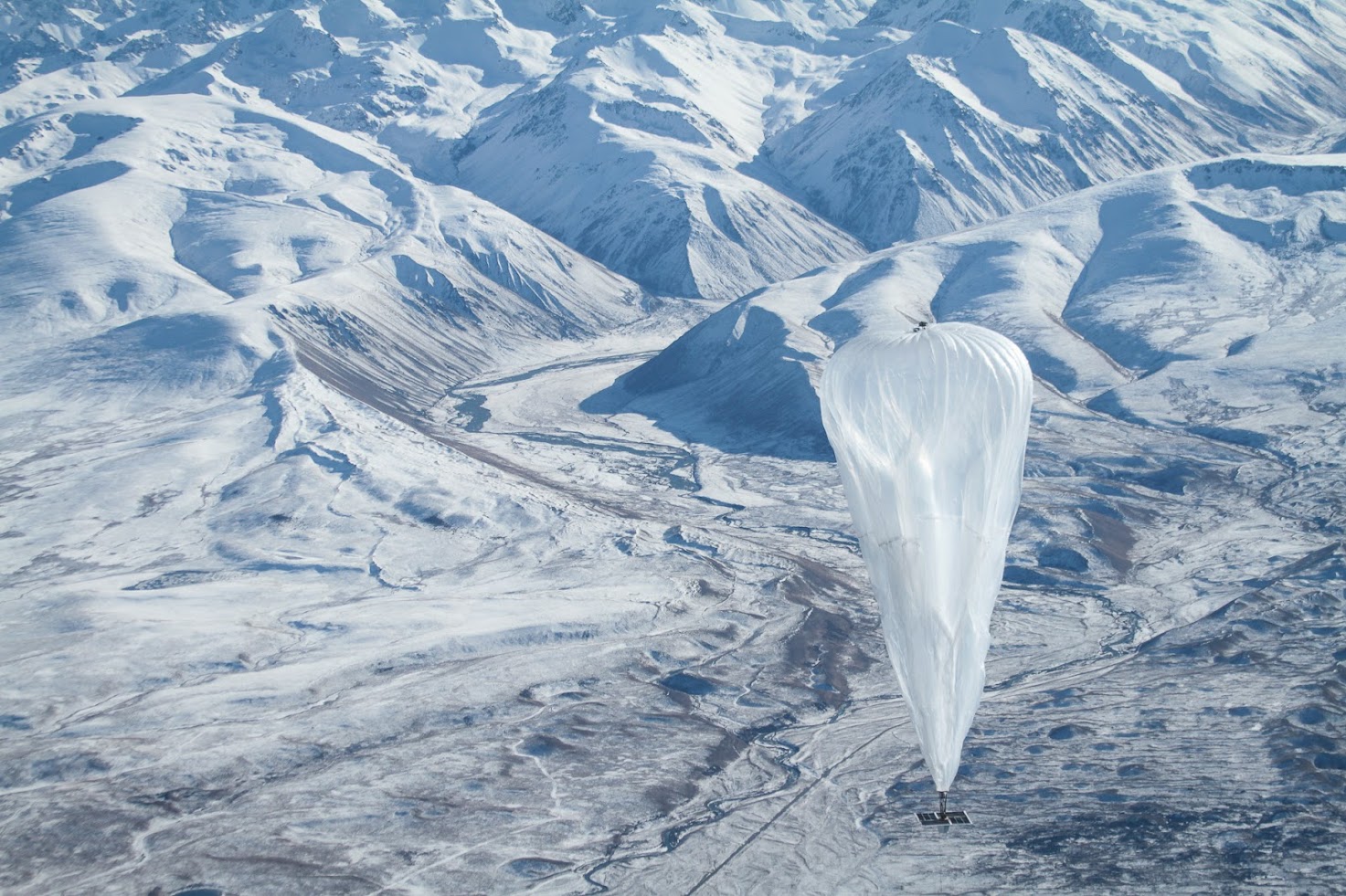
With all the amazing progress technology has made so far, two-thirds of the world’s pop ulation does not have access to Internet, 4 billion people out of Earth’s 7 billion inhabitants. Google’s Project Loon aims to change that.
This larger part of the population who needs access to the Internet either cannot afford the cost of a connection, or none exists where they live. Google’s project is among the most fantastical ones out there.
What Loony thing is this?
Project Loon is the innovative work of engineers attempting to bring internet access to rural and remote areas as well as to bring people back online after disasters. The concept is a network of high-altitude balloons running on the edge of the universe, also known as the stratosphere, at about 20 miles (32km) high. This space in the sky is sort of “above the sky,” twice as high as where the planes fly so that no interference actually occurs. This aerial wireless network can provide up to 3G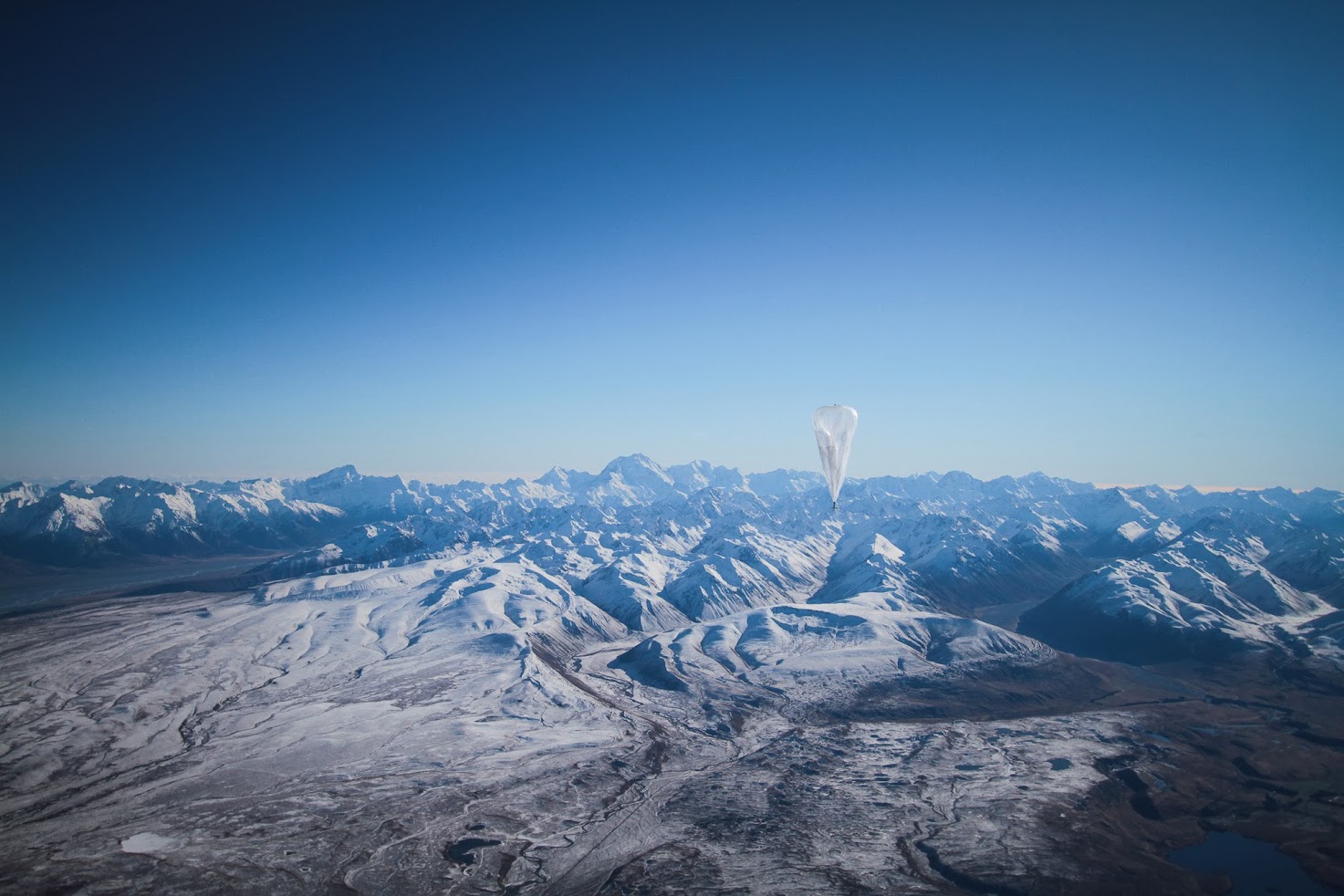 -like speeds, they say.
The project began in 2013 in New Zealand where a small group of pioneers tested the Loon technology. Later, the pilot test expanded to California’s Central Valley and in Northeast Brazil; the results of the pilot tests are being used to improve the technology in preparation for the next stages of the project.
The balloons are moved using wind data from the National Oceanic and Atmospheric Administration (NOAA). Once they collect the information about the speed and direction of the wind, they will move across the stratosphere. To help resist high pressure in the stratosphere, the central control of each balloon is covered by a sheet of polyethylene plastic filled with helium. This envelope apparently has the ability to keep the controllers in the air for 100 days. Each balloon has an electronics box attached containing the antenna (which provides communication means with the ground station and with other balloons), a flight sensor (to be able to avoid accidents), GPS for location, weather instrument to monitor the weather condition, and the circuit board which controls all these components.
To power the balloons the engineers used solar panels, each producing 100 watts of power. A battery is connected to the solar panel with four hours of life during nighttime. Each balloon uses 2.4 GHz spectrum and can cover a 40 km diameter area below. An Internet signal from a ground source is transmitted up to the nearest balloon, then to a ground-based station connected to an ISP, and then relayed through the balloon network to end users in remote locations, who have Project Loon Internet antennas on their homes.
Facebook’s Connectivity Lab has another idea: drones. They’ve been working on a plan “to build drones, satellites, and lasers to deliver internet to everyone”.
Of course, there are others who invest serious money in researching this issue. Google and Facebook are doing it for more customers, but others tend to be more capitalistic in the same task. I cannot help but wonder how it would be if all these billionaires and brilliant minds worked together. Just imagine what world this would be.