

 Voyager Suite
 Breeze
 Virtuoso
 Investment Suite
 RentCafe Suite
 REACH by RentCafe
 CommercialCafe Suite
 Elevate Suite
 Procure to Pay Suite
  Energy Suite
 Aspire
 RightSource
 Care Suite
 Matrix
 Yardi Kube Suite
 ScreeningWorks Pro
  Yardi Corom

















In the United States, the dire need for affordable housing continues. The nation currently faces a deficit of 7.4 million aff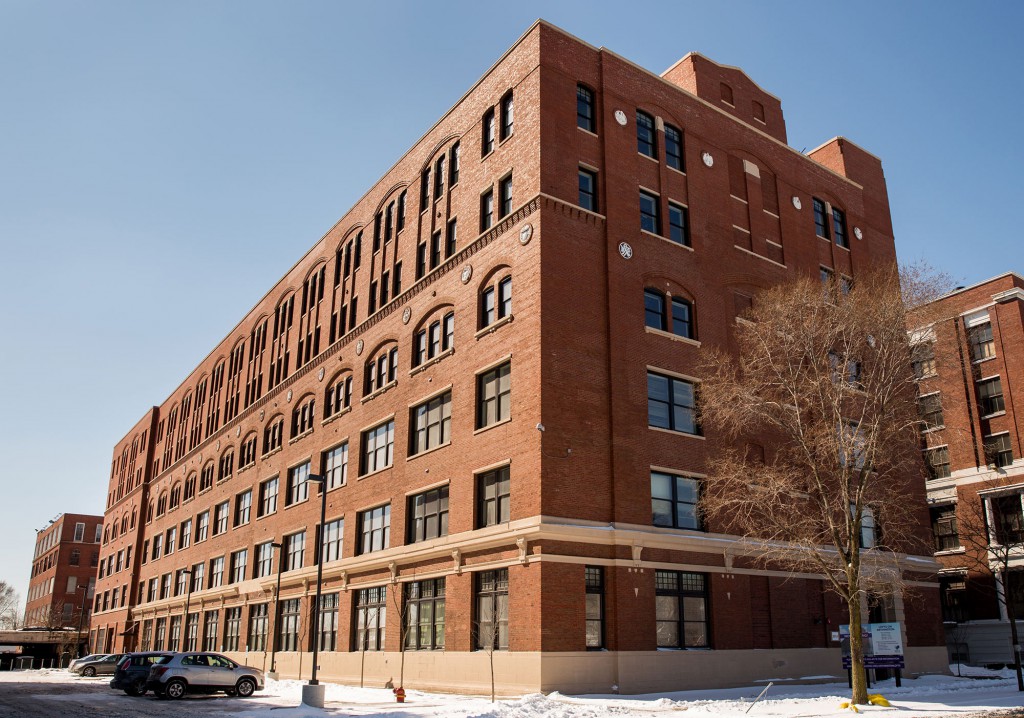 ordable units for those earning less than 30 percent of the local median income.
In an effort to develop inexpensive housing in desirable areas, numerous project developers have opted to repurpose existing buildings. Bloomberg reports the account of one such property that is 112 years in the making.
Sears Reborn
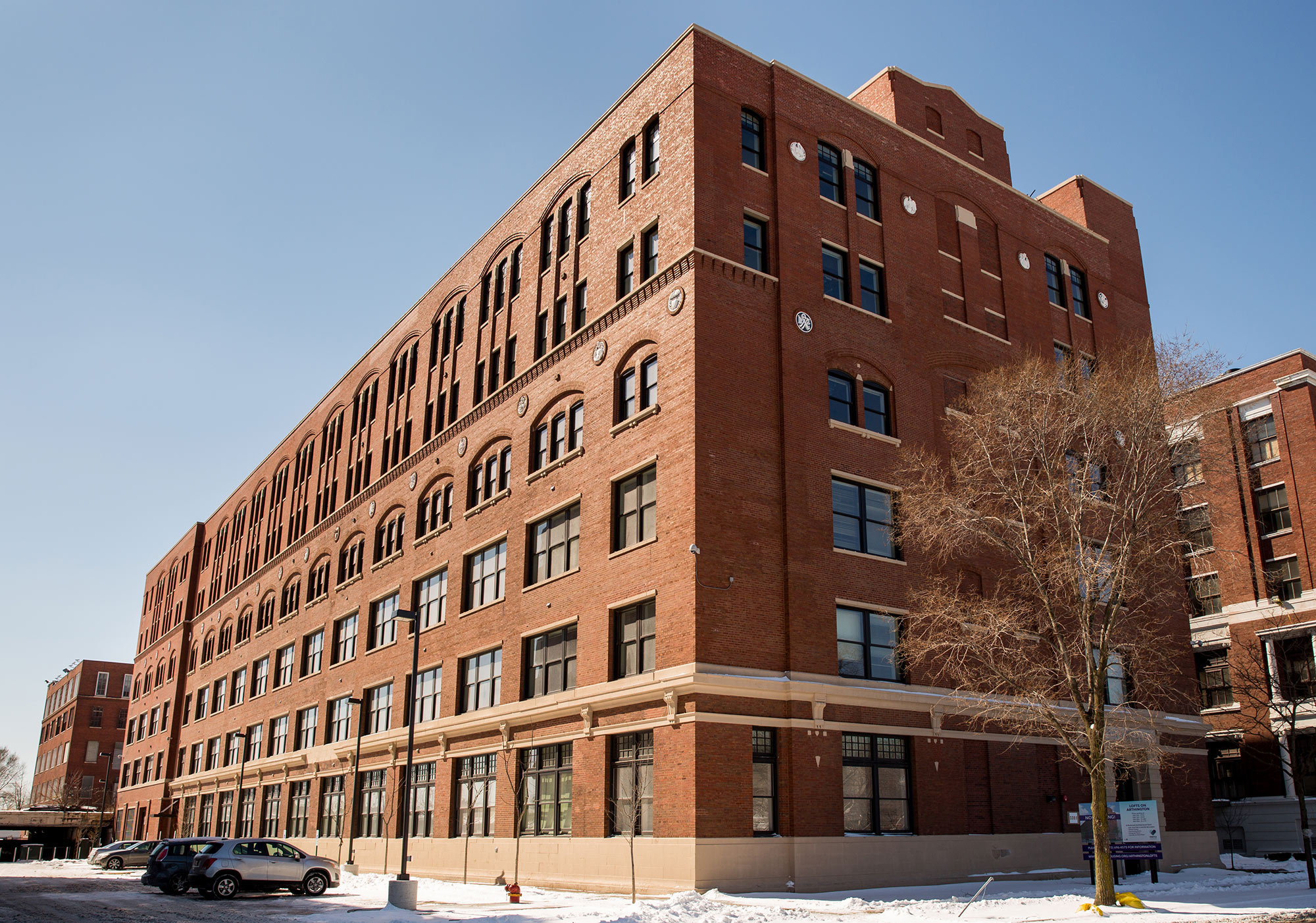
On the West Side of Chicago sprawls more than 1 million square feet of American history. Constructed in 1905, the site served as the original Sears headquarters. It includes a 14-story clock tower, a printing plant, and several additional buildings.
Sears occupied the site for 70 years before relocating to its most iconic Chicago home. The site began a slow and unsteady decline, accentuated with failed projects and abandoned spaces.
In 2014, Yardi client Mercy Housing Lakefront embarked on a new project at the site, Lofts at Arthington. It would be an affordable housing community that consists of 181 units and on-location social services. Residents would have access to childcare, public transit, and job opportunities in nearby Chicago proper.
“We were in a position to come and build affordable housing in a neighborhood with more amenities than more upscale neighborhoods could only dream of,” says Mark Angelini, President of Mercy Housing Lakefront.
The redevelopment cost about $55 million. Lofts at Arthington qualified for federal historic preservation tax credits through the National Park Service. It also received low-income housing tax credits from the U.S. Department of Housing and Urban Development.
One-third of the units are allotted for residents who earn less than 30 percent of the local median income. The remaining two-thirds have an income cap that is 60 percent of the local median income.
Lofts at Arthington opened in February 2017. For more information, visit mercyhousing.org/lakefront.
Lakefront also has plans to redevelop the adjacent Sears administration building. This site would become a mixed-income neighborhood with an emphasis on sustainability.
“[The buildings] are beautiful, they’re built like forts, and they’re well-suited to transportation. It’s really in the path of growth,” says Angelini.
The Mercy Housing Lakefront properties are only a few examples of Sears’ sites that have transformed into housing developments. The Sears & Roebuck Co. building of Atlanta was transformed into Poncey City Market, a hip urban mixed-use development. Another Sears site is slated for a mixed-used development in Santa Monica.