


 Voyager Suite
 Breeze
 Virtuoso
 Investment Suite
 RentCafe Suite
 REACH by RentCafe
 CommercialCafe Suite
 Elevate Suite
 Procure to Pay Suite
  Energy Suite
 Aspire
 RightSource
 Care Suite
 Matrix
 Yardi Kube Suite
 ScreeningWorks Pro
  Yardi Corom

















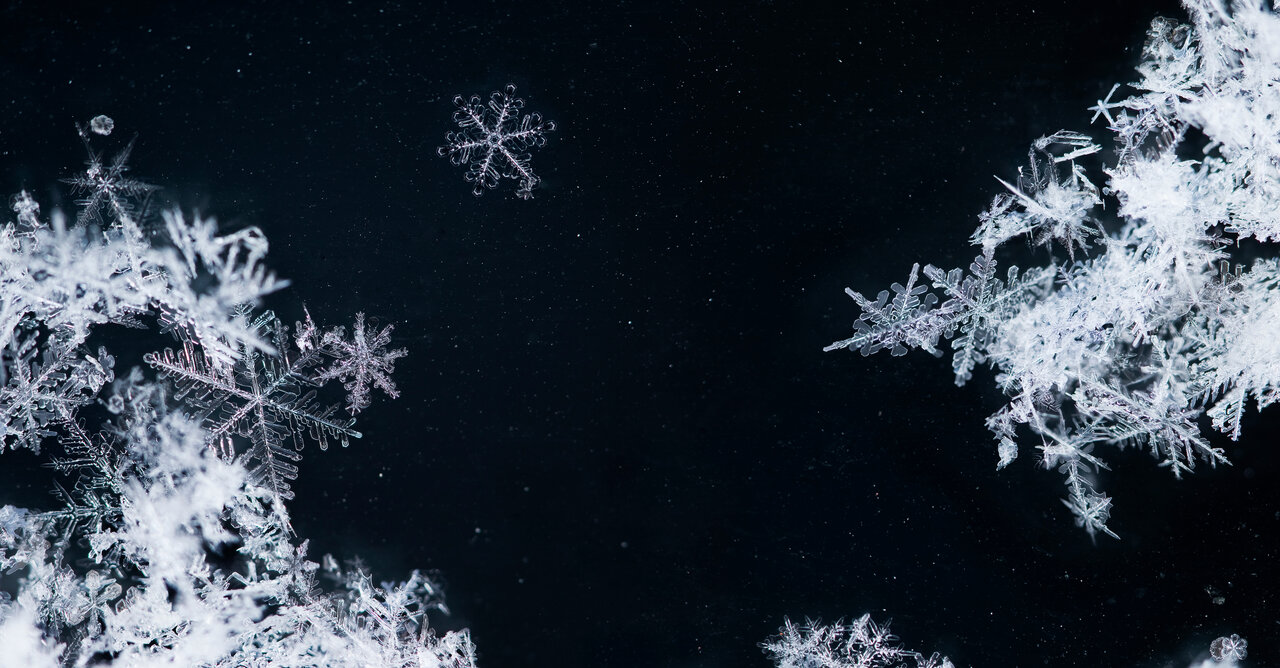
Winter is here, which means lots of snow for the Northern Hemisphere. Let’s explore the captivating world of snowflakes by delving into their intricate structure and formation.
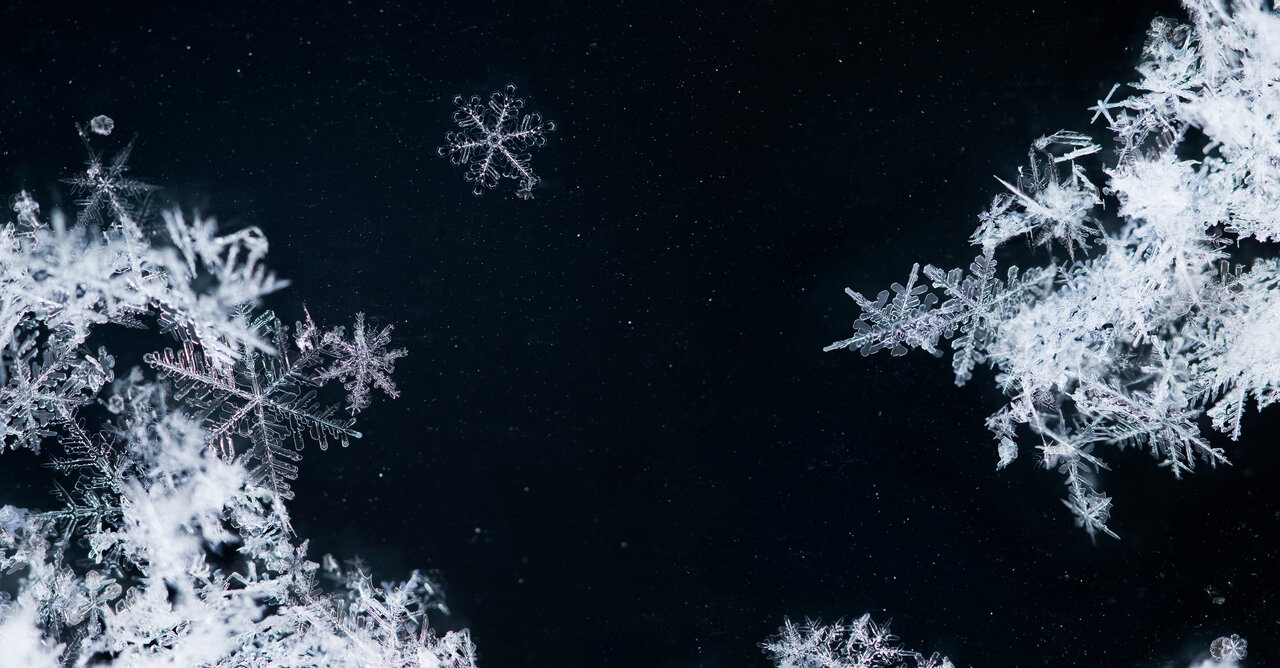
To quote Aristotle, “To appreciate the beauty of a snowflake, it is necessary to stand out in the cold.”
Snowflakes are captivating, with each delicate ice crystal’s unique hexagonal shape. The dendrite form of snowflakes is a study in water chemistry.
Professor Krystopher Chutko of the University of Saskatchewan explains, “When ice forms at the molecular level, the angle between the hydrogen and oxygen atoms will always be 120 degrees—put the three of these together to get a complete ring of molecules with a six-sided structure.
Since a growing snowflake doesn’t change too much, those attachments tend to occur evenly across the six points of the hexagonal flake. “Molecule by molecule, the snowflake grows and eventually begins to fall. This takes the snowflake to a new part of the atmosphere where temperature and humidity are different, resulting in new ice structures forming but still with the same angles,” defined Chutko. A typical dendrite is made up of about a quintillion individual water molecules. Between that and the slight changes in temperature and humidity, no two snowflakes likely form similarly, resulting in no two snowflakes being alike.
Snowflake size and shape are determined by cloud temperature and humidity. The colder the air surrounding a growing snow crystal is, the more intricate the snowflake will be. More elaborate snowflakes are grown when the humidity is high. If the temperatures within the cloud are warmer or the humidity is low, expect the snowflake to be shaped like a simple, smooth, hexagonal prism.
The mesmerizing beauty of individual snowflake patterns is incredible. Not only are these minuscule structures very intricate, but they also display a high degree of symmetry, which makes them a favorite among mathematicians. German scientist Johannes Kepler was the first to examine snow crystals with a scientific eye in the 1600s. However, he realized that the creation of complex patterns and structures from simple foundations was a worthy scientific question that scientists are still investigating today. Remember, if looking at a snowflake up close, it often appears broken, fragmented or as a clump of many snow crystals—all battle scars from colliding with or sticking to neighboring crystals during its trek to the ground.
In the 1800s, Wilson Bentley was the first to photograph snowflakes in detail, contributing significantly to our understanding of their diversity. The winter pastime became his lifelong passion, and he captured more than 5,000 snow-crystal images on glass photographic plates for forty-six years. He then teamed with W. J. Humphreys, chief physicist for the United States Weather Bureau and published a book titled “Snow Crystals” containing over 2,000 snow-crystal photographs.
Twin snowflakes have been grown in a lab, and with artificial intelligence technology gaining momentum, these fake synthetic flakes will allow scientists to understand better the processes that govern their formation and possibly learn something new.
So, look up for that frosty, flaky stuff and know you will never see that same snowflake again. Happy Holidays!