Voyager Suite
 Breeze
 Virtuoso
 Investment Suite
 RentCafe
 CommercialCafe Suite
 Elevate Suite
 Procure to Pay Suite
  Energy Suite
 Aspire
 RightSource
 Care Suite
 Matrix
 WorkCafe
 Yardi Kube Suite
 ScreeningWorks Pro
  Yardi Corom



















The advancements in today’s technology are incredible. Biologists are now discovering AI-powered genetic engineering to de-extinct animals of the last Ice Age, from wooly mammoths to the Tasmanian tiger and even the return of the dodo bird. Let’s discuss how they are doing this and what simulations and optimizations will be used to make this all possible.
Scientists and biologists are starting with the comeback of a wooly mammoth to help the endangered African elephants. These elephants have declined by nearly 90% in the past three decades. Poaching took more than 100,000 African elephants between 2010 and 2012. Using genome reconstruction optimization, AI algorithms optimize reconstructing extinct animal genomes from fragmented DNA. AI could assist in filling gaps, identifying suitable genetic material from related species and predicting genetic issues. An Asian elephant with wooly mammoth DNA would be more of a hybrid animal that looked and acted like a mammoth but shares DNA with the living species.
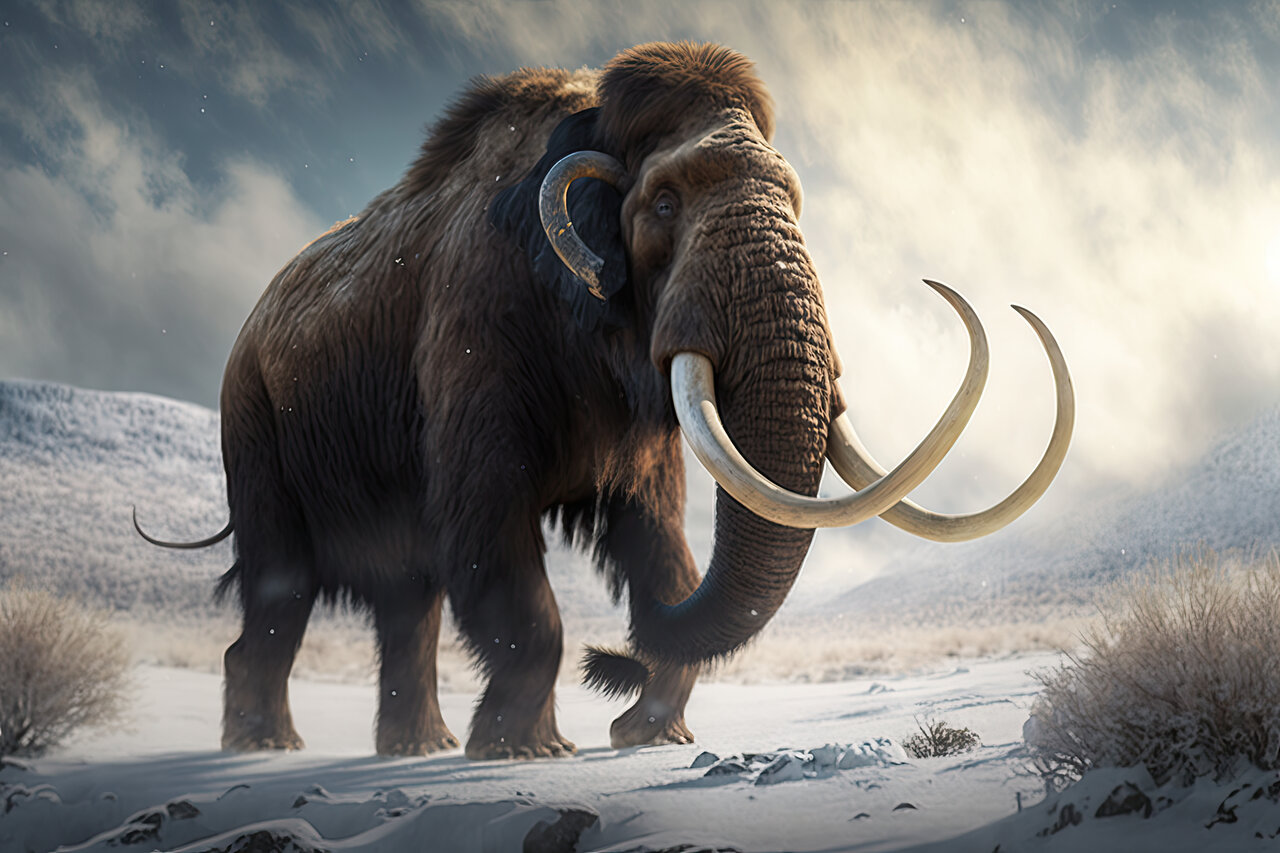
Ecosystem integration simulations create AI-driven simulations that predict how reintroduced extinct species might influence food chains, habitats and biodiversity within their ecosystems. This could help guide decision-making on whether to proceed with de-extinction efforts.
As far as genetic diversity is concerned, ethical and social implications are a part of the assessment. AI tools can gather and analyze public opinions, ethical concerns and potential social impacts of bringing back extinct animals, which will help scientists, biologists, and policymakers make informed decisions about de-extinction projects. For example, de-extinction research in Neanderthals could start a new chapter in the search for antibiotics and other valuable biomolecules, allowing scientists to harness AI and systematically explore long-extinct organisms to help us better understand life’s molecular diversity and sequence space.
Genetic diversity enhancement uses AI algorithms to guide the selection of individuals for de-extinction that maximize genetic diversity and resilience within the revived population. AI could assess genetic data to avoid potential inbreeding and increase long-term viability. In the case of wooly mammoths and elephants, researchers need to understand how different and similar these animals are to each other so that, in the future, they can create thriving populations.
Biologists believe in creating a hybrid ecosystem where de-extinct species coexist with their modern counterparts. AI could help design and manage ecosystems, ensuring a balanced and sustainable environment and implementing AI-powered monitoring systems that track reintroduced extinct animals’ behavior, health and interactions in real time. This data can inform ongoing management and potential genetic adjustments. In real life, we want to avoid ending up in a Jurassic World situation and the extinct animals overpower and take over the planet.
Scientists are predicting evolutionary trajectories using AI to model potential evolutionary paths for revived species over long periods. This could help scientists anticipate how the reintroduced animals might adapt and change in response to environmental shifts. The world is changing daily with the ice caps melting and global warming, so bringing back an extinct animal from the Ice Age would have to adapt to those changes.
Remember that de-extinction is a complex and ethically challenging field involving scientific considerations and legal, ecological and societal implications. Collaboration with experts from various disciplines is crucial in responsibly pursuing de-extinction efforts.