

 Voyager Suite
 Breeze
 Virtuoso
 Investment Suite
 RentCafe Suite
 REACH by RentCafe
 CommercialCafe Suite
 Elevate Suite
 Procure to Pay Suite
  Energy Suite
 Aspire
 RightSource
 Care Suite
 Matrix
 Yardi Kube Suite
 ScreeningWorks Pro
  Yardi Corom

















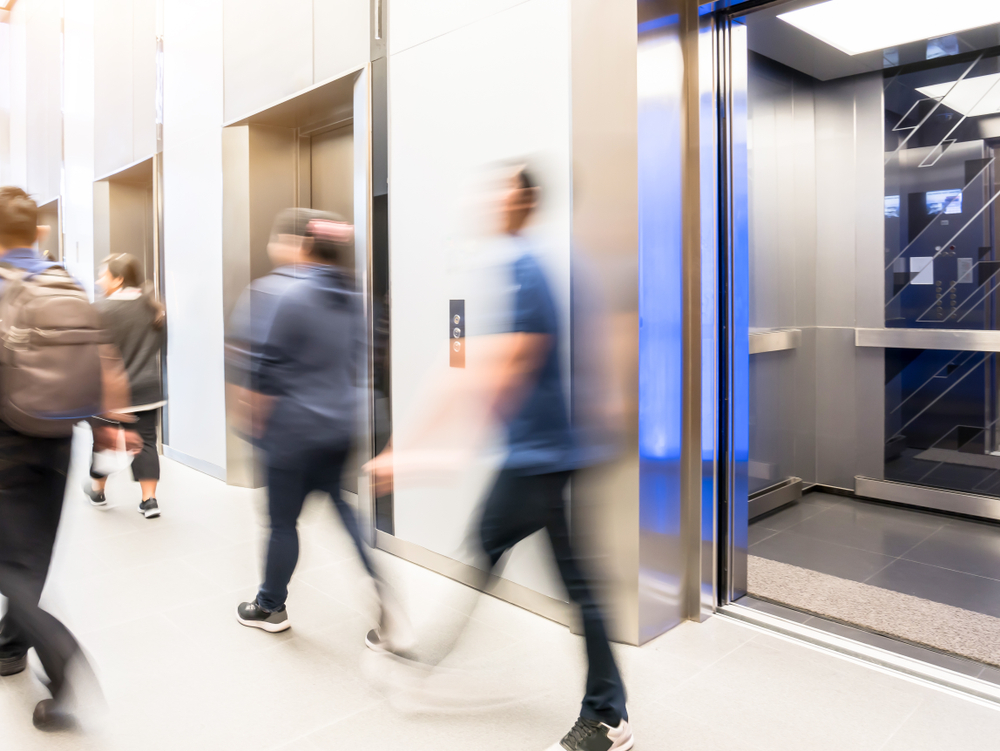
Developers, property owners and architects have a new tool available for building design. The Virtual Building Service, an innovation from Budapest-headquartered EIT Digital, creates digital simulations to test and optimize people flow and building occupancy.
IBM and KONE, a company that specializes in the elevator and escalator industry, have partnered in the initiative, with KONE acting as business owner and activity leader. The service is designed to make it easier for real estate professionals to design buildings that are financially attractive, while maximizing shared spaces. Simulation data will be collected in real time by sensors, while new facilities will have to rely on input from previous studies.
“Our simulation capability is much improved. We can, for example, simulate people flow in the lobby of an office building; understand how that might look along with the waiting times for the elevators,” said KONE’s head of People Flow Optimization Juha-Matti Kuusinen. “Not only can we calculate a building’s efficiency, but we can also benchmark it with similar buildings and conclude if the building is performing very well or if there’s room for improvement.”
KONE had focused its efforts on vertical efficiency, such as people moving from floor to floor. In tall buildings, elevator group control systems select which elevator to dispatch to each request, aiming to minimize waiting times. These systems could be upgraded by forecasting future traffic based on historical statistics.
“We realized, however, that if you don’t design end-to-end people flow, including the horizontal people flow, it is difficult for our customers to judge whether their buildings are really efficient. This is why we started to explore the optimization of the total people flow, combining both the horizontal and vertical dimensions,” added Kuusinen.
Tarmo Kekki, executive partner at IBM, said the simulator is a new way to visualize and improve people’s experience in high-rise buildings. The simulation capability will develop further over time. Right now, the goals is to add new features to the application for people flow planning and consulting.
Later on, the simulator will be connected to sensors able to provide real-time data about the building’s condition, which will allow KONE to test new services that will be offered across the building’s life cycle.