


 Voyager Suite
 Breeze
 Virtuoso
 Investment Suite
 RentCafe Suite
 REACH by RentCafe
 CommercialCafe Suite
 Elevate Suite
 Procure to Pay Suite
  Energy Suite
 Aspire
 RightSource
 Care Suite
 Matrix
 Yardi Kube Suite
 ScreeningWorks Pro
  Yardi Corom

















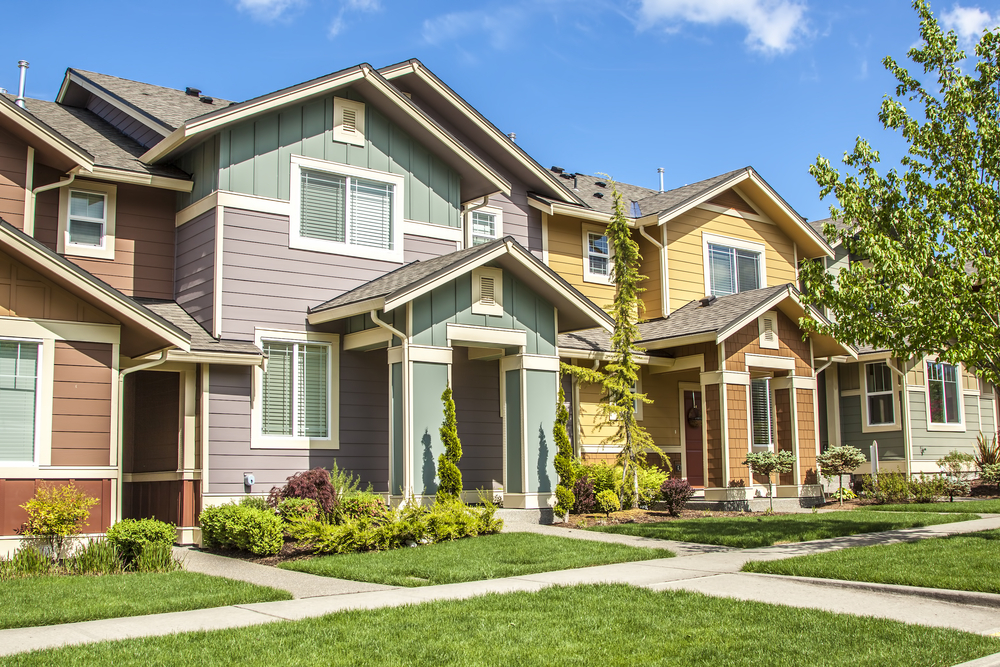
The toll of gentrification on local property owners has been well documented in recent years. What has escaped the headlines, however, are alternatives to gentrification that permit the natural ebb and flow of neighborhoods without affecting their longstanding members. Community land trusts are regaining po pularity as a way to keep affordable housing in some of the nation’s most desirable neighborhoods.
Community land trusts (CLTs) first launched during the early years of the American civil rights movement. Activist Robert Swann aimed to purchase land with the intention of letting black sharecroppers develop it and settle there. By 1969, he and his team purchased 5,000 acres in Lee County, Ga for their cause.
To date, there are 243 community land trusts in the United States. While the demographic that they serve has expanded, the basic premise remains the same. CLTs are non-profit organizations comprised of a board of directors, leaseholders and target community members. The nonprofit facilitates the long-term availability of affordable housing through a two-fold approach: first the nonprofit purchases land that can be used to build affordable housing or food production for the community. When the lot is used for housing, the nonprofit builds a property on the land and creates a fixed-rate lease for the homeowner. Leases traditionally last 99 years. The CLT can force repairs on the home and intervene if the leaseholders are at risk of default. The nonprofit owns the land, ensuring that it won’t be sold to developers in the future. It also owns the house, ensuring that it will not be sold at market rate.
CLTs allow low-income residents to earn equity on the home, which can be the difference between financial success and financial strain in a neighborhood that is undergoing gentrification. The fixed-rate lease also keeps prices low for the next buyer. CLT communities provide low-income residents the opportunity to live near metropolitan job hubs, offering a wealth of resources such as public transit, health care facilities, libraries, and public schools.
So why aren’t here more CLTs? In the 1980s, the US experienced a spike in CLTs but the concept soon fell out of favor. Banks rarely had guidelines for land loans that exclude the properties on the land. Tax assessors determined taxation based on similar properties in the area rather than on the value of the homes in CLT leases. Even when both of those provisions were in place, some CLTs had trouble securing the funding needed for the initial land purchase and home developments (though the system is designed to fund itself once it is in place).
Regardless of the odds, some nonprofits are pursuing CLTs in an effort to preserve and expand America’s affordable housing inventory. The Atlantic recently reported on the efforts of Guadalupe Neighborhood Development Corporation (GNDC) in East Austin. The neighborhood has seen home values triple within the past decade, forcing many minorities and low-income families out of the neighborhood. Austin’s 1928 Master Plan relegated the east side of town for blacks. By the new millennium, gentrification took root, forcing out families that had lived in the area for decades.
GNDC took a stand by investing in a CLT. The organization currently has three land trust properties and 25 lots. With its skills and resources constantly on the lookout for opportunities, GNDC aims to build more land trust homes in an effort to preserve diversity and opportunity in some of Austin’s most desirable areas.
GNDC is only one indicator of the increased interest in CLTs. Many affordable housing communities are seeking to establish CLTs—whether their neighborhoods are facing immediate gentrification or not—because all affordable housing may one day be at risk of the latest real estate trend.
Melora Hiller, the executive director of the Community Land Trust Network explains, “Certainly since the recession, there’s been a huge increase and interest. We are constantly getting phone calls from resident groups who are interested in seeing if a community land trust would work for them.”
CLTs aren’t feasible everywhere just yet. In order for a CLT to be successful, states must:
- make land trust properties tax-free or reconfigure assessment of property tax values
- pass a bond to raise money for affordable housing
- encourage banks to create CLT-friendly loan options within their states
In the Unites States, 33 states currently have provisions in place for CLTs. That’s a terrific start, but it leaves 34 percent of the nation in need of reform. Though not all CLT communities have been successful, many have. They present themselves as a viable plan to address America’s struggling affordable housing market.