


 Voyager Suite
 Breeze
 Virtuoso
 Investment Suite
 RentCafe Suite
 REACH by RentCafe
 CommercialCafe Suite
 Elevate Suite
 Procure to Pay Suite
  Energy Suite
 Aspire
 RightSource
 Care Suite
 Matrix
 Yardi Kube Suite
 ScreeningWorks Pro
  Yardi Corom


















Asbestos, a mineral present in certain types of rocks, was widely used in buildings and consumer products starting in the 1800s. Prized for its strength, durability and resistance to heat and corrosion, asbestos served decorative, insulation or fireproofing purposes on decks, roofs, ceilings, plumbing pipes, attics and more, along with automobile components, fabrics and packaging.
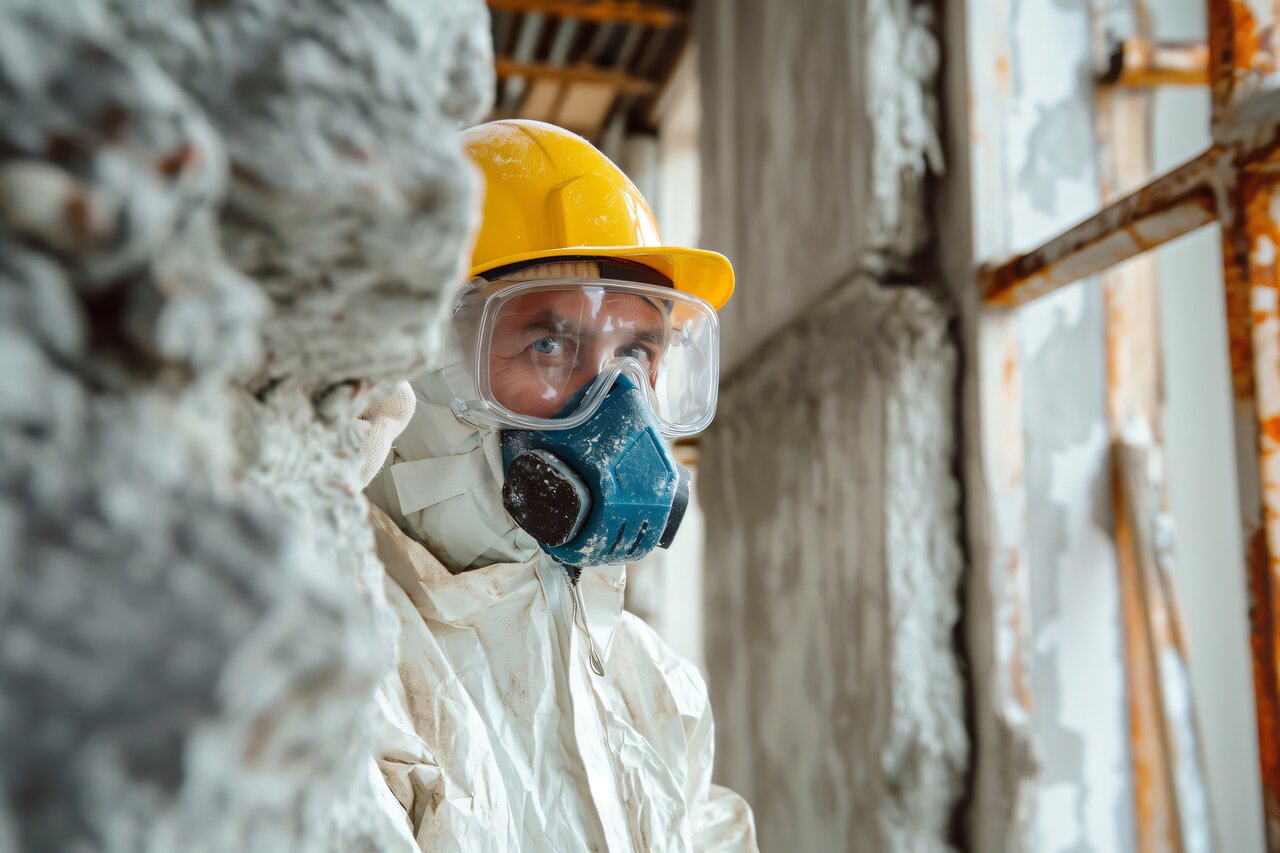
About 20% of all public and commercial buildings in the U.S. contain some asbestos material, according to the U.S. Environmental Protection Agency (EPA).
But the substance was eventually linked to cancers and other diseases of the lung, mouth, throat and other areas, prompting dozens of countries to ban it. A series of U.S. regulations since the 1970s has limited its use, and the EPA continues to set risk evaluation and compliance deadlines to phase it out.
Seek expert evaluation, handling
If you live or work in a structure built before the 1980s, asbestos may be present in such places as “popcorn” ceilings or vinyl flooring. Does that put you in danger? Not necessarily.
“Even if asbestos is in your home, this is usually nota serious problem because generally, material in good condition will not release asbestos fibers. The mere presence of asbestos in a home or a building is not hazardous,” according to the U.S. Consumer Product Safety Commission (CPSC). “Material that is in good condition and will not be disturbed (by remodeling, for example) should be left alone.”
The potential for harmful exposure comes when asbestos materials become damaged over time or are disturbed during construction, demolition, maintenance or renovation. These actions can release microscopic fibers that workers, tenants and residents can absorb into their lungs.
It’s not possible to tell whether a material contains asbestos just by looking at it. Therefore, property owners, managers or occupants who suspect its presence, or who are planning renovations or remodeling, should seek out professionals with specialized training and equipment for identifying and handling asbestos.
The only way to confirm asbestos is to have a sample examined under a microscope by a certified laboratory. Once it’s detected, the specialists can determine the best option, which can mean encapsulating, enclosing or removing it.
See asbestos guidance for property owners and managers from the EPA and the CPSC.