


 Voyager Suite
 Breeze
 Virtuoso
 Investment Suite
 RentCafe
 CommercialCafe Suite
 Elevate Suite
 Procure to Pay Suite
  Energy Suite
 Aspire
 RightSource
 Care Suite
 Matrix
 WorkCafe
 Yardi Kube Suite
 ScreeningWorks Pro
  Yardi Corom



















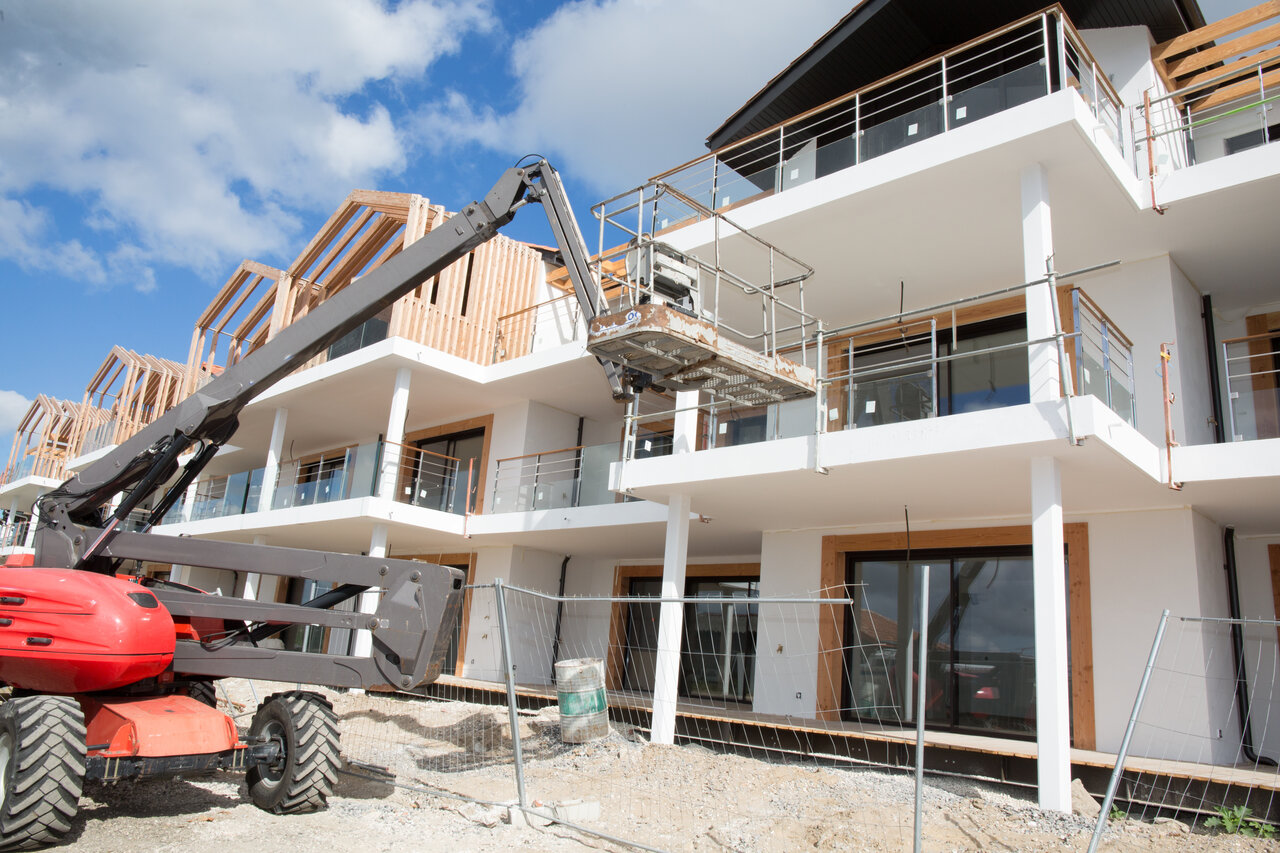
The 46th edition of trends and forecast publication Emerging Trends in Real Estate® is out. Compiled by PwC and the Urban Land Institute, this report details trends in real estate investment and development, finance and capital markets, property sectors and other key issues in the U.S. and Canada. The report incorporates contributions from Yardi Matrix and CommercialEdge.
Here are excerpts from the report:
Multifamily: Focus on affordability
Supply will dominate apartment market conversations in 2025. Some experts remain bullish on the prospect of ongoing strong demand over the next few years due to strong job growth, favorable demographics, immigration, the high cost of homeownership and the lack of single-family inventory. However, a growing number of renters are cost burdened, underscoring the need for more market-rate and affordable supply.
Industrial: Demand lags supply
When the pandemic prompted a dramatic surge in online shopping, the industrial sector experienced a significant shortage of warehouse and third-party logistics facilities. Developers responded with record construction. More than 1 billion square feet of new product was added in the last two years alone, far exceeding prior records.
Net absorption has been positive, but demand has not kept pace with new supply, so the amount of vacant space continues to grow.
Retail: In rebound mode
Few foresaw the strong rebound in demand for physical retail space that occurred following the 2020 pandemic year and drove retail vacancy rates below levels not seen in more than a decade.
The number of distressed chains either liquidating or seeking debtor protection increased more than 50% in 2024. “Thus, while retail sales have remained in positive territory since 2020, the impacts of the recent inflationary wave and resultant money tightening policies have taken a toll,” but “overall occupancy growth trends remain in strongly positive territory,” the report says.
Another key challenge is construction costs, which remain significantly above pre-pandemic levels.
Office: Anticipating the next cycle
Few experts expect office space demand to return to anything approaching pre-pandemic levels. Five years into the hybrid work era, the office market remains highly fragile. Demand is weak, the vacancy rate keeps rising, expenses are high and the return to office trend has plateaued.
“Occupier and investor sentiment are expected to remain weak in 2025, but the market is getting close to a bottom that could spur the next cycle,” the report says.
While companies continue to cut back on office space, many are rethinking the best use of space and developing strategies for the amenities and technologies that will create a more effective user experience. Some urban centers seeking revitalization will focus less on office space and more on residential, retail and entertainment.
Despite the negatives, “the people we interviewed say the bottoming out, which is necessary to start the next rebound cycle, is getting close and could come as early as 2025,” the report states.
Senior living: Active adult rental market growth
Starting in 2023, the population growth of the 80+ population outpaced the level of inventory growth in the senior living sector. “This supply-demand tension sets up an environment ripe for innovation and strategic positioning for the next chapter of senior housing development,” according to the report.
With nearly half of senior living properties now 25 years old or older, the current inventory presents new opportunities to revamp. The active adult rental market is growing and garnering interest from developers, investors and operators.
Self storage: Growing appeal
Over the past decade, the self storage sector has grown not only in size but in investment appeal and operational complexity. Since 2014, the amount of physical self storage space in the U.S. has expanded by 40%, while the number of yearly investment transactions has jumped 200%.
“The sector overall is benefiting from favorable short- and long-run demand drivers,” such as baby boomers’ downsizing and millennials’ growing discretionary spending, the report says.
Technology: Playing a broader role
Seventy-seven percent of investors surveyed for Emerging Trends plan to maintain or increase their investments in proptech over the next 12 months. Key areas of emphasis include document abstraction; marketing tools for generating listings, space plans and more; AI chatbots that drive improved communication, tour scheduling, lead processing; and resident engagement.
“Many of real estate’s inherent characteristics—data-rich environment, process-intensive operations, regulatory complexity, and need for personalization—make the industry particularly ripe for advanced AI integration,” the report says.