Voyager Suite
 Breeze
 Virtuoso
 Investment Suite
 RentCafe Suite
 REACH by RentCafe
 CommercialCafe Suite
 Elevate Suite
 Procure to Pay Suite
  Energy Suite
 Aspire
 RightSource
 Care Suite
 Matrix
 Yardi Kube Suite
 ScreeningWorks Pro
  Yardi Corom

















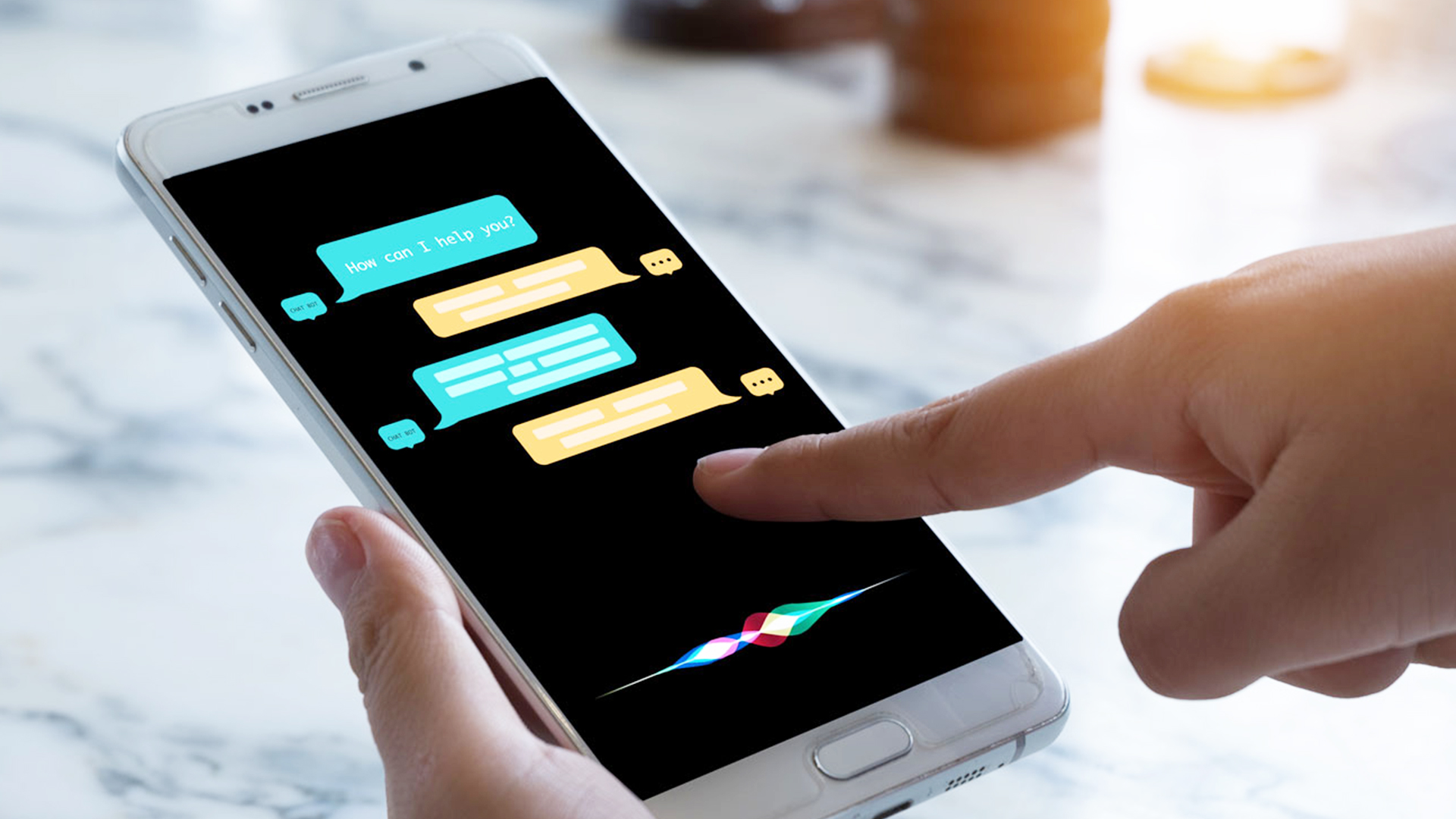
Imagine never picking up the phone to answer prospects’ questions yet still receiving stellar reviews for customer service. Can you see a future where residents only visit the leasing office for friendly conversation? All their questions, concerns, and feedback are addressed without consuming staff time. Chatbots are bringing these seemingly unrealistic expectations to reality—and it’s time for multifamily to reap the benefits.
What’s a chatbot and why should I care?
A chatbot is an interactive application that relies on artificial intelligence to assist humans. Quality chatbots mimic human communication by using personable language when engaging with users via websites, apps, and text messages.
Multifamily housing providers use chatbots to reduce operational costs while improving responsiveness to clients’ needs. Advanced chatbot auto-response systems promptly assist clients without human intervention. Chatbots can guide prospects through the leasing process, assist residents with online bill pay, submit maintenance requests, and issue lease renewals without consuming a second of a leasing agent’s time. As a result, chatbot users can experience improved resident satisfaction and retention.
Your competition is likely benefiting from this technology
At the end of 2018, about 66.4 million chatbots were in use in the US. That’s a 40 percent boost over 2017’s data. The implementation rates continue to climb. A Spiceworks survey revealed that 40 percent of companies employing more than 500 people implemented one or more chatbots over corporate mobile devices this year. About 80 percent of marketers will implement a chatbot by 2020, estimates Oracle.
The popularity of chatbots stems from their effectiveness. They are responsive, patient, and impartial. According to NICE inContact’s 2018 CX Transformation Benchmark, 33 percent of consumers report that chatbots made issue resolution faster.
Users also appreciate the responsiveness, convenience, and reliability of chatbots. AI communication is more efficient than email yet still maintains a written record of the conversation that can be emailed to users. Chatbots are more convenient than phone calls because they offer assistance 24/7. This combination of features has helped to establish trust between users and AI.
Trust matters. Millennials favor chatbots though adults of all ages are increasingly comfortable with chatbot interaction, even for expensive purchases like an apartment. A Drift survey suggests that 13 percent of adults purchased at least one expensive item using a chatbot and 27 percent have purchased daily necessities.
A new-ish technology is already improving
Technically, the first chatbot was created in 1966. It felt very much like talking to a robot that had the conversational and comprehension skills of a toddler. But that noble program paved the way for the powerhouses of today. Modern chatbots are equipped with machine learning which makes them more sophisticated than their predecessors—and their technology is improving by the second.
When artificial intelligence is paired with machine learning, a chatbot gathers data from each interaction with users and analyzes that data to improve future experiences. Chatbots learn, in a sense, to be more helpful and more natural in their engagement with humans.
For example, a chatbot can answer most questions about a property or unit such as square footage, layout, rent rates, pet policies, and amenities. When they encounter questions that they cannot answer, they send a report to operators and improve their services in the future. Each interaction improves future interactions.
Additionally, chatbots deliver information promptly and as frequently as prospects request it. Unlike humans, chatbots can repeat information and receive a multitude of questions without a change in temperament or feeling pressed for time. As a result, customer service scores will not be affected by a representative’s mood or tone.
What does the future look like?
Business Insider reports that 80 percent of enterprises will use chatbots by 2020. Organizations benefit from improved communication between companies and consumers without increasing the manpower needed to handle rote tasks. AIs ability to communicate and handle tasks will become more sophisticated.
Natural language processing enhances the usage of chatbots in multifamily settings. The robots are learning to better understand how users phrase inquiries, adjust to regional accents, and respond in a wider variety of languages. Omnichannel communication streamlines client interactions so that a single user record accompanies each prospect through the leads to leases process. With chatbots, multifamily firms can improve the client experience without significant increases to staff, training, and related overhead costs.
The future is interesting and holds much opportunity for our industry and the next generation of conversations. How do you think that chatbots will influence multifamily?