


 Voyager Suite
 Breeze
 Virtuoso
 Investment Suite
 RentCafe
 CommercialCafe Suite
 Elevate Suite
 Procure to Pay Suite
  Energy Suite
 Aspire
 RightSource
 Care Suite
 Matrix
 WorkCafe
 Yardi Kube Suite
 ScreeningWorks Pro
  Yardi Corom



















Once you’ve chosen a blogging platform and written content, the next s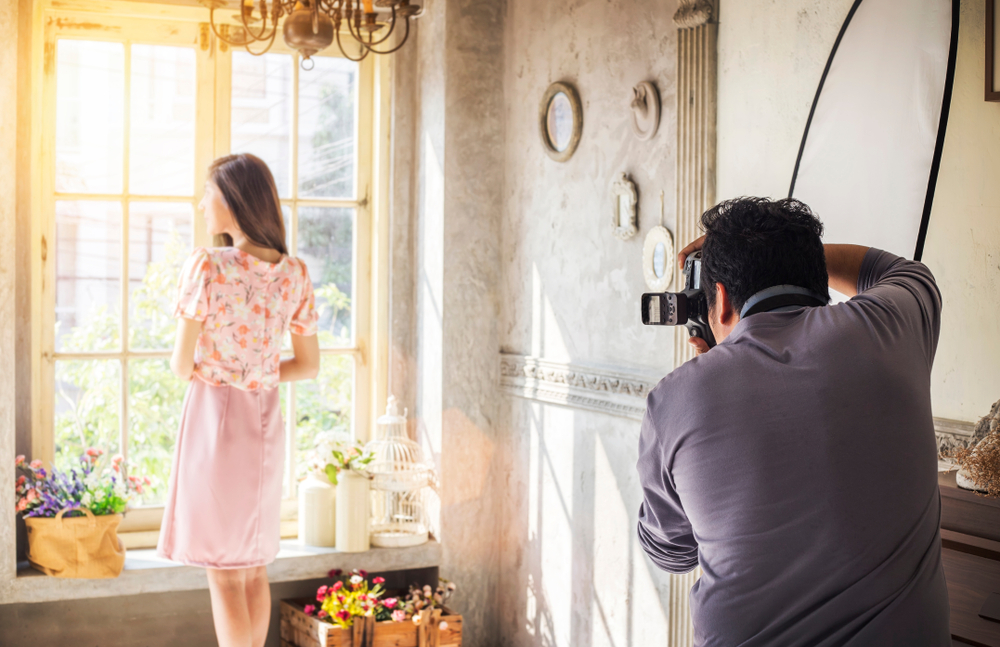 tep in creating an engaging blog post is to include great media. Media includes visuals such as photographs, infographics, illustrations, and videos. For today’s post, we will focus on photography.
Most modern smartphones are adequate to take a great image for blog posts and social media use. (If a staff member is competent with a DSLR camera and lighting tools, even better!) The tips below will give your images a professional touch.
Select a Subject
The subject of your blog post image will be influenced by the content of your post.
Let’s say that you were writing about nursery safety as proposed in our prior post. Perhaps you choose to take a photograph of the nursery in your model unit. This subject is ideal because it’s relevant to the topic. Secondly, it’s a great choice because it is a custom photo taken on your property rather than a stock photo. Such an image showcases your product and what you have to offer residents and prospects.
Identify Location and Lighting
The best location for your image necessitates excellent lighting. It doesn’t matter how cool the location is if the lighting makes your image look murky or blurry.
Indirect natural light is best. Directly natural light (i.e. sunshine at noon) can cast harsh shadows on your subject, especially faces. When shooting an image indoors, also pay attention to the way that the lighting casts shadows on your subject.
In addition to great lighting, minimal background clutter is another key to a great location. Trash cans, signs, and unkempt landscaping can distract viewers from the subject.
Includes Life Forms—Always!
When it comes to your property blog, pictures with living creatures—humans, pets, or wildlife—are always more interesting than vacant spaces.
Returning to the nursery example, an image of an empty nursery won’t attract as many eyeballs as an image of a nursery with people in it. Perhaps you choose to photograph a child playing with a puppy. The child and puppy capture the viewers’ attention. As an added bonus, showing a puppy reminds residents and prospects that your property is pet-friendly!
Capture Activity
Movement adds an additional dimension of visual interest to your photograph. It takes the subject and shows it interacting with other subjects or your carefully chosen location.
For example, avoid having the child and puppy smile blankly into the camera. Rather, have the child and puppy play together. The movement of the puppy and the genuine reaction of the child create more visual interest than a staged pose.
Scale for Quality
Finally, insert your digital image to the blog post. The size of your image depends on a few factors.
First, check the blog theme’s requirements for its “featured image” size. Then make sure that your image looks good at that size: never enlarge an image to a size that distorts its quality, so that it looks pixelated or grainy. If you have wiggle room with the size, err on the side of grandeur.
What features made some of your most engaging blog post photos? Share your photography insights below!