Voyager Suite
 Breeze
 Virtuoso
 Investment Suite
 RentCafe
 CommercialCafe Suite
 Elevate Suite
 Procure to Pay Suite
  Energy Suite
 Aspire
 RightSource
 Care Suite
 Matrix
 WorkCafe
 Yardi Kube Suite
 ScreeningWorks Pro
  Yardi Corom



















As multifamily real estate continues to adapt to new standards of social distancing and uncertain economic times, a longtime asset management executive sees signs of positive momentum for the industry.
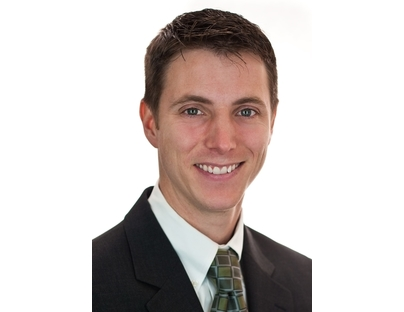
Greg Slang is executive vice president of asset management at KETTLER, a national recognized developer/owner/operator of multifamily assets in the Washington D.C. region as well as Florida and the Carolinas. With a portfolio that includes apartments in all asset classes from affordable to A+, Slang is positioned to observe the impact of the COVID-19 pandemic across property types and resident experiences.
He recently sat down for an interview with Dhar Sawh, industry principal at Yardi, to speak about multifamily’s adaption to the changing times and KETTLER’s particularly swift response. You can listen to the full commentary here.
Having worked through 9/11 and the Great Recession of 2007-2008, Slang provided an insightful look at the state of the multifamily industry from an asset management perspective.
Among the topics covered in his interview: remote work, resident considerations during COVID-19, and what to look out for next.
“This all happened very quickly,” said Slang. “It has been very difficult from a shock perspective. I liken it to 9/11, where one day all seems to be fine, and the next day, the whole world seems to be thrown into disarray.”
Multifamily has reacted quickly to the social distancing circumstances required by COVID-19, incorporating the use of virtual tours, online leasing and other proactive measures. The only things that truly can’t be resolved remotely are major maintenance concerns. Slang said that the KETTLER team has reacted well to working remotely and is continuing to serve their residents effectively from a safe distance. That may be the norm in the months to come, he noted.
“We were very surprised at how many people were leasing sight unseen. I was not expecting that,” said Slang. “Whether you are in class A B or C there are a lot of prospects who have to lease and don’t have the luxury of waiting for this pandemic to be over. Online conversions are at an all-time high.”
As states start to return to business as usual and multifamily staff returns to the office, Slang believes that the desire for contactless marketing and leasing will remain strong.
“We make very big decisions about vacations online without ever having seen the destination or the hotel. I would love (for multifamily) to be able to move more in that direction and ensure that prospects feel confident enough to make those decisions remotely. It may be out of necessity now, but it may be out of convenience going forward.”
Stay up to date on the multifamily industry’s response to COVID-19 and how virus response is changing the way residents are served and work gets done.
- Hear the full conversation between Dhar Sawh and Greg Slang.
- View the most recent Yardi Matrix multifamily market webinar here.
- Join a May 12 webinar from Yardi: Operational Strategies for Business Continuity and Recovery in Residential Real Estate, presented by Dhar Sawh. The session will guide you through operational considerations and strategies that will aid with day-to-day operations and recovery after the crisis subsides. Register here.