

 Voyager Suite
 Breeze
 Virtuoso
 Investment Suite
 RentCafe Suite
 REACH by RentCafe
 CommercialCafe Suite
 Elevate Suite
 Procure to Pay Suite
  Energy Suite
 Aspire
 RightSource
 Care Suite
 Matrix
 Yardi Kube Suite
 ScreeningWorks Pro
  Yardi Corom

















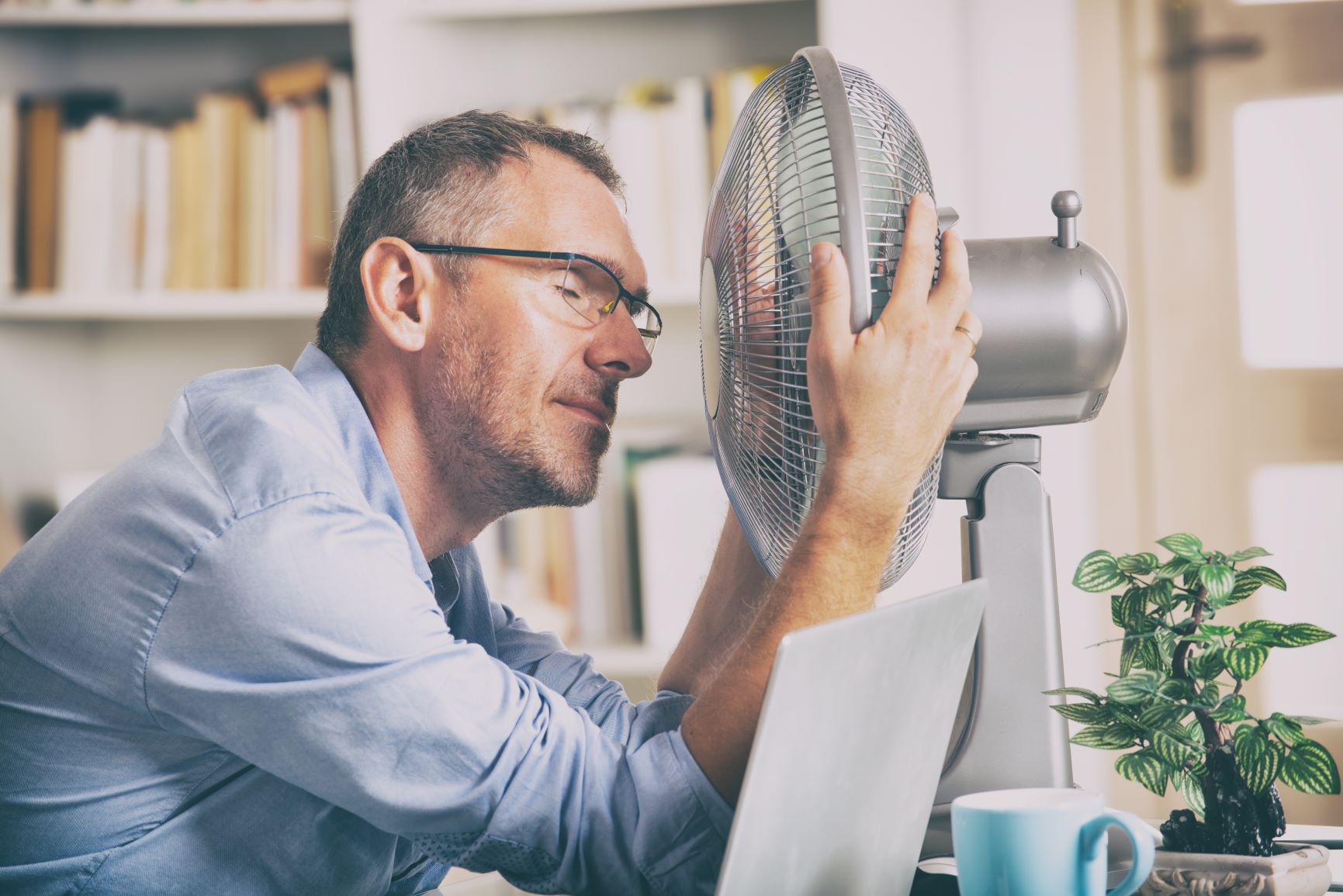
Thermal comfort can impact your tenants’ desire to renew their leases. Additionally, a commercial property with low thermal comfort may indicate inefficiencies in its climate controls or building envelope. High turnover and an inefficient building will adversely affect your bottom line.
Thermal Comfort + Your Bottom Line
The American Society of Heating, Refrigerating and Air-Conditioning Engineers defines thermal comfort as the condition of mind that expresses satisfaction with the thermal environment. It is subjectively assessed by using the Comfort Scale or Thermal Index, both of which evaluate temperature, humidity, air velocity, and radiant temperature.
As comfort is subjective, a commercial building’s thermal comfort ranking will vary from person to person. Health and Safety Executive recognizes an international standard which suggests that a building has “reasonable comfort” when at least 80 percent of its occupants are thermally comfortable.
Improving Thermal Comfort in Commercial Properties
There are three ways to notably improve tenant comfort and protect your investment:
1. Identify and Fix Leaks Address leaks in the building envelope. Contact a contractor to identify areas where your heating and cooling efforts are defeated by oversights in construction or maintenance. Resealing windows and adding weather stripping to doors, for example, are two quick fixes for drafts.
Leakage significantly decreases the energetic efficiency of an HVAC system. As a result, the HVAC system may be working overtime to regulate indoor conditions. Have your units ad ducts regularly inspected for optimal performance. Also consider an automated HVAC fault detection which can save you 5-10 percent on utility costs.
2. Check for Adequate Insulation Ideally, the site was insulated to code during construction. When a building does not perform well, though, it may be worth a recheck. This is especially true for older buildings and properties that have changed designations, such as a large residential estate that is now office property.
3. Optimize Your Systems
Intelligent HVAC optimization can also help you lower utility costs while improving tenant comfort. Software connected to smart sensors and other equipment continuously monitors mechanical systems to ensure a facility uses the minimum amount of energy required to satisfy heating and cooling loads without compromising occupant comfort. Additionally, you can use HVAC optimization to save money without increasing complaints by automating demand response to reduce or shift electricity usage during peak periods in response to time-based rates or other financial incentives.