


 Voyager Suite
 Breeze
 Virtuoso
 Investment Suite
 RentCafe Suite
 REACH by RentCafe
 CommercialCafe Suite
 Elevate Suite
 Procure to Pay Suite
  Energy Suite
 Aspire
 RightSource
 Care Suite
 Matrix
 Yardi Kube Suite
 ScreeningWorks Pro
  Yardi Corom


















Many companies are returning workers to their offices and sending them to conferences and other gatherings. Is remote work, done by more than 70 percent of workers who can work remotely according to Pew Research Center, passing or permanent in the work environment?
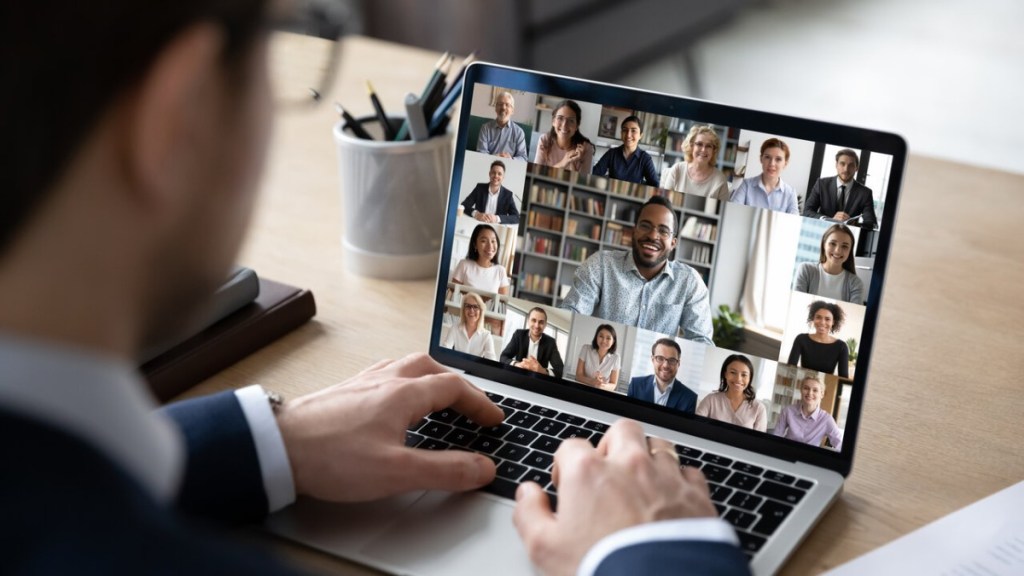
Just a decade ago, working from home was the exception, usually allowed only in select cases. It took time for teleconferencing technology to advance to the point where occasionally working from home became more acceptable and normal.
“Ten years ago, remote employment basically meant a telemarketing or customer service position at below minimum wage,” said Samantha Lambert, director of human resources for New York City website design company Blue Fountain Media. “It rarely was connected with a full-time career.”
Then came the pandemic. The outbreak prompted many employers to shift to a predominantly remote work model to limit spread of the coronavirus and comply with distancing mandates. Along with supporting public health, companies saw an opportunity to save money by cutting down on expensive office space while allowing workers the freedom to create their own schedules and work from wherever they please. Eighty-three percent of employees responding to a workplace survey in 2021 reported that a hybrid model combining remote with time in the office that accommodates both business needs and employee desires is optimal.
Tech options
Zoom, Microsoft Teams and other systems gained new prominence during the pandemic and cemented remote work into the American economy.
“Now, technology affords us the ability to get the same job done, no matter where in the world we are. [It has] enabled us to be in contact with co-workers or clients at any time,” Lambert says. “This technology has advanced so quickly that many companies have even done away with traditional offices and instead run their businesses out of coworking spaces to accommodate their largely remote workforce.”
Looking to maintain productivity with a widely dispersed workforce, many businesses are turning their attention to incorporating remote work into their strategies for staff efficiency and collaboration. “Leaders must prioritize workplace innovation by finding ways to replicate the spontaneous idea-sharing and cross-team collaboration found in office environments” while maintaining security without an oversized IT infrastructure says virtual event platform provider GBI Impact.
Artificial intelligence and machine learning also will likely play a significant role in the future of remote work, such as Microsoft Teams’ voice recognition technology that generates transcriptions and attributes remarks to the speaker, along with scheduling platforms, calendars and customer relationship management platforms.
“Whether you are a fan of video conferencing, look forward to returning to in-office meetings, or stand somewhere in between, you can be sure the process is here to stay. And thanks to the speed at which modern technology moves, I believe it’s safe to say we will see new features and improvements in the near future,” says Gail Perry, a CPA and editor-in-chief of CPA Practice Advisor.
Employees’ experience is ‘critical’
Business News Daily reported in December that 99% of current remote workers would like to do at least some remote work for the rest of their careers. That means, says creative sharing platform founder Annie Brown, writing in Forbes, “it is critical to maintain focus on the employee experience through this massive shift in work practices to ensure the workforce stays engaged and productive” in all settings – the field, at home or in an office.
“Ultimately, worker engagement, productivity, and retention stem from policies designed for successful hybrid or remote working arrangements,” GBI Impact adds.