


 Voyager Suite
 Breeze
 Virtuoso
 Investment Suite
 RentCafe Suite
 REACH by RentCafe
 CommercialCafe Suite
 Elevate Suite
 Procure to Pay Suite
  Energy Suite
 Aspire
 RightSource
 Care Suite
 Matrix
 Yardi Kube Suite
 ScreeningWorks Pro
  Yardi Corom

















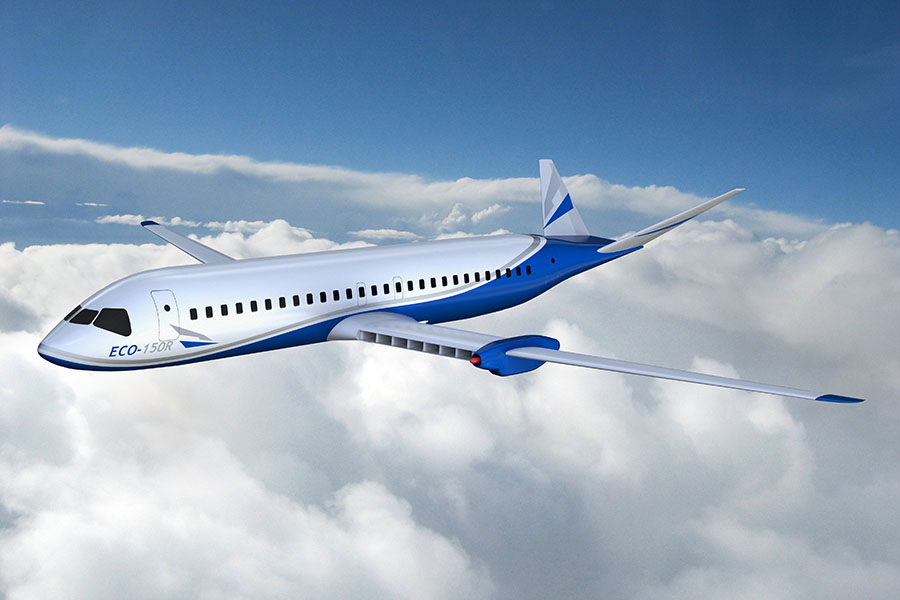
Electricity powers motorcycles, cars and boats, but how about planes? In recent years, research has been dedicated applying such technology to the aviation industry. Even though the price of oil per barrel has dropped lately, we still pay a hefty price for carbon-based fuels, and our planet absorbs ever-increasing levels of pollution.
In 2011, the e-Genius, a two-seater aircraft built by the engineers at the University of Stuttgart, climbed more than 20,000 feet in under two minutes and reached speeds of 142 miles per hour. It flew uninterrupted for 300 miles. The aircraft burned no fuel and has zero emissions, because it was equipped with an all-electric motor powered by a single battery.
Another fantastic component was the cost: during a 62-mile stretch of its historic flight, the plane used about 25 kilowatts of electricity for a total energy cost of just over $3.
NASA has been investing heavily in electric planes, too—the agency has been focusing on designing and building the X-Series, a line of environmentally-friendly airplanes. Test pilots and engineers at NASA’s Armstrong Flight Research Center in Edwards, Calif. are “flying” a simulator designed to mirror exactly the specifications of the X-57 Maxwell, which will be NASA’s first piloted X-plane in two decades. The X-57 will be the first NASA X-plane to feature a fully distributed electric propulsion system, which researchers will use to demonstrate an increase in cruise energy efficiency, as well as reductions in carbon emission and aircraft noise. That is expected in early 2018.
NASA isn’t the only one interested in the Tesla of the skies. Wright Electric, a U.S. startup, announced on their blog the “Wright One,” an electric 150-seater concept that runs on batteries and can handle flights under 300 miles. These short trips make up to 30 percent of all flights and is a whopping $26 billion market. The name, of course, hearkens back to brothers Wilbur and Orville Wright, the first to fly in Kitty Hawk, North Carolina.
Their discussions with airlines seem to have materialized already or are on the road to be materialized as one airline and a high-net-worth-individual expressed interest in the electric aircraft. According to BBC, British low-cost airline EasyJet has expressed interest in the technology.
There are still some stumbling blocks to overcome, and the most important one is the need for rapidly evolving battery technology. Otherwise it will be impossible for the aircraft to cover the 300-mile range. Thus, the company is considering the hybrid option as well, which would still cost less than conventional planes.
The company hopes for consistent upgrades in the battery industry as that would mean significant cost savings. Currently, the one-year old company is working with American inventor Chip Yates, owner of the world’s fastest electric aricraft, the Long-ESA.
In the same group as Wright Electric and NASA is Airbus, which has been cooking up plans for a silent, electric plane since 2014 on a mission to bring a 90-seater to the market in the future.