


 Voyager Suite
 Breeze
 Virtuoso
 Investment Suite
 RentCafe
 CommercialCafe Suite
 Elevate Suite
 Procure to Pay Suite
  Energy Suite
 Aspire
 RightSource
 Care Suite
 Matrix
 WorkCafe
 Yardi Kube Suite
 ScreeningWorks Pro
  Yardi Corom



















Taking over abandoned storefronts and long-shuttered factorie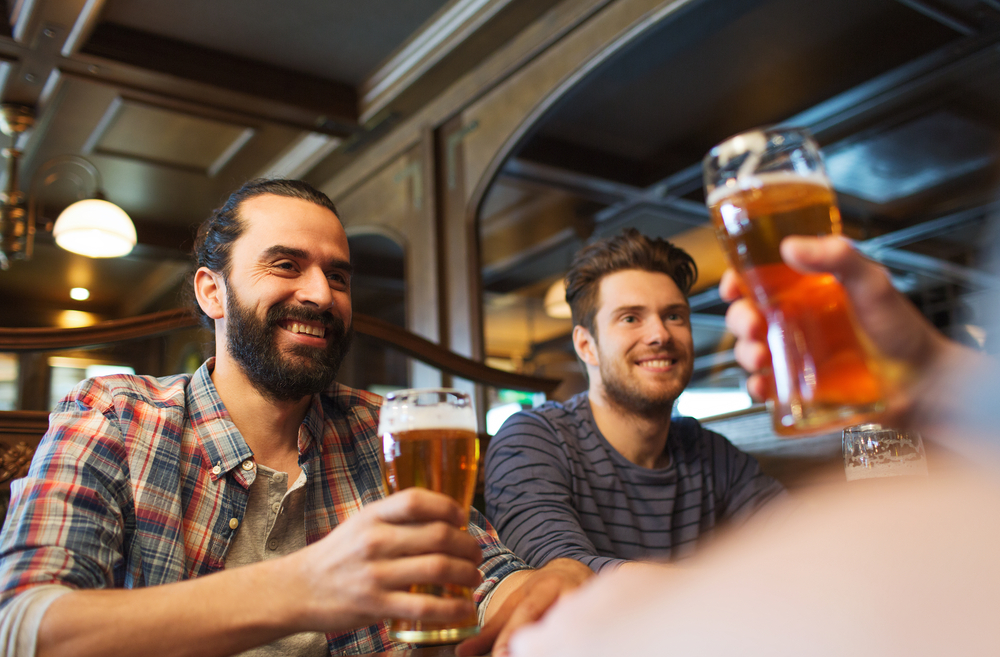 s, breweries are breathing new life into cities across the country.
Job interview, proposals and book clubs represent just a smidgen of activities occurring at your local brewpub. In the last few years, cities across the US have experienced a brewery renaissance. From empty storage units to abandoned storefronts, microbreweries are choosing to open taprooms and brewpubs in economically depressed neighborhoods, bringing in new jobs and creating a sense of community.
“People tell me, ‘It feels like I’m at my best friend’s place,’ ” Jim Jamison, founder of Foggy Noggin Brewing, tells Imbibe magazine. “ There’s even been a proposal, and another guy asked for permission to marry someone’s daughter. It’s a place where people want to meet.”
Pint-Sized Urban Renewal
In a recent article for The Atlantic, writer James Fallows identified “Eleven Signs a City Will Succeed.” Wrapping up a list ranging from community engagement to politics and education, craft breweries came in at number eleven. Calling it “perhaps the most reliable” marker of a city on the rise, Fallon believes having a brewery within city limits provides clear evidence of urban renewal.
“A town that has craft breweries also has a certain kind of entrepreneur, and a critical mass of mainly young (except for me) customers,” he writes.
“You think I’m joking, but just try to find an exception.”
Close Communities
That entrepreneurial spirit does more than invigorate local commerce; many local breweries make a point of giving back to the community. In Philadelphia, for example, Crime and Punishment brewery sponsors Little League team, while over in Dallas, monthly pet adoption events take place at Community Brewing. Detroit’s Batch donates a portion of its taproom sales to charity and Colorado’s Green Flash’s brews a special pink IPA called Treasure Chest, with proceeds earmarked for breast cancer research.
“We didn’t want to be seen as the neighborhood invader,” says Crime and Punishment’s Mike Wambolt, explaining the decision behind funding the local Little League. The brewery partnered with Give and Go Athletics to raise money for uniforms.
“It was cool to give them T-shirts and caps so that they were not just wearing blank shirts,” he admits.
Locals Welcome
As part of a larger national movement towards “buying local,” the brewery business is in the midst of a transformation. In the past, the goal for many brewers was to sell beer far and wide. The addition of over 4,300 breweries has spurred a switch to small batches and regional distribution models.
“With beer drinkers increasingly pledging allegiance to local brews, casting broadly for customer won’t always net profits,” writes Imbibe’s Joshua M. Bernstein. “Instead, today’s smart move is to nurture a native clientele, encouraging taproom visits and neighborly congregation. Turns out, what’s good for the community is also great for the bottom line.”
“Brewery taprooms serve as a singular third place between workplace and home, a convivial land where guards crumble, strangers reveal names, stress vacations, and conversations and beer go round and round. If we judged breweries on that metric alone, they’d be massive triumphs,” Bernstein concludes.
“Breweries could roll up the gate, tap fresh kölsch and call it a day—yet civic duty compels many breweries to go beyond. Brewing good beer is just the first step of doing good.
Jamison adds, “To be part of the community, you have to give back to the community.”