Voyager Suite
 Breeze
 Virtuoso
 Investment Suite
 RentCafe
 CommercialCafe Suite
 Elevate Suite
 Procure to Pay Suite
  Energy Suite
 Aspire
 RightSource
 Care Suite
 Matrix
 WorkCafe
 Yardi Kube Suite
 ScreeningWorks Pro
  Yardi Corom




















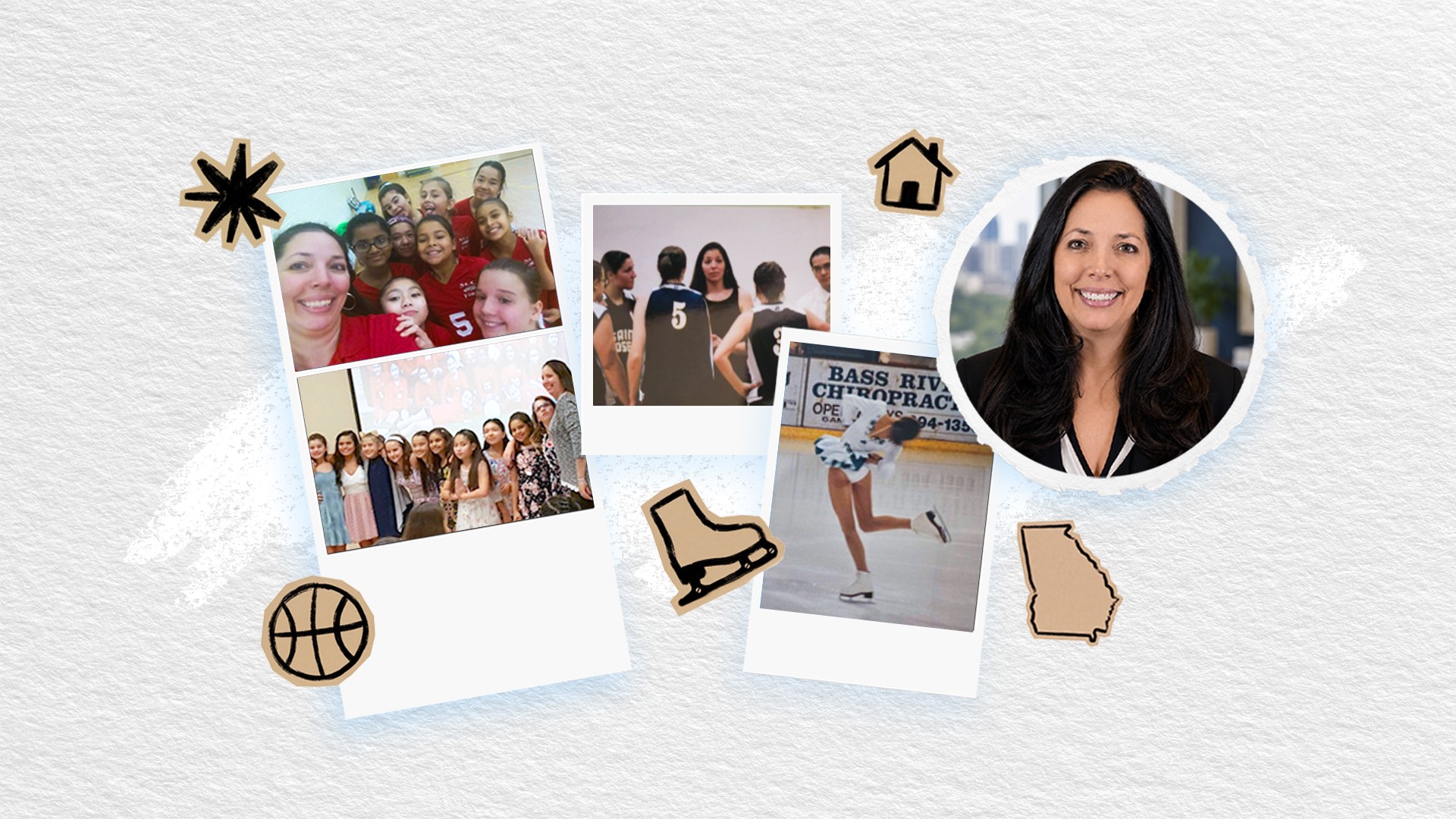
For the latest installment in Voices, a Yardi-sponsored interview series, Senior Housing News spoke with Lisa Conrad, manager of the clinical and compliance team at Yardi. The series features different leaders’ views on trends, topics and issues in the senior living industry. In this case, Lisa’s experience gives her a unique perspective on not only technology changes but the COVID-19 crisis as well.
Lisa’s background is actually in health care, not software. She’s a registered nurse who has worked in several different practice areas, from oncology to sports medicine to long-term care. Before Yardi, She was a director of nursing at a facility that had adopted electronic medical records very early on, which spurred her interest in the technology side of care. That role directly led to her position today at Yardi.
Keep reading to see what Lisa had to share in her interview with SHN:
Generally, how do you apply that clinical background to the technology in your day-to-day work at Yardi?
My role is on the clinical compliance team, which focuses on supporting our implementation and customer service teams. We interact in the background with the various departments, whether it be assisting with a sales demo or working with an account manager on client workflows. We develop and do the quality assurance check on all the clinical software to make sure that it meets federal and state regulations.
We keep up with federal and state requirements to make sure the software is always compliant. The team itself is composed of health care professionals from different specialties. It’s a really unique group in that we have team members from a variety of backgrounds who bring their own specialized skill sets to the projects we work on.
What are the challenges and solutions that you provide when it comes to implementing technology to help with operations? Can you share any best practices?
The best piece of advice I would offer is when any client is looking to either change a process or integrate more technology, it is important to get a clear picture of why they’re making a change. So, what part of the process is either cumbersome, inefficient or just not working so that we have a clear idea of what they’re trying to accomplish. We can then work with them through that change process.
In addition, getting the managers and staff to buy in is critical. There’s nothing flashy about it, but in reality, that’s what you need to do in order to really make lasting change. The successful facilities are the ones that are open to the change and start using the data right away to help them make decisions. They’re right there with the staff, showing them how they’re using the data that the staff is now capturing to move up the adoption curve and really get the benefit out of the software.
When you implement the platform for a community for the first time, where does the light bulb go off for them in terms of what data they’re using to drive decision making?
If it’s a client that’s coming from a paper-based system, which is really inefficient, once they start seeing the data that’s available to them in a usable format, they really begin to see how they can take that data and utilize it to drive change.
Oftentimes in some of the more paper-based or not really well-connected systems, you spend a lot of time trying to put the data together, and you don’t really have a lot of time left to analyze it and pattern it and trend it. It’s really exciting to see clients actually take a look at that data and say, “This has allowed me now to do this, and I didn’t realize how inefficient my old system really was.”
As a director of nursing, even back in the early 2000s, it really hit me in a quality assurance meeting one day. We’d been using the software for almost a year, and all of a sudden it just hit me. I was actually asking questions and analyzing this data in ways that I would’ve never been able to do in the old system. It was really exciting.
Read the entire interview on SHN.