

 Voyager Suite
 Breeze
 Virtuoso
 Investment Suite
 RentCafe
 CommercialCafe Suite
 Elevate Suite
 Procure to Pay Suite
  Energy Suite
 Aspire
 RightSource
 Care Suite
 Matrix
 WorkCafe
 Yardi Kube Suite
 ScreeningWorks Pro
  Yardi Corom



















Most leasing AI thinks a prospect going silent for 72 hours means they’re not interested. Our multifamily marketing experts knew better: They’re comparison shopping.
Simple AI chatbots put prospects who want to break a lease on the back burner. Due to our close contact with the customer support team, we knew prospects who ask about breaking a lease early are often more qualified, not less. And we also knew that the busiest inquiry times need a different tone than morning outreach.
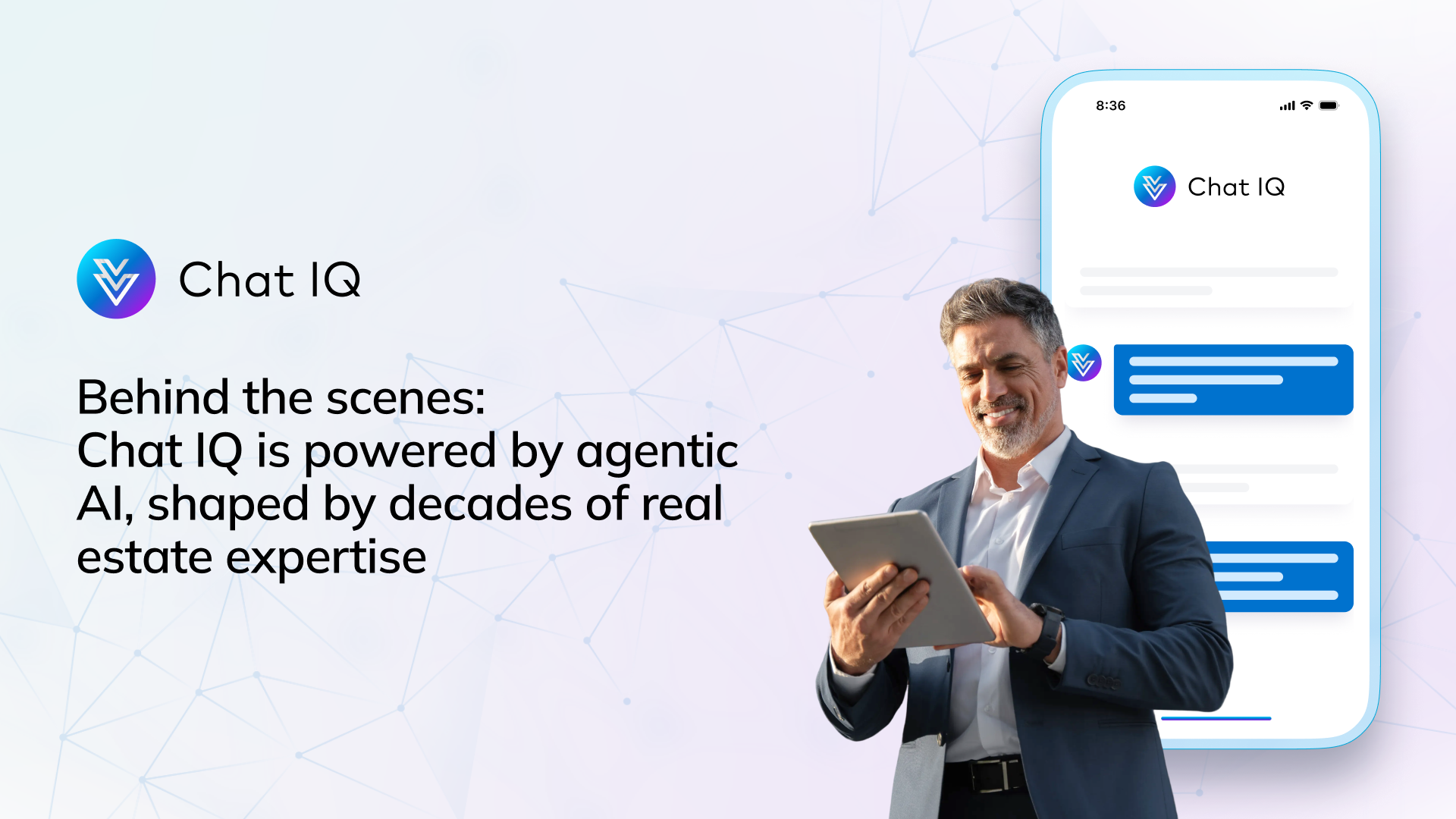
These are just some of the insights that changed how we built Chat IQ‘s new flow and follow-up logic using agentic AI. And these insights came from a collaboration with multifamily marketing experts who are deeply versed in lead conversion. They work hand in hand with customer support teams who bring deep insights into the daily challenges property managers face. Together, their expertise directly informs our product and AI development, shaping increasingly seamless, human-like workflows that power Chat IQ.
Understanding comes from firsthand experience
Taking into consideration all these perspectives is what gives Chat IQ its edge. When property managers wanted faster follow-up cadences, our renter-perspective team pushed back. Renters need breathing room, not aggression. When marketing suggested more promotional messaging, our operations team made the case for less selling and more answering.
The result? An agentic AI that serves the relationship, not just the property.
Speed vs. timing
Plenty of leasing tools can answer questions after hours and schedule tours quickly. Earlier versions of Chat IQ focused on that too. But we realized speed alone wasn’t enough, so we started building a new generation of leasing AI built around conversion, not just response.
During early iterations, our multifamily marketing team realized why answering fast is not the answer: Speed made renters feel like they were talking to a bot. Consistent, speedy answers are a bug, not a feature. Variable response timing comes from a new parameter that helps Chat IQ distinguish between speed and timing.
To do that, we built intent recognition specifically around leasing signals. A couple with a 60-day timeline asking about pet policies gets different attention than someone “just looking.” When a prospect asks, “Is this still available?” in their third message, that’s urgency. When they ask, “What else is available?” the system sees they’re browsing.
Chat IQ knows the difference because our team lived it. We know that speed matters, but timing matters more. So now Chat IQ knows it too. Variable response time is the feature that adds natural variation to the equation, making every interaction with agentic AI feel more human.
Empathy felt impossible, until it wasn’t
And speaking about human-like interactions, empathy mattered most when we realized older versions of automated chatbots completely disregard keywords unrelated to real estate, leading to the stiff, tone-deaf replies that completely alienate prospects.
We taught Chat IQ how to take into consideration all details offered by prospects. That’s why words and sentences like “unexpected hospital stay” and “our plans changed” are no longer just the background noise surrounding the truly important message. They are the message.
Transparency isn’t optional
We know that a reliable AI agent should be able to handle as much of the workflow as possible. But at the same time, agents need to know what happens behind the scenes so that they can make any tweaks they deem necessary and take over when it’s time for the closing steps. That’s why transparency is central to the whole system.
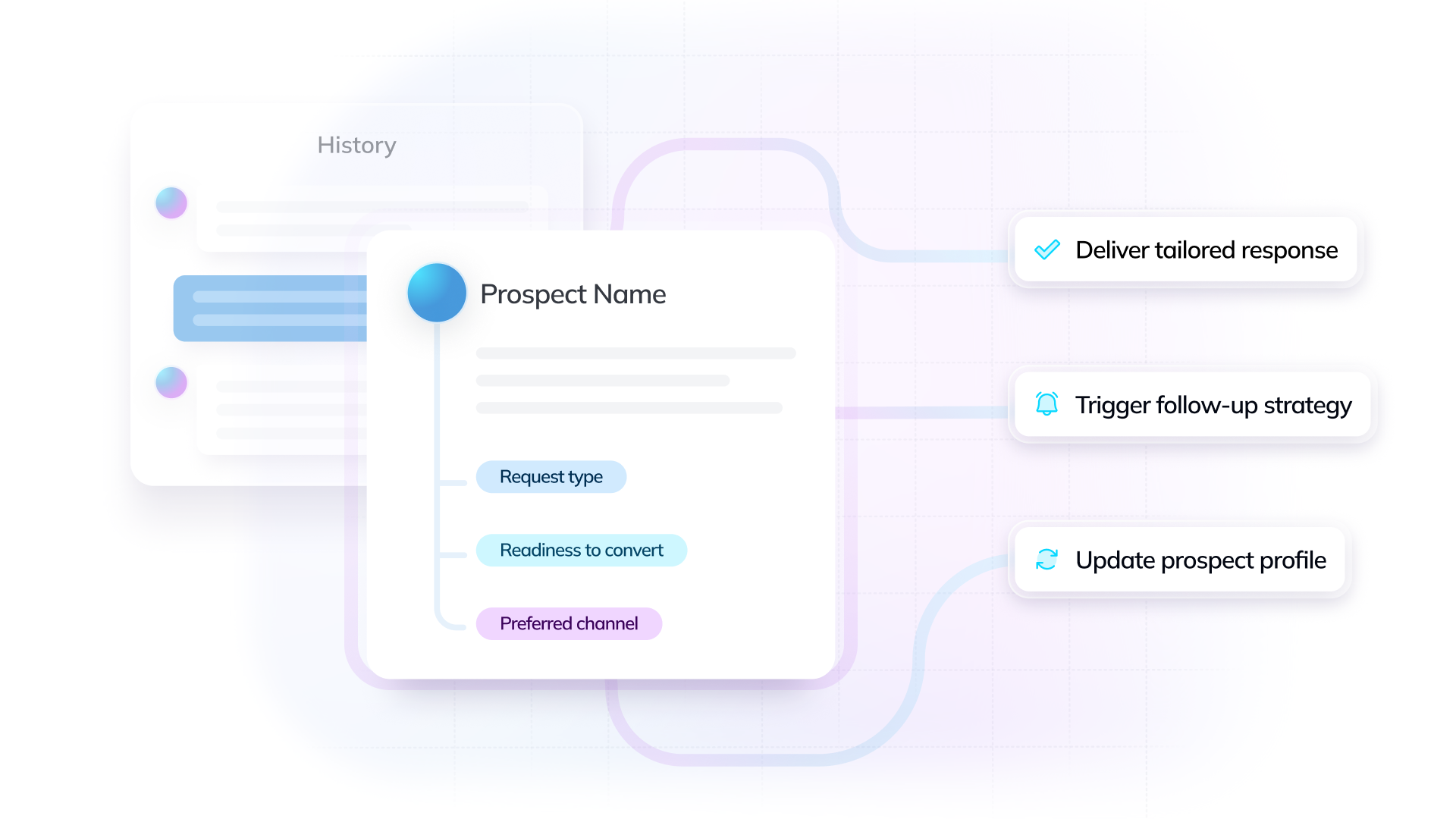
Every interaction across chat, email, text and voice is remembered and applied to the next conversation. Agents see the full history in one place. Nothing gets lost between channels, and nothing has to be explained twice. As a result, teams don’t wonder what the AI is doing. They can see it, understand it and step in with full context when it matters.
Teams see the intent score, the strategy behind each message and the reasoning the AI used to decide what to send and when. This visibility builds trust, accountability and confidence across leasing, marketing and operations.
Routine is dealt with, so your team can focus on trust
For leasing teams, the value of agentic AI isn’t about removing humans from the process. It’s about deploying human expertise where it creates the most value.
Leasing agents’ biggest energy drain are repetitive tasks that take away from the work where human input truly matters. It’s much more effective for an agentic AI to go through oceans of data in seconds and access the whole conversation history, then craft empathic, personalized answers to inquiries about availability, pricing, tour dates and parking spots.
It’s also much more effective for leasing agents to use their expertise to answer questions about the neighborhood vibe, levels of noise, traffic concerns or community initiatives. Now, leasing agents can use their knowledge and rapport to offer all the soft data about the property which, unlike the hard data, cannot be translated into gigabytes.
Chat IQ: Agentic AI built by real estate marketers, for real leasing operations
Chat IQ delivers different results because it was created by a cross-functional team that combines:
- Product development depth (building real estate tech for over 20 years)
- Direct client feedback (CSD teams channeling real property manager challenges)
- Multifamily marketing expertise (understanding what converts prospects)
Want to see what all this leasing experience looks like in AI form? Schedule your Chat IQ demo.
Next in this series: A chatbot is no longer enough: What an AI-first leasing agent does