


 Voyager Suite
 Breeze
 Virtuoso
 Investment Suite
 RentCafe
 CommercialCafe Suite
 Elevate Suite
 Procure to Pay Suite
  Energy Suite
 Aspire
 RightSource
 Care Suite
 Matrix
 Yardi Kube Suite
 ScreeningWorks Pro
  Yardi Corom


















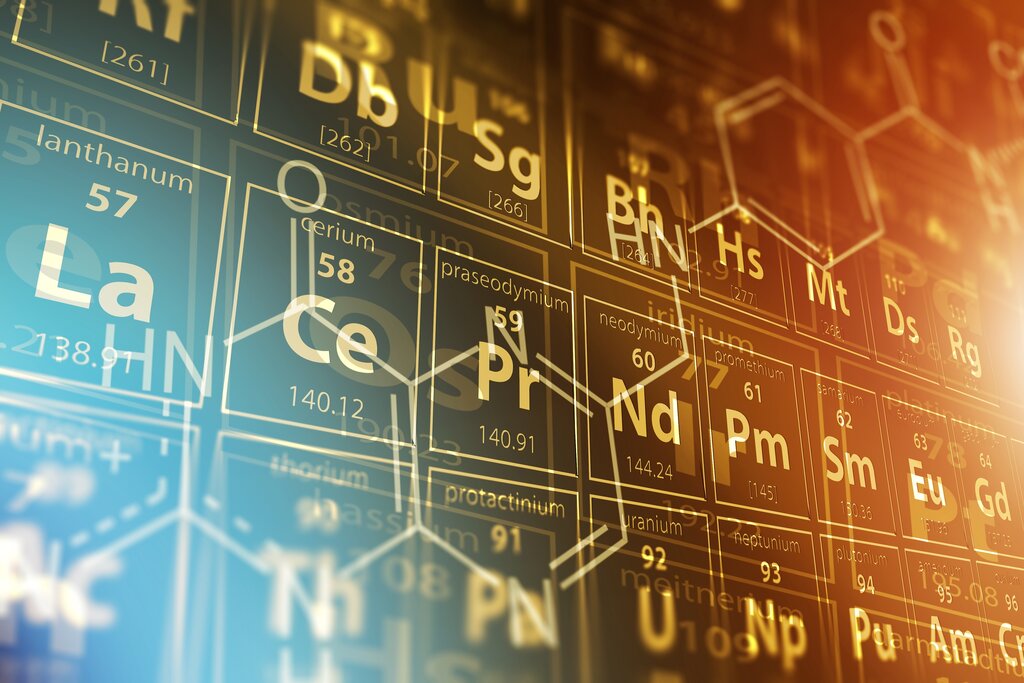
The 17 rare earth element (REE) metals comprise the building blocks of much of the technology we depend on daily. These elements, which aren’t actually rare but are sparsely concentrated in minerals, include the exotically named dysprosium, neodymium, lanthanum, praseodymium and terbium.
Encompassing properties that make devices lighter, faster and smarter, REEs “let smartphones glow and ring and buzz, make fridges cold, lightbulbs bright and TVs vibrant,” in the words of Casper (Wyo.) Star Tribune reporter Nicole Pollack. They’re also present in the screens on smart phones, computers and flat panel TVs, the motors of computer drives, defense systems, hybrid and electric car batteries, new-generation light bulbs and much more.
With greater investments in clean energy, demand for REEs could increase six-fold by 2040, according to the International Energy Agency. An electric car, for example, needs six times the mineral inputs of a conventional vehicle and a wind plant requires nine times more minerals than a gas-fired plant.
A major problem with these elements is that mining, separating and refining them both requires and produces large amounts of toxic materials. Up to 95% of this work is done in China, by some estimates. Harvard International Review reports that for every ton of REEs produced, the mining process yields more than 28 pounds of dust, up to 423,000 cubic feet of waste gas, 2,649 cubic feet of wastewater and 1 ton of radioactive residue.
Recycling, partnerships could ease supply strains
The environmental implications of REE harvesting have prompted experts to seek alternate ways to meet ever-growing demand. Recycling REEs from discarded electronics rather than mining is one option, using new processes that enable extraction with minimal use or creation of pollutants. Harvard researchers are working on extracting REEs using bacteria rather than toxic chemicals, while a Purdue University team looks to recycling coal ash as an alternative to mining.
“Developing a circular economy where minerals used in tech devices are salvaged and repurposed could help us to bypass supply chain issues in the future while also helping to reduce environmental impacts,” says Professor Tom Welton, president of London-based Royal Society of Chemistry. “It is essential that governments and businesses urgently do more to develop a circular economy which can tackle the world’s growing e-waste crisis and alleviate the strain on supply chains.”
Extending the lifespan of electronics through repair and reuse could also lessen the need for new resources, experts say.
And some electric vehicle producers are seeking to reduce rare earth element consumption in their products to become more resistant to market fluctuations. Toyota, for example, stopped using terbium and dysprosium in 2016 and revamped its engine magnets to reduce reliance on other REEs.
On another front, the U.S. Geological Survey entered a joint venture with its counterparts in Australia and Canada to pool data and best practices. Some observers urge tightening trade relations with Australia, the only significant producer of REE ores outside China. Others look to develop environmentally friendly ways to exploit the large REE reserves in those three countries.
“In the long run, incentivizing the use of American REE supplies should be considered, both to reduce dependency on Chinese supplies and to help vitalize the domestic REE market,” say University of Pennsylvania electrical and systems professor Deep Jariwala and student Hyong-Min Kim in a report published by Penn’s Kleinman Center for Energy Policy.
Technology development, economic and environmental priorities – expect REEs to be at the center of debates on all of these areas for the foreseeable future. As Investment Monitor senior editor and emerging market specialist Jason Mitchell notes, “Rare earths are essential to the clean and global technology revolutions that are taking place globally and the West must invest in environmentally friendly ways of processing these vital elements.”