


 Voyager Suite
 Breeze
 Virtuoso
 Investment Suite
 RentCafe Suite
 REACH by RentCafe
 CommercialCafe Suite
 Elevate Suite
 Procure to Pay Suite
  Energy Suite
 Aspire
 RightSource
 Care Suite
 Matrix
 Yardi Kube Suite
 ScreeningWorks Pro
  Yardi Corom

















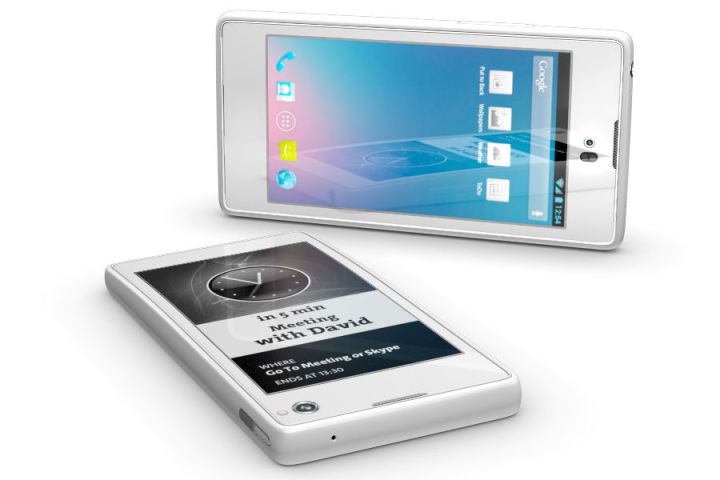
With this new product, CEO Vladislav Martynov is trying to make an entrance and change the smartphone landscape via innovation, something he thinks has been missing from the market recently. Think your iPhone is boring? He agrees.
Fighting back is event in the prototype phone design, which has a unique dual-screen, with one screen on each side of the device.
The front of the phone has the traditional LCD screen and the back has an electronic-paper display (E-Ink) that’s black and white. This combination of screens supposedly offers a longer battery life (+50%) by dividing different information on each of them – the frontal one will allow working with apps, texts and calls, while the E-Ink side is designed for reading news and books, for reminders and calendar appointments, missed calls and other notifications.
The electronic-paper side would be easier to read in sunlight, but would hardly affect the phone’s 2,100 mAh battery.
Martynov believes that the prototype will be a success, commenting: “two years ago we were not so dependent on all the kinds of information we consume now, from Facebook and Twitter to news and other RSS feeds. The smartphone is now a window onto this virtual life, but today there’s a lot of disappointment when you miss information. Our electronic paper display with our applications will remove this irritation.” (BBC)
Early reviews say there are some limitations to the E-Ink screen – it doesn’t accept touch input, relying on a touch-sensitive strip underneath it. The phone will need customized applications to take advantage of the secondary screen. And for those of us who are prone to dropping our phones, two screens may feel like double the risk for disaster in our klutzy butter fingers.
Hardware features include a slightly curved display on one side, made of rounded glass from Corning Inc. that’s designed to encourage users to always point the electronic-paper side up when putting the phone down. Specifications also include a 4.3-inch, 720p LCD display, dual-core 1.5 GHz Snapdragon S4 processor, a 13-megapixel camera, 720p front-facing camera, 2 GB of RAM and available storage of 32 and 64 GB. It weighs 0.31 pounds and measures 0.38 inches at its thickest point and 0.3 at the thinner one.
The YotaPhone (not its final market name) runs on Android software. Estimated cost is around $500, somewhat under the full-price retail for a new iPhone, yet in line with other Android devices.
This is not the first dual-screen phone the world has seen. In 2011, Kyocera was releasing the Kyocera Echo, a device which didn’t make big waves in the industry world. Will the YotaPhone have better luck? Would you find a dual-screened smartphone useful?