Voyager Suite
 Breeze
 Virtuoso
 Investment Suite
 RentCafe
 CommercialCafe Suite
 Elevate Suite
 Procure to Pay Suite
 Energy Suite
 Aspire
 RightSource
 Care Suite
 Matrix
 WorkCafe
 Yardi Kube Suite
 ScreeningWorks Pro
 Yardi Corom


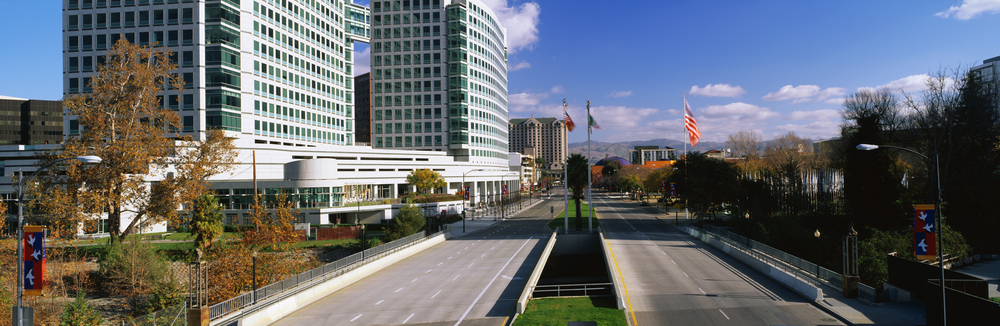
As many developers, investors and brokers are discovering, “technology” is no monolithic industry. The tech sector translates into multiple business specialties and magnets, as dozens of cities stake their claim to the technology boom – with far-reaching impacts on commercial real estate.
Along with its highest-profile component, consumer electronics, the age of technology encompasses companies and real estate requirements ranging from finance and insurance to the automotive sector. This creates opportunities and challenges for real estate stakeholders as they tailor their projects and services to their clients’ needs and anticipate which markets will join the ranks of national high-tech leaders during the next decade.

For now, at least, the top of the heap remains clear-cut. Global giants like Oracle, Google and Facebook continue to make Silicon Valley the go-to location for high technology. Its prominence is symbolized by Apple’s 2.8 million-square-foot headquarters in Cupertino. Already renowned for its spaceship-like ringed design by Foster + Partners, Apple’s new home is scheduled for completion in 2016 at a rumored cost of $5 billion.
Though Silicon Valley retains a largely suburban model for a technology hub, the center of gravity for technology firms of all stripes is migrating to urban settings.
“I think the biggest change I’ve seen is that technology tenants are seeing the benefits of being located in the city, near highly skilled workers,” said Lori Mason Curran, director of real estate investment strategy for Vulcan Inc., developer of Amazon’s campus in Seattle’s South Lake Union neighborhood. Other established hubs—which are generally considered to include San Francisco, Boston and, most recently, New York City—face competition from a variety of contenders.
For example, JLL Inc.’s 2013 ranking of top tech markets finds both expanding activity and strong potential in a strikingly diverse assortment of locations. The roster ranges from Baltimore and Atlanta in the East to Austin and Indianapolis in the Central Region; Salt Lake City and Phoenix in the West; and in the Pacific Region, Portland, San Diego and Los Angeles.
JLL’s 2014 update was still in progress at press time, but several new players earned a mention: Detroit, Denver, Minneapolis-St. Paul and the East Bay of San Francisco were among the markets to watch.
 A common thread among these markets is the presence of a highly educated pool of talent. “At the end of the day, it really comes down to the quality of the labor force in a particular market,” observed Colin Yasukochi, director of research and analytics for CBRE Group Inc.’s Northern California region, adding, “The lifeblood of the technology industry is innovation.” As a rule of thumb, mature and rising technology markets are almost always located within striking range of at least one major university, he noted.
Especially for fledgling companies, a ready source of venture capital is crucial, as well—hence, the migration of some venture capital firms to San Francisco from suburbs like Sandhill and Menlo Park. “That speaks to the recognition that San Francisco is really the desired location for high-tech financiers,” noted Cara Trani, a San Francisco-based vice president for JLL.
Even so, there are some nuances in the ties between venture capital and technology companies. Though each stakeholder still prefers to be physically near the other, today’s communication tools provide some flexibility. “Funders have the ability to be more mobile, because we’re so well connected,” noted Schiada. “It isn’t the end all, be all.”
A less tangible but compelling factor is a vibrant urban lifestyle, with ample opportunity for recreation and cultural amenities. There is a demographic influence, as well, as the professionals pursued by technology companies tend to be in their 20s and 30s.
This article originally appeared in the August edition of Commercial Property Executive. Read the rest of the story here.