Voyager Suite
 Breeze
 Virtuoso
 Investment Suite
 RentCafe Suite
 REACH by RentCafe
 CommercialCafe Suite
 Elevate Suite
 Procure to Pay Suite
  Energy Suite
 Aspire
 RightSource
 Care Suite
 Matrix
 Yardi Kube Suite
 ScreeningWorks Pro
  Yardi Corom

















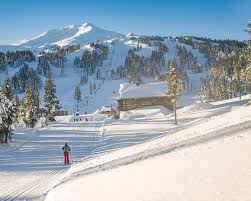
While offering mountains of fun in a winter wonderland, ski resorts also take sustainability seriously.
Almost 200 resorts, more than 75% of the U.S. total, have endorsed “Sustainable Slopes,” the National Ski Areas Assn.’s (NSAA’s) Environmental Charter that incorporates principles for ski area planning, operations and outreach.
As climate change concerns and consumers’ environmental awareness grow, NSAA and other ski resort stakeholders are devising strategies to “help ski resorts transfer the concept of sustainability from one involving a few disparate energy and efficiency projects to a comprehensive a holistic way of doing business, and one that will seriously enhance the long-term prospects of the areas that adopt them,” as described by the ski magazine Powder.
The latest annual report from NSAA, a trade association for alpine resorts, summarizes progress in water conservation, energy efficiency, renewable energy, waste reduction and recycling made by more than 300 ski areas that responded to a survey.
One destination highlighted in the NSAA annual report, Boreal Mountain Resort & Soda Springs in California, has pledged to reduce its 2011 emissions levels by 25% by 2020. Resort managers retired less efficient vehicles, retrofitted night lighting infrastructure and installed solar panels that will generate 325,000 KwH annually. Another resort, Montana’s Bridger Bowl, offers free electric bus service on weekends as an alternative to single-occupant vehicles. And Copper Mountain Ski Resort in Frisco, Colo., installed electric vehicle charging stations, commingled recycling, composting and scrap steel recycling, and completed a building lighting retrofit.
Opportunities for sustainability extend to a ski resort’s sine qua non: snow. An NSAA fact sheet notes that while snowmaking isn’t considered a consumptive act—most of the water diverted from streams for snowmaking returns to the watershed—opportunities abound to execute the process more efficiently: employing efficient snow-guns to increase the volume of snow produced from a given amount of water; installing flow meters to accurately measure water usage; monitoring and repairing leaks; installing monitoring systems to optimize snowmaking systems; using oscillation to reduce the need for grooming machines; and using reclaimed water.
“Customers care about our environmental practices. The environment is our number one asset,” an NSAA official said. Ski destination operators in the U.S. and elsewhere know that if that asset becomes irrevocably damaged, they won’t have anything to sell. As a Swiss ski resort official put it, “This pristine landscape is what we all depend on. It’s what tourists expect to find when they come here.”
Learn more about how the NSAA’s Sustainable Slopes charter promotes sustainability and enhanced environmental performance for ski areas.