

 Voyager Suite
 Breeze
 Virtuoso
 Investment Suite
 RentCafe Suite
 REACH by RentCafe
 CommercialCafe Suite
 Elevate Suite
 Procure to Pay Suite
  Energy Suite
 Aspire
 RightSource
 Care Suite
 Matrix
 Yardi Kube Suite
 ScreeningWorks Pro
  Yardi Corom

















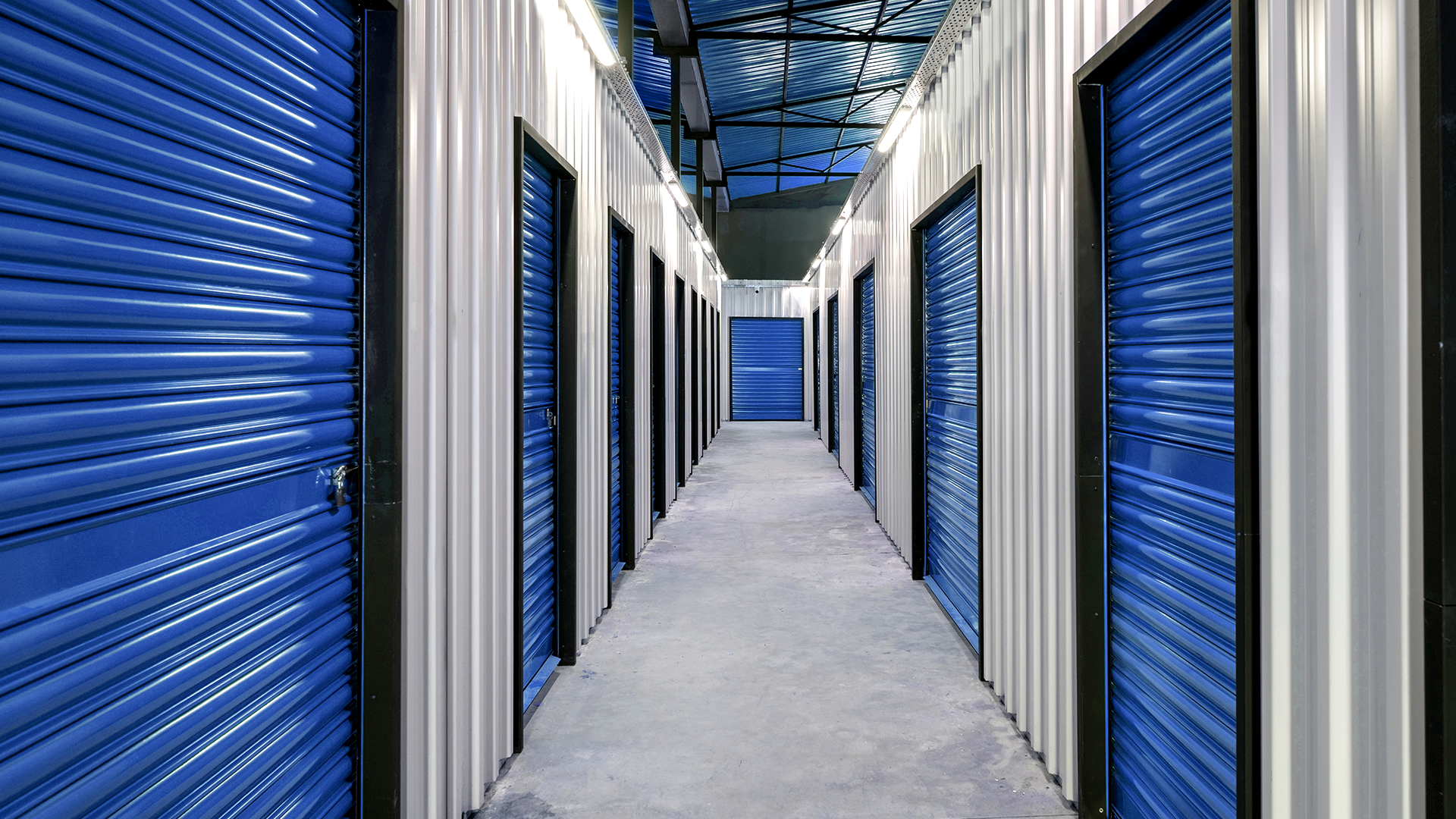
Yardi Matrix leaders Tyson Huebner, director of research, and Jeff Adler, vice president, provided insight with a U.S. self storage spring update. Check out the full webinar when you’re ready. In the meantime, here are some highlights.
Self storage connected to housing
Demand for self storage facilities is closely tied to the housing market, which is currently facing significant affordability and supply challenges.
The housing market’s weakness in 2025 contributed to the decline in self storage occupancy and advertised rent growth. Demand figures to remain weak in 2026.
Supply absorption challenges linger
Many markets remain oversupplied, with several of them struggling to absorb new supply. Most markets have less supply under construction versus a year ago, although a few, notably the Florida metros of Miami and Tampa, have additional units under construction and will continue to underperform.
On a positive note, the decrease in new supply seen in 2025 will continue through 2027 and provide some support for revenue growth.
Slowing population growth hits demand
Self storage is a demographically driven property type. Data from the U.S. Census Bureau shows that population growth dropped to its lowest level since COVID, primarily driven by decreases in international migration and the domestic birth rate reaching its lowest level on record.
That means little support for self-storage demand will arise from population growth or from state-to-state migration, an historically strong driver for self storage demand that is at the lowest level since 2013. The drop in demand has produced significantly lower rents for new self storage properties.
Asking rent projection remains cautious
The last few years have been characterized by asking rents that are flat or declining. Rates now sit only 3-4% above pre-COVID levels. As of January 2026, however, some Yardi Matrix top 30 markets showed some improvement.
Atlanta, for example, went from being one of the worst performing markets at the beginning of 2025 to showing slight growth. Austin, Texas, saw a significant month over month rate increase in January, another sign that supply is starting to be absorbed in some markets and that demand might be picking up.
Yardi Matrix’s guidance for 2026 remains cautious, with revenue growth expected to range from flat to slightly negative and asking rates projected to re-accelerate going into the busier summer months.
Transactions represent a bright spot
Self storage remains a very attractive asset class for investors, offering opportunities for portfolio diversification. Sales in 2025 represented a significant improvement over 2024 and 2023 totals and stood above the long-term average. The transaction market will continue to improve in 2026.
Fundamental strength
While expenses remain a headwind, expense growth is cooling, led by property taxes, the largest expense line item for self storage operators.
“The sector has struggled the past few years, but it has a lot going for it. We should see asking rate growth continue to improve over the next year,” Huebner said.