Voyager Suite
 Breeze
 Virtuoso
 Investment Suite
 RentCafe
 CommercialCafe Suite
 Elevate Suite
 Procure to Pay Suite
 Energy Suite
 Aspire
 RightSource
 Care Suite
 Matrix
 WorkCafe
 Yardi Kube Suite
 ScreeningWorks Pro
 Yardi Corom


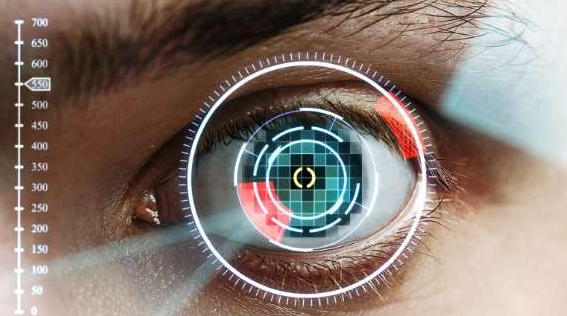
In a world where online banking, social media, e-commerce and other online services are a constant part of daily life, a verified digital identity is an important validation of one’s official existence.
In 2016, an estimated 1.5 billion people globally could not access routine banking services because of the inability to prove their identity with a valid birth certificate, passport, proof of residency or other commonly accepted means. Use of a digital identity is a way of authenticating the “real you” when utilizing digital connections like the internet.
Access via biometrics
With technology’s sprint into the future, various new ID schemes have been launched or initiated all over the world. Some include biometrics, mainly in the form of fingerprints. The newest form of biometric identification is face recognition. One such example is PopID, which offers a cloud-based platform that enables consumers to authenticate their identity by using facial recognition.
PopID’s latest launch is a platform that can unlock workplace doors and enables employees to enter the building using only their face. The system can also provide building and facility managers with alerts about tailgaters following authorized users into a secure location without installing any additional equipment.
Unlocking doors has moved from old-fashioned keys to magnetic key cards or mobile devices, and now face recognition looms as the next normal.
Tech savvy building managers can replace key card readers with facial readers. If employees don’t want to use biometrics to authenticate, this program also accepts key cards and mobile devices to unlock the doors. Additionally, building managers can designate authorized employees and hours in which you can enter the property.
Secure digital identification
Digital driver’s licenses are a secure version of your official government ID in your smartphone. There is a new project known as mobile driver’s license that gathered momentum in countries including the U.S., U.K., Australia and the Netherlands.
For two years, pilot studies have been launched in several states in the U.S. to explore the technical feasibility of a digital driver’s license, which are set to retain the key visual aspects of a physical driver’s license, displaying the driver’s personal information: name, address and date of birth, as well as a photo.
It’s almost impossible to imagine a future of digital identity with identity custodians that maintain a verified connection between your physical and digital self. Such a service will ensure that no data is used without consent, monitor for possible fraud or impersonation and provide user support in case of a lost key. Someday in the not-so distant future, proving identity will likely be ubiquitously replaced not with random security questions, but with a retina scan.