

 Voyager Suite
 Breeze
 Virtuoso
 Investment Suite
 RentCafe
 CommercialCafe Suite
 Elevate Suite
 Procure to Pay Suite
  Energy Suite
 Aspire
 RightSource
 Care Suite
 Matrix
 WorkCafe
 Yardi Kube Suite
 ScreeningWorks Pro
  Yardi Corom




















According to INREV, more real estate investors are looking to allocate capital to European value-add strategies in 2020 than to core.
As a notable sidebar to that finding, opportunistic investing is more apparent than at any time since the 2008 global financial crisis for those investors with a greater risk appetite. Many European investment firms are keen to attract the increased allocations reaped by Asia Pacific investors, especially those in Singapore, South Korea and Hong Kong but also China, Taiwan, Malaysia and Japan. Key factors driving this trend to invest in Europe include economic and geopolitical stability, low interest rates, desire for diversification and yield, currency trends and reliable legal environments.
Europe has been the beneficiary, but many Asian investors also have a longer and more conservative investment approach with a renewed focus on core office, logistics assets and student accommodation investments in key gateway cities in the U.K., Germany and France.
Many investment management firms that traditionally focused on European value-add and opportunistic strategies are also attracting capital with longer term core and core+ fund investment strategies. This turn of events is driving firms to embrace new technology as a step toward facilitating their asset strategy and decision-making process.
Collaboration between all internal and external parties involved in the asset lifecycle becomes more critical than ever to facilitate informed decision-making, due to the longer-term nature of the strategy Essential elements to promoting that collaboration include:
- Full insight into the deal pipeline and portfolio value obtained from relevant comparisons with MLA’s and existing leases.
- Availability and transparency of current operational and financial data, which comprises the foundation of a comprehensive business plan.
- Asset managers’ ability to improve cost control, reduce risk and keep projects on track with complete budget oversight, accurate forecasts, and management of contracts, commitments and cash flows.
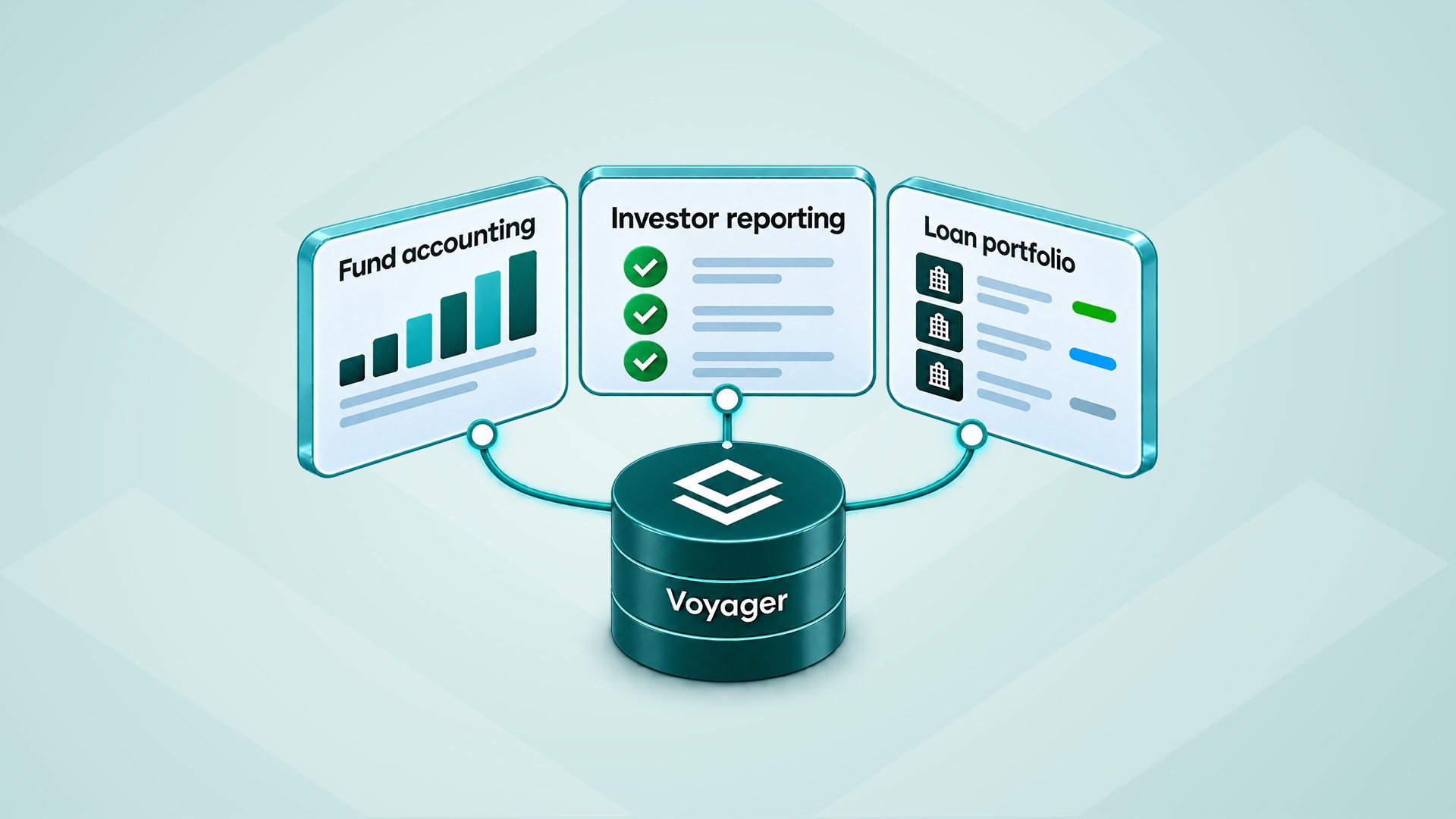
Technology platforms that encompass the full investment management lifecycle are already helping many firms — including those working with outsourced parties, operating partners and fund administrators — drive stronger revenues while giving them instant access and full transparency into their data.
Such systems have revolutionised how asset/portfolio/fund management, development and finance teams gain insight into risk, exposures and tasks during the leasing, forecasting, budgeting and development processes. As fully integrated systems, they enable superior collaboration among internal and external teams and maximise efficiency by automating business processes.
Undertaking a new investment strategy can be attractive yet unsettling. Advanced real estate asset management technology can help chart a way forward that minimises risk and maximises opportunities for success.
Learn how Yardi solutions promote success for real estate asset managers in Europe and Asia.