


 Voyager Suite
 Breeze
 Virtuoso
 Investment Suite
 RentCafe Suite
 REACH by RentCafe
 CommercialCafe Suite
 Elevate Suite
 Procure to Pay Suite
  Energy Suite
 Aspire
 RightSource
 Care Suite
 Matrix
 Yardi Kube Suite
 ScreeningWorks Pro
  Yardi Corom

















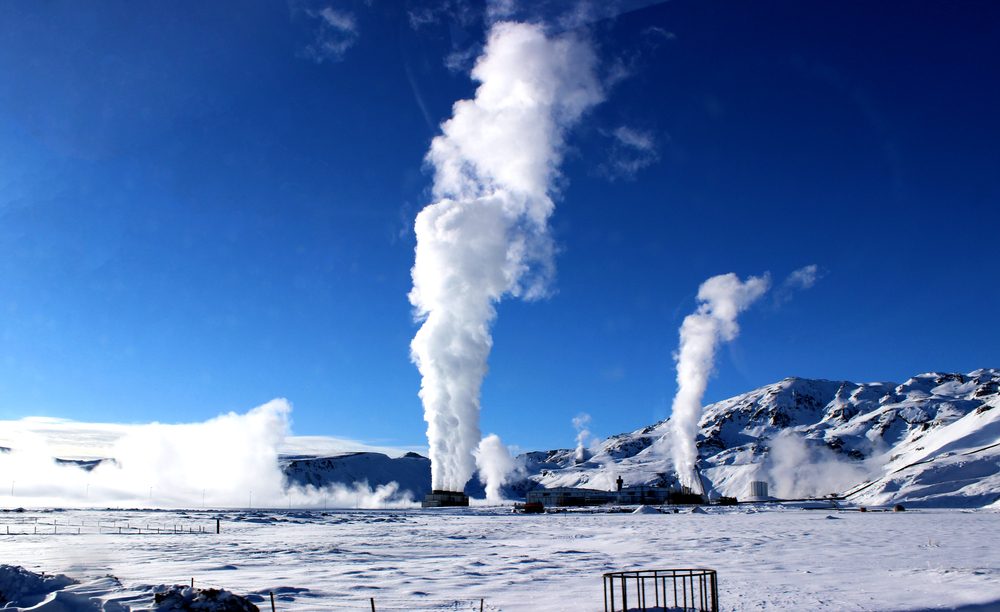
Look up and there’s the sun, whose rays can be captured and converted into electricity. Peer down and see fossil fuels, the engine for much of the world’s economy. You need to burrow even further to find another key source of energy, one that’s driven by the molten essence of the Earth.
Geothermal energy originates from the heat at the planet’s center. It can be captured as a source of electricity to heat and cool buildings with geothermal heat pumps, which transfer heat to buildings by pumping water or a special fluid through pipes just below the Earth’s surface. Geothermal energy can also generate electricity through geothermal power plants using wells drilled 1 to 2 miles deep into the Earth to pump steam or hot water to the surface.
Tapping the Earth’s internal heat dates back thousands of years, with Roman, Chinese and Native American cultures using hot mineral springs for bathing, cooking and eating. The first geothermal plant, built in Italy in 1904, used steam to turn a turbine that powered five light bulbs.
Today, more than 20 countries generate geothermal energy, according to National Geographic. Iceland and the Philippines meet nearly one-third of their electricity demand with geothermal energy, while18 power plants at the Geysers Geothermal Complex north of San Francisco comprise the world’s largest geothermal installation. The U.S., the global leader for installed geothermal capacity, provides more than 3.7 gigawatts to the national grid, according to the U.S Department of Energy.
Although geothermal offers an environmentally friendly, renewable, reliable and stable energy source with the smallest land footprint of any major power source, it does have its drawbacks. These include the risk of releasing greenhouse gases that tend to congregate near geothermal power plants, power plants’ effect on fragile land stability, high up-front costs for residential geothermal systems and the remote locations of many geothermal reservoirs.
Whether geothermal budges beyond the 1% of the worldwide power demand and 3% of the heat demand it now generates remains to be seen. DOE, eyeing more than 100GW of geothermal potential, bets it will, funding research and development and encouraging public and private sector adoption of geothermal technologies. In February, Congress reinstated a tax credit for installing residential geothermal systems. Some states also offer incentives. DOE’s Office of Energy Efficiency and Renewable Energy believes that advanced technologies geothermal could eventually meet more than 10% of U.S. electricity demand and extend new heating and cooling capabilities to hotels, office buildings, hospital complexes and other large energy-users.
High-profile developments in 2018 included the launch of a geothermal heating and cooling system in New York City’s 138-year-old St. Patrick’s Cathedral that includes groundwater-collecting wells as deep as 2,200 feet. Drilling at the United Kingdom’s first deep geothermal electricity plant, designed to power 3,000 homes, began in November. DOE continued to dole out a steady stream of grants for creating new tools and technologies.
As the decade closes out, stay turned to an industry with virtually unlimited raw resources but whose future “may well depend on how well geothermal technology can drive down the costs of capacity,” according to a World Energy Council report in 2016.
Read geothermal energy facts and more articles about sustainability: