


 Voyager Suite
 Breeze
 Virtuoso
 Investment Suite
 RentCafe Suite
 REACH by RentCafe
 CommercialCafe Suite
 Elevate Suite
 Procure to Pay Suite
  Energy Suite
 Aspire
 RightSource
 Care Suite
 Matrix
 Yardi Kube Suite
 ScreeningWorks Pro
  Yardi Corom

















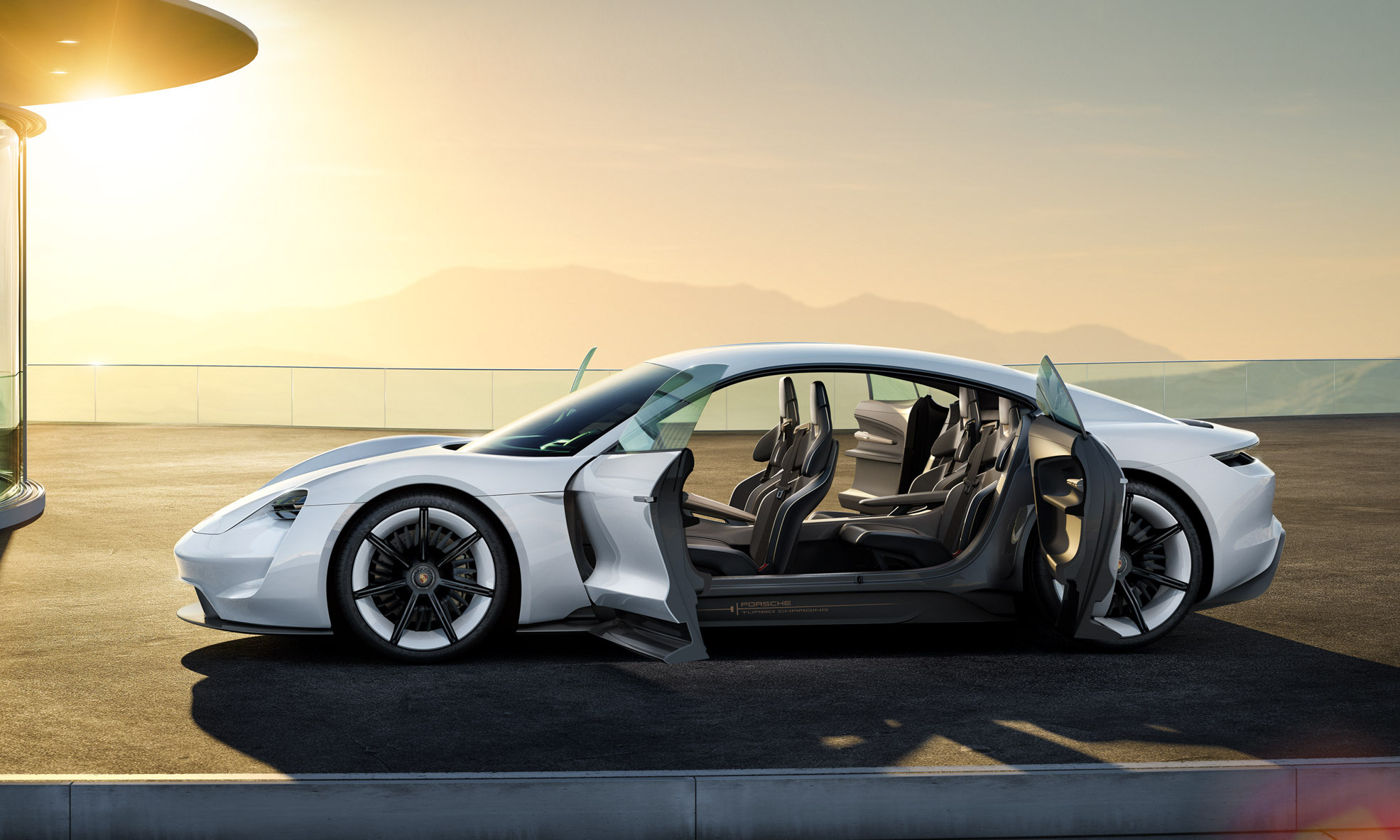
Sports cars are beginning a new historical chapter with amazing Porsc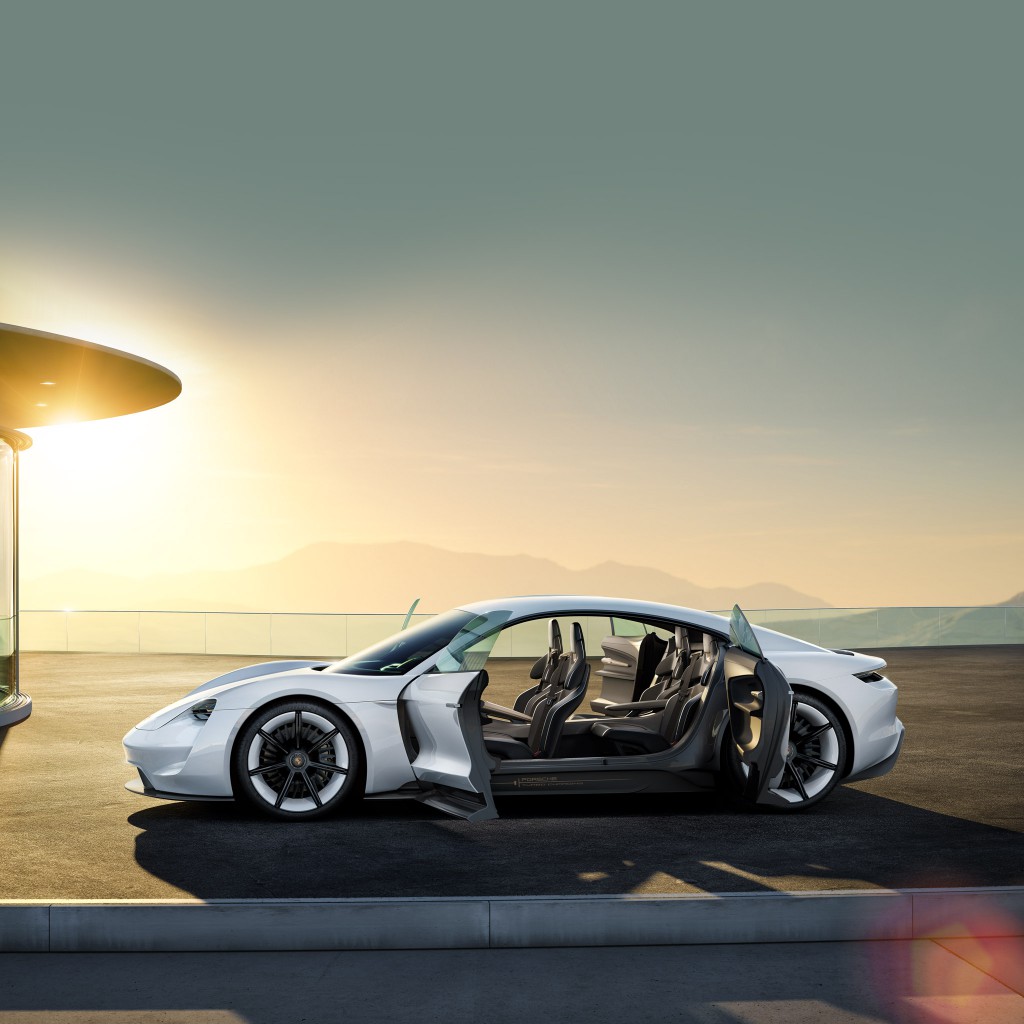 he focused on delivering their first 100 percent electrically powered car by the end of the decade. Many insist that the all-electric sedan is out for Tesla blood, and what’s clear is that the future of the sports car looks electrifying.
It’s a big thing, the Mission E project; in Stuttgart-Zuffenhausen alone more that 1,000 new jobs are being created and the company announced it will be investing around 700 million euros in its main site there. Over the next few years, the company will build a new paint shop and a new assembly plant. The existing engine factory will also be expanded for the production of electric motors and the existing body shop is being enlarged.
Porsche originally revealed the Mission E as a concept car at the International Motor Show in Frankfurt last September. At the time, the company revealed that it would have a range of 300 miles and include a number of innovative technologies.
The high-tech features that will be included in the production model have not yet been revealed, but the Mission E concept that was presented last year kind of gives us an idea of what to expect in the final product.
The four-door car with four individual seats has a system power of over 600 horsepower (440kW), which enables the vehicle to achieve acceleration of 0 to 62 miles per hour in just 3.5 seconds, behind Tesla’s Model S which can go from zero to 60 in 2.8 seconds with a Ludicrous Mode upgrade—the name represents an upgraded battery pack, from 85 to 90 kWh, which Tesla says is good for an extra 15 miles of range.
Mission E is completely powered by advanced lithium-ion battery technology. The underbody battery of the car extends the full-length of the car so that the weight is distributed equally. Charged via an 800-volt charger unit specially developed for the car, twice as powerful as today’s quick-charge systems, the lithium-ion batteries integrated within the vehicle’s floor have enough power again for 80 percent of the range (250 miles or 400 km) after only 15 minutes. The car can optionally be ‘refueled’ wirelessly by induction via a coil set into the garage floor—basically a user simply drives over the charging base plate and automatically the battery begins repower. With a full charge, it can drive for up to 310 miles—Tesla’s Model S with an 85 kWh battery has a range of 270 miles per charge (435 km).
“With Mission E, we are making a clear statement about the future of the brand. Even in a greatly changing motoring world, Porsche will maintain its front-row position with this fascinating sports car,” said back then Dr. Wolfgang Porsche, chairman of the supervisory board of Porsche AG.
A cool feature comes from the exterior mirrors or, better said, the lack of them. The Mission E is equipped with virtual exterior mirrors; their images are reflected in the lower windshield corners so that the driver has a better view of the images, as well as the surrounding area. Additionally, the company says, augmented safety information can be actively displayed here. Another major design upgrade lies in the counter-opening doors which not only provide an unimpaired view of a monocoque-like structure, but also allow easy entry.
The all-electric drive concept altered Porsche’s interior design principles the company had since the birth of the 356 in 1948: lightness, openness, purism, clear architecture, driver-orientation and day-to-day usability. The all-electric drive concept opened a set of opportunities that Porsche saw immediately, such as the absence of a transmission tunnel—it opens up cabin space and imparts a lighter, more generously proportioned ambient feeling. The four individual seats, inspired by bucket-type racing seats save weight and give all passengers the appropriate lateral support to match the driving dynamics of the car.
Mission E combines the best of two worlds: the filigree driver’s display is curved, inclined, detached and freely programmable, and its cluster features five round instruments—Porsche Connect, Performance, Drive, Energy and Sport Chrono—virtually displayed in OLED technology. The display is quite dynamic as it follows the sitting position and posture of the driver—as they move their position, the 3D representation of the instruments responds by moving with them. Furthermore, menu navigation is controlled by built-in eye-tracking technology—the system detects the considered instrument by camera and the driver activated the instrument menu on the steering wheel by pressing a button. All it takes to select a different round instrument is another glance at the display.
With all of these said, and with four years to go before Porsche releases the Mission E, the question is whether this amazing electric car will still be as special by then as it is being described now, or if Tesla Motors and other car manufacturers will have already reached greater heights with their electric vehicle technology.