Voyager Suite
 Breeze
 Virtuoso
 Investment Suite
 RentCafe
 CommercialCafe Suite
 Elevate Suite
 Procure to Pay Suite
  Energy Suite
 Aspire
 RightSource
 Care Suite
 Matrix
 WorkCafe
 Yardi Kube Suite
 ScreeningWorks Pro
  Yardi Corom


Houston’s multifamily sector has certainly faced its share of challenges over the past few years. In 2017, Hurricane Harvey rendered between 7 and 11 percent of the metro’s units uninhabitable. Further, significant fluctuations in oil prices have also affected the city’s real estate market. Year-over-year rent growth, as of March, came in at a tepid 0.6 percent, while occupancy rates declined to 92.4 percent, according to a recent Yardi Matrix national multifamily report.
But many investors are finding innovative ways to ensure returns on their investments. Some 14,000 units are under construction across the metro, the vast majority as part of luxury developments. Significant capital deployment is also underway in the realm of value-add acquisitions.
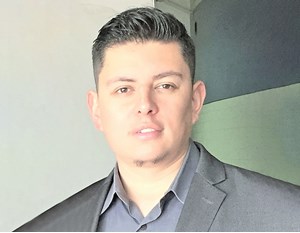
Yardi client Sanmore Investments, a multifamily developer and redeveloper based in Houston, has been involved in the market’s value-add arena for more than five years, acquiring and rehabilitating several properties in the metro. Owner Boris Sanchez discusses recent trends in Houston’s multifamily sector and how investors can make their value-add acquisitions shine.
How would you describe the overall appetite for redeveloped multifamily properties in the Houston metro?
Sanchez: At Sanmore, we have personally seen the demand for our turnkey properties increase to an all-time high. However, in the last six months, that demand has been met and exceeded by the demand for value-add properties. As other areas of the country tighten, Houston’s higher cap rates and landlord-friendly laws have become more and more attractive to investors. In addition, we have seen a record number of residential investors turn to commercial for more opportunities, stronger economies of scale and less hands-on management. This is all coupled with Houston’s strong economic growth and growing population, creating a red-hot multifamily arena in Houston.
Considering the metro’s slow overall rent growth this year, how can investors best maximize their returns?
Sanchez: I believe slow rent growth is a tail-end effect of the recently seen oil bust and Hurricane Harvey. Further, I believe this positions Houston at an advantage compared to other big cities experiencing record-high rents. When the next nationwide economic slowdown happens, Houston will be better prepared to tackle underemployment as rents will be more affordable and employment opportunities more abundant than comparably sized cities, which would be combating vacancy with rent rate rollbacks and development slowdowns or stoppages. If Houston investors maintain a clear, viable path towards income stabilization and don’t overbuild, I believe they are in for a prosperous and healthy investment experience.
Given declining occupancy rates in Houston, how can a redevelopment best compete with a newly developed community?
Sanchez: These are two completely different investments in my opinion, as one is creating equity from an already-existing property and another is creating a long-term cash flow vehicle for its investors, so it largely depends on the end goal. Further, as builders and rehabbers ourselves, we have always seen slower occupancy in brand-new developments than in rehabbed properties, so that should be kept in mind. Investors looking for a redevelopment play should focus on value—bringing tenants great amenities and services for an affordable rent—as opposed to multiple-month concessions and luxury-styled pools. In any event, Houston apartment occupancy is already bouncing back on an all-class average so we should be seeing increased absorption this year.